

Potential Shifts in Consumer Preferences Towards Second-Hand Wood Furniture
Environmental issues are increasingly affecting our daily lives due to global warming, which impacts our consumption habits and purchase decisions. Sustainability is predicted to become more important when making purchase decisions as environmental concerns worldwide grow. Laroche et al. (2001) studied the profiles of consumers willing to pay more for environmentally friendly products. They wrote about how consumers are becoming increasingly environmentally conscious and considering environmental issues when purchasing. There is a growing interest in alternative channels for consumption, such as second-hand stores, driven by the critique of conventional retailers (Guiot & Roux, 2010).
In 2018, the estimated global market size of furniture products was USD 575 billion, with an estimated compound average growth rate of around 5% (Pulidindi & Pandey, 2018). Currently, Americans throw away over 12 million tons of furniture annually in the US - six times more than in the 1960s (Cummins, 2020). In the EU, the annual furniture waste is almost 11 million tons, with most of it going to landfills and only around 10% of it being recycled. The recycled items are often recycled by commercial secondhand shops, social enterprises, or online exchange platforms such as eBay or Facebook Marketplace (European Environmental Bureau. 2017). According to Rahman et al. (2020), an estimation shows that Malaysia would generate more than 25,000 tons of household waste per day as urbanisation and the population increase rapidly.
The future potential of the second-hand furniture industry in Malaysia depends on various factors and trends. Vivika Vikari (2021) revealed that six consumer segments with differing preferences for second-hand furniture through Latent Class Analysis are found in her study, in which the “condition” segment becomes the first item, followed by “quality”, “story”, “sustainability”, “uniqueness” and “price”.
In 2018, the estimated global market size of furniture products was USD 575 billion, with an estimated compound average growth rate of around 5% (Pulidindi & Pandey, 2018). Currently, Americans throw away over 12 million tons of furniture annually in the US - six times more than in the 1960s (Cummins, 2020). In the EU, the annual furniture waste is almost 11 million tons, with most of it going to landfills and only around 10% of it being recycled. The recycled items are often recycled by commercial secondhand shops, social enterprises, or online exchange platforms such as eBay or Facebook Marketplace (European Environmental Bureau. 2017). According to Rahman et al. (2020), an estimation shows that Malaysia would generate more than 25,000 tons of household waste per day as urbanisation and the population increase rapidly.
The future potential of the second-hand furniture industry in Malaysia depends on various factors and trends. Vivika Vikari (2021) revealed that six consumer segments with differing preferences for second-hand furniture through Latent Class Analysis are found in her study, in which the “condition” segment becomes the first item, followed by “quality”, “story”, “sustainability”, “uniqueness” and “price”.
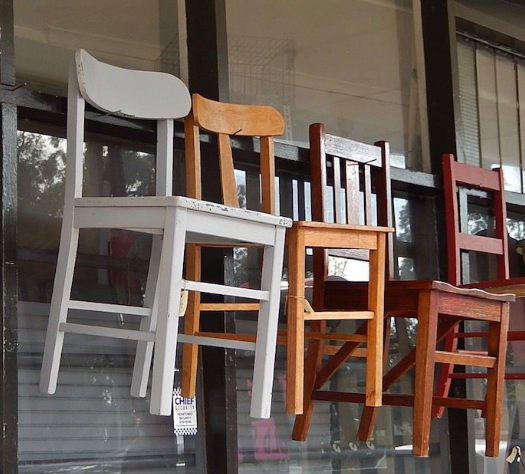
Among factors that could contribute to second-hand growth and brightness included:
a. Sustainability Awareness: As environmental concerns, both globally and in Malaysia, continue to rise, an increasing amount of attention is being paid to sustainability and waste reduction. Purchasing used furniture is more environmentally friendly than buying new because it prolongs furniture life and lowers the need for new resources. The growing sustainability movement may soon encourage more people to purchase used furniture.
b. Economic Factors: Economic conditions, such as fluctuations in income levels, employment rates, and housing affordability, can influence consumer spending habits. During periods of economic uncertainty or when disposable incomes are constrained, consumers may opt for second-hand furniture as a more affordable option. Therefore, the industry's brightness could be influenced by broader economic trends.
c. Rising Urbanization and Housing Trends: More people are relocating to cities and other urban regions in Malaysia at a rapid rate of urbanisation. This tendency frequently results in reduced living areas and a focus on affordability. The growing sector might benefit from the appeal of second-hand furniture to urbanites looking for space-saving and reasonably priced solutions for their homes.
d. Online Marketplaces and Digitalization: The way individuals purchase and sell used products has changed due to the rise of online marketplaces and e-commerce platforms. Due to the rising number of people using smartphones and the internet in Malaysia, buying and selling second-hand furniture can now be done easily and conveniently through online platforms. The internet market for used furniture could increase significantly as digitalisation spreads, improving the industry's visibility.
e. Creative Marketing and Branding: Companies in the second-hand furniture market can attract customers using innovative branding and marketing techniques. Compelling narratives and content can pique consumer attention by emphasizing second-hand furniture's distinctiveness, value, and affordability. Furthermore, partnerships with influencers, interior designers, or home décor companies may help make used furniture in Malaysia more visible and appealing.
f. Regulatory Support and Standards policies and regulations related to waste management, recycling, and sustainability could also impact the second-hand furniture industry. Supportive policies that promote the circular economy and encourage sustainable practices could create a conducive environment for the sector to thrive.
The circular economy is a production and consumption framework that promotes the reuse, refurbishment, and recycling of existing resources and goods, thus extending the product life cycle as long as possible (European Parliament, 2015). When a product approaches the end of its life, its materials are recycled wherever possible to produce new goods and value (European Parliament, 2015). It eliminates waste and pollution and circulates products by reusing certain commodities as inputs to extend their lifespan (Wiesmeth, 2021).
It is time for Malaysia to revert to structural changes in its industries, as proposed by the circular economy model, which presents us with practices of reusing resources and refurbishing existing products. This would fulfil Malaysia's commitment in the 2015 Paris Agreement to lower its greenhouse gas emission intensity and the 2050 carbon neutrality goal of the 12th Malaysia Plan (Leong, Platts, and Woo, 2022).
Overall, the brightness of the second-hand furniture industry in Malaysia shortly will depend on how these various factors evolve and interact. By addressing sustainability concerns, tapping into digital opportunities, and catering to changing consumer preferences, the industry has the potential to shine brightly in the Malaysian market.
References :
Rahman, N.I.A.; Khoiry, M.A.; Rahim, S.; Basri, N.E.A. 2020. Review on Current Municipal Solid Waste Management in Malaysia. Int. J. Disaster Recover. Bus. Contin. 2020, 11, 2230–2242.
Cummins, E. (2020) “Fast Furniture Is an Environmental Fiasco”, The New Republic
(Online). Available at https://newrepublic.com/article/156208/fast-furniture-environmental-fiasco [Accessed 24.9.2020)
European Environmental Bureau. 2017. Circular Economy in the furniture sector. https://eeb.org/wp-content/uploads/2019/05/Report-on-the-Circular-Economy-in-the-Furniture-Sector.pdf. September, 2017. Belgium.
European Parliament.2023. Circular Economy: Definition, Importance and Benefits. https://www.europarl.europa.eu/pdfs/news/expert/2023/5/story/20151201STO05603/20151201STO05603_en.pdf.
Guiot, D. & Roux, D. (2010) "A second-hand shoppers’ motivation scale: antecedents,
consequences, and implications for retailers", Journal of Retailing, Vol. 86, No. 4, pp. 355-371.
Laroche, M., Bergeron, J., & Barbaro-Forleo, G. (2001) "Targeting consumers who are
willing to pay more for environmentally friendly products", The Journal of Consumer Marketing,Vol. 18, Iss. 6, pp. 503-518.
Leong, Y. Y., Platts, M. J. and Woo, W. T. (2021) Viewing the 12th Malaysia Plan through the lens of decarbonisation, The Edge Markets. Available at: https://www.theedgemarkets.com/article/my-say-viewing-12th-malaysia-plan through-lens-decarbonisation?type=opinion (Accessed: December 21, 2022).
Pulidindi, K. & Pandey, H. (2018) “Furniture Market Size By Material. Industry Analysis Report, RegionalOutlook, Growth Potential, Price Trends, Competitive Market Share & Forecast, 2019 – 2026”,Global Market Insights (Online). Available at gminsights.com/industry-analysis/furniture-market [Accessed 24.9.2020].
Vivika Viikari, 2021. Consumer Preferences for Secondhand Furniture. Master Thesis. Aalto University School of Business Information and Service Management.
Wiesmeth, Hans. (2021). The circular economy - Understanding the concept. 10.1016/B978-0-12-821798-6.00002-8
a. Sustainability Awareness: As environmental concerns, both globally and in Malaysia, continue to rise, an increasing amount of attention is being paid to sustainability and waste reduction. Purchasing used furniture is more environmentally friendly than buying new because it prolongs furniture life and lowers the need for new resources. The growing sustainability movement may soon encourage more people to purchase used furniture.
b. Economic Factors: Economic conditions, such as fluctuations in income levels, employment rates, and housing affordability, can influence consumer spending habits. During periods of economic uncertainty or when disposable incomes are constrained, consumers may opt for second-hand furniture as a more affordable option. Therefore, the industry's brightness could be influenced by broader economic trends.
c. Rising Urbanization and Housing Trends: More people are relocating to cities and other urban regions in Malaysia at a rapid rate of urbanisation. This tendency frequently results in reduced living areas and a focus on affordability. The growing sector might benefit from the appeal of second-hand furniture to urbanites looking for space-saving and reasonably priced solutions for their homes.
d. Online Marketplaces and Digitalization: The way individuals purchase and sell used products has changed due to the rise of online marketplaces and e-commerce platforms. Due to the rising number of people using smartphones and the internet in Malaysia, buying and selling second-hand furniture can now be done easily and conveniently through online platforms. The internet market for used furniture could increase significantly as digitalisation spreads, improving the industry's visibility.
e. Creative Marketing and Branding: Companies in the second-hand furniture market can attract customers using innovative branding and marketing techniques. Compelling narratives and content can pique consumer attention by emphasizing second-hand furniture's distinctiveness, value, and affordability. Furthermore, partnerships with influencers, interior designers, or home décor companies may help make used furniture in Malaysia more visible and appealing.
f. Regulatory Support and Standards policies and regulations related to waste management, recycling, and sustainability could also impact the second-hand furniture industry. Supportive policies that promote the circular economy and encourage sustainable practices could create a conducive environment for the sector to thrive.
The circular economy is a production and consumption framework that promotes the reuse, refurbishment, and recycling of existing resources and goods, thus extending the product life cycle as long as possible (European Parliament, 2015). When a product approaches the end of its life, its materials are recycled wherever possible to produce new goods and value (European Parliament, 2015). It eliminates waste and pollution and circulates products by reusing certain commodities as inputs to extend their lifespan (Wiesmeth, 2021).
It is time for Malaysia to revert to structural changes in its industries, as proposed by the circular economy model, which presents us with practices of reusing resources and refurbishing existing products. This would fulfil Malaysia's commitment in the 2015 Paris Agreement to lower its greenhouse gas emission intensity and the 2050 carbon neutrality goal of the 12th Malaysia Plan (Leong, Platts, and Woo, 2022).
Overall, the brightness of the second-hand furniture industry in Malaysia shortly will depend on how these various factors evolve and interact. By addressing sustainability concerns, tapping into digital opportunities, and catering to changing consumer preferences, the industry has the potential to shine brightly in the Malaysian market.
References :
Rahman, N.I.A.; Khoiry, M.A.; Rahim, S.; Basri, N.E.A. 2020. Review on Current Municipal Solid Waste Management in Malaysia. Int. J. Disaster Recover. Bus. Contin. 2020, 11, 2230–2242.
Cummins, E. (2020) “Fast Furniture Is an Environmental Fiasco”, The New Republic
(Online). Available at https://newrepublic.com/article/156208/fast-furniture-environmental-fiasco [Accessed 24.9.2020)
European Environmental Bureau. 2017. Circular Economy in the furniture sector. https://eeb.org/wp-content/uploads/2019/05/Report-on-the-Circular-Economy-in-the-Furniture-Sector.pdf. September, 2017. Belgium.
European Parliament.2023. Circular Economy: Definition, Importance and Benefits. https://www.europarl.europa.eu/pdfs/news/expert/2023/5/story/20151201STO05603/20151201STO05603_en.pdf.
Guiot, D. & Roux, D. (2010) "A second-hand shoppers’ motivation scale: antecedents,
consequences, and implications for retailers", Journal of Retailing, Vol. 86, No. 4, pp. 355-371.
Laroche, M., Bergeron, J., & Barbaro-Forleo, G. (2001) "Targeting consumers who are
willing to pay more for environmentally friendly products", The Journal of Consumer Marketing,Vol. 18, Iss. 6, pp. 503-518.
Leong, Y. Y., Platts, M. J. and Woo, W. T. (2021) Viewing the 12th Malaysia Plan through the lens of decarbonisation, The Edge Markets. Available at: https://www.theedgemarkets.com/article/my-say-viewing-12th-malaysia-plan through-lens-decarbonisation?type=opinion (Accessed: December 21, 2022).
Pulidindi, K. & Pandey, H. (2018) “Furniture Market Size By Material. Industry Analysis Report, RegionalOutlook, Growth Potential, Price Trends, Competitive Market Share & Forecast, 2019 – 2026”,Global Market Insights (Online). Available at gminsights.com/industry-analysis/furniture-market [Accessed 24.9.2020].
Vivika Viikari, 2021. Consumer Preferences for Secondhand Furniture. Master Thesis. Aalto University School of Business Information and Service Management.
Wiesmeth, Hans. (2021). The circular economy - Understanding the concept. 10.1016/B978-0-12-821798-6.00002-8
