
Sustainability of Malaysia Timber Industries for Environment, Social and Governance (ESG) Reporting
Introduction
The timber trade sector accounted for 3.7% of Malaysia’s total export earnings and was the fourth largest export volume. In 2022, Malaysia's wood industry (timber and timber products) contributed RM25 billion to the country’s export earnings. It increased compared to 2021’s export value of RM22.79 billion (New Strait Time, 2023). The export value of timber and timber products, including furniture, is expected to hit RM28 billion in 2025 (Bernama, 2024).
Malaysian industry produced nearly 19 million m3 of logs in 2018, of which around 9% was exported in round logs, for a value of around USD 230 million. In 2022, the amount of logs, which include saw logs and veneer logs produced in Malaysia, amounted to 15 million m3, a decrease of more than 3 million m3 compared to 2018. The production of logs in the country has sharply declined over the past five years (Timber Trade Portal, 2020).
The timber industry is Malaysia’s third most significant sector, followed by palm oil and rubber. However, the timber industry in Malaysia is facing the “sustainability” and “climate change” issues raised by many climate experts, non-government organisations and green movement associations. Climate change is posing new challenges to the timber industry. Changes in weather and rainfall may affect the timing of forest operations, such as planting, thinning, or harvesting. Extreme heat, storms, and flooding may disrupt forest transportation. Changes in growth, quality, and tree species will affect the availability of harvested wood products and in turn, wood processing, Which leads to the issue of sustainability. Sustainability focuses on whether or not the wood is sourced in a responsible manner that takes into account the health and preservation of the forest.
Sustainability and Reporting
As mentioned earlier, the timber industry needs to move towards sustainability, and here we explain what sustainability is. Sustainability is the practice of operating a business in a way that meets the economic, social and environmental needs of the present without compromising the ability of future generations to meet their own needs. A sustainability report is published by companies on the environmental, social and governance (ESG) impacts of their activities. It enables addressees and users to understand more clearly the impacts of a company’s business activities on the environment and society and assess the risks and opportunities companies face
or offer. It is a communication tool that is important in convincing sceptical observers that the company’s actions are sincere.
As a response to sustainability issues, timber companies in Malaysia now face growing pressure from buyers, especially those from the United States and Europe to conduct rigorous supply chain due diligence and disclose sourcing practices through ESG reporting or climate disclosure reports. This requires companies to better understand whether extracting their raw materials is linked to conflict, environmental degradation, human rights abuses, or other problems.
Ratnasingam et al. (2023) surveyed the level of awareness, the extent of adoption, and the challenges Malaysian timber industries and manufacturers face in adopting environmental, social, and governance (ESG) practices. The survey found that large-sized companies were more receptive to adopting ESG practices than medium-, small-, and micro-sized companies.
Sustainability Reporting Framework
Recently, Europe’s Corporate Sustainability Reporting Directive (CSRD) came into effect between 2024 and 2028, and it will be mandatory for European and non-European companies that fall in scope for CSRD reporting. CSRD is the first to include the circular economy as a reporting category, with the aim of setting new standards for how companies report on social and environmental impacts. Besides the CSRD framework for sustainability reporting, there are two other major frameworks: the Task Force on Climate-related Financial Disclosures (TCFD) and the Sustainable Financial Disclosure Regulation (SFDR). The CSRD aligns well with the TCFD framework, providing a comprehensive approach to ESG disclosure. Since its release in 2017, the TCFD has been a mainstay of climate risk reporting. In 2024, large public organisations are shifting their climate disclosure focus from the TCFD to the reporting standards, IFRS S1 and IFRS S2, by the International Sustainability Standards Board (ISSB).
While the TCFD primarily focuses on climate-related risks and opportunities, the new standards from ISSB build on the structure of TCFD and effectively consolidate existing sustainability reporting standards, such as the Climate Disclosure Standards Board (CDSB) (established by the CDP) and the Value Reporting Foundation (VRF) (established by the Sustainability Accounting Standards Board (SASB) and the International Integrated Reporting Council (IIRC) for consolidation purposes). For ESG reporting, CSRD takes a broader approach by encompassing all sustainability in environmental, social, and governance issues. The CSRD includes additional requirements such as disclosure of actions taken to mitigate adverse environmental and social impacts and Scope 1, 2, and 3 emissions reporting.
The timber trade sector accounted for 3.7% of Malaysia’s total export earnings and was the fourth largest export volume. In 2022, Malaysia's wood industry (timber and timber products) contributed RM25 billion to the country’s export earnings. It increased compared to 2021’s export value of RM22.79 billion (New Strait Time, 2023). The export value of timber and timber products, including furniture, is expected to hit RM28 billion in 2025 (Bernama, 2024).
Malaysian industry produced nearly 19 million m3 of logs in 2018, of which around 9% was exported in round logs, for a value of around USD 230 million. In 2022, the amount of logs, which include saw logs and veneer logs produced in Malaysia, amounted to 15 million m3, a decrease of more than 3 million m3 compared to 2018. The production of logs in the country has sharply declined over the past five years (Timber Trade Portal, 2020).
The timber industry is Malaysia’s third most significant sector, followed by palm oil and rubber. However, the timber industry in Malaysia is facing the “sustainability” and “climate change” issues raised by many climate experts, non-government organisations and green movement associations. Climate change is posing new challenges to the timber industry. Changes in weather and rainfall may affect the timing of forest operations, such as planting, thinning, or harvesting. Extreme heat, storms, and flooding may disrupt forest transportation. Changes in growth, quality, and tree species will affect the availability of harvested wood products and in turn, wood processing, Which leads to the issue of sustainability. Sustainability focuses on whether or not the wood is sourced in a responsible manner that takes into account the health and preservation of the forest.
Sustainability and Reporting
As mentioned earlier, the timber industry needs to move towards sustainability, and here we explain what sustainability is. Sustainability is the practice of operating a business in a way that meets the economic, social and environmental needs of the present without compromising the ability of future generations to meet their own needs. A sustainability report is published by companies on the environmental, social and governance (ESG) impacts of their activities. It enables addressees and users to understand more clearly the impacts of a company’s business activities on the environment and society and assess the risks and opportunities companies face
or offer. It is a communication tool that is important in convincing sceptical observers that the company’s actions are sincere.
As a response to sustainability issues, timber companies in Malaysia now face growing pressure from buyers, especially those from the United States and Europe to conduct rigorous supply chain due diligence and disclose sourcing practices through ESG reporting or climate disclosure reports. This requires companies to better understand whether extracting their raw materials is linked to conflict, environmental degradation, human rights abuses, or other problems.
Ratnasingam et al. (2023) surveyed the level of awareness, the extent of adoption, and the challenges Malaysian timber industries and manufacturers face in adopting environmental, social, and governance (ESG) practices. The survey found that large-sized companies were more receptive to adopting ESG practices than medium-, small-, and micro-sized companies.
Sustainability Reporting Framework
Recently, Europe’s Corporate Sustainability Reporting Directive (CSRD) came into effect between 2024 and 2028, and it will be mandatory for European and non-European companies that fall in scope for CSRD reporting. CSRD is the first to include the circular economy as a reporting category, with the aim of setting new standards for how companies report on social and environmental impacts. Besides the CSRD framework for sustainability reporting, there are two other major frameworks: the Task Force on Climate-related Financial Disclosures (TCFD) and the Sustainable Financial Disclosure Regulation (SFDR). The CSRD aligns well with the TCFD framework, providing a comprehensive approach to ESG disclosure. Since its release in 2017, the TCFD has been a mainstay of climate risk reporting. In 2024, large public organisations are shifting their climate disclosure focus from the TCFD to the reporting standards, IFRS S1 and IFRS S2, by the International Sustainability Standards Board (ISSB).
While the TCFD primarily focuses on climate-related risks and opportunities, the new standards from ISSB build on the structure of TCFD and effectively consolidate existing sustainability reporting standards, such as the Climate Disclosure Standards Board (CDSB) (established by the CDP) and the Value Reporting Foundation (VRF) (established by the Sustainability Accounting Standards Board (SASB) and the International Integrated Reporting Council (IIRC) for consolidation purposes). For ESG reporting, CSRD takes a broader approach by encompassing all sustainability in environmental, social, and governance issues. The CSRD includes additional requirements such as disclosure of actions taken to mitigate adverse environmental and social impacts and Scope 1, 2, and 3 emissions reporting.
ESG Disclosure
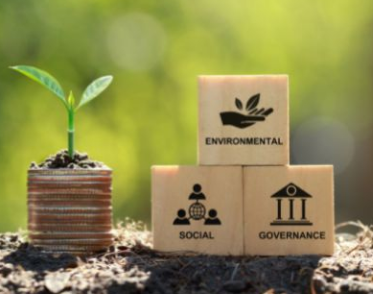
In order to comply with CSRD, companies must disclose comprehensive sustainability information on social, governance, and environmental impacts. In a simple term, the companies will report how sustainability issues affect their businesses, as well as how their businesses affect the community, corporate decisions regarding sustainability, and the environment. ESG reporting by the companies is to provide an accurate account of sustainability efforts undertaken by the companies and the expected impact on the climate of those efforts from both a qualitative and quantitative perspective with ESG data.
The environment is one of the primary and most extensive pillars of CSRD reporting. The role of the environment in ESG reporting is particularly crucial, as environmental issues such as sustainability and climate change are a key concern for governments, investors, regulators, and the general public. Companies must provide reliable, transparent, qualitative and quantitative detailed disclosures regarding their environmental impacts across their value chains and business. Further, environmental or climate reporting requirements extend beyond climate change or carbon emissions and storage. The reporting requires companies to disclose business impacts on pollution and waste management, water and marine resources, biodiversity and ecosystems, resource use, and circular economy.
Life Cycle Assessment (LCA) aligns well with these ESRS requirements. Life Cycle Assessment (LCA) is a comprehensive methodology that assesses the environmental impact of a product, service, or process throughout its entire life cycle – from raw material extraction to production, distribution, use, and disposal or recycling. LCA is a robust methodology that enables companies to quantify and analyse the environmental footprint of their products and operations across various stages of their life cycle or value chain. It extends beyond simple carbon accounting, capturing many environmental impact categories within its calculations.
Beyond CSRD compliance, conducting LCAs can help companies gain valuable insights into their environmental performance, identify areas for improvement, and make informed decisions to enhance their sustainability practices.
Sustainability Disclosure Reporting for Timber Industries
In 2019, Timber Scorecard (WWF) carried out scoring activities and scored nearly 120 U.K. brands on their sustainable timber sourcing policies and performance through the ESG Rating. The report finds that 48% of the companies evaluated should have disclosed their policies or performance on sustainable timber. Of 120 companies, 35% of those evaluated by the Timber Scorecard received high scores on their sustainable timber sourcing policies and performance, including IKEA, Kimberly-Clark and Marks & Spencer (Greenbiz, 2019).
In 2020, Timber Development UK (TDUK) launched the Timber Industry Net Zero Roadmap in collaboration with crucial UK timber trade associations and other like-minded organisations. The roadmap sets out the causes of emissions within the timber supply chain and proposes steps the industry could take to reduce carbon emissions and what the journey to Net Zero could look like. The emissions footprint of the timber industry, which concludes that the timber-related sectors in the UK (excluding paper, cardboard, pulp, and imported biomass for the energy industry) are responsible for 1,575,356 tonnes of CO2 e territorial emissions, which equates to 0.35% of UK emissions. This is very low compared to other manufacturing industries, such as UK steel production, which is responsible for 12 million tonnes of CO2 e, 2.7% of UK emissions1, and UK concrete production (excluding aggregate sourcing), which is responsible for 7.3 million tonnes CO2 e, 1.5% of UK emissions 2. (Anon, 2020)
Summary
ESG stands for environmental, social, and governance. ESG investing involves investing in companies based on their commitment to one or more ESG factors. ESG reporting requires companies to better understand whether the extraction of their raw materials is linked to conflict, environmental degradation, human rights abuses, or other problems. The environment is critical to ESG reporting, as environmental issues can have significant implications for a company’s long-term sustainability and value. Companies that proactively address environmental challenges will likely be more resilient and better positioned for success in a rapidly changing world. ESG reporting can be significantly improved by using the Life Cycle Assessment (LCA)
References
Ratnasingam, J; A.L. Hazirah; L.C, Lim; N. Jegatheswaran; K. Othman; A.M. Afthar. 2023. Environmental, Social, and Governance Adoption in the Malaysian Wood Products and Furniture Industries: Awareness, Adoption, and Challenges. BioResources, 18(1):1436.
Timber Trade Portal. 2020. Overview Of Timber Sector Of Malaysia. https://www.timbertradeportal.com/en/malaysia/79/timber-sector#:~:text=According%20to%20ITTO%20(2020)%2C,2'175%20million%20US%20dollars.
Bernama, 2024. https://www.bernama.com/en/business/news.php?
id=2276309#:~:text=%E2%80%9CIt%20is%20to%20ensure%20they,by%202030%2C%E2%80%9D%20he%20said.
New Strait Time, 2023. Article by Dawn Chan: Building a sustainable future: Malaysian Timber Industry Board advocates creative use of local wood products. https://www.google.com/amp/s/www.nst.com.my/amp/news/nation/2023/11/979769/building-sustainable-future-malaysian-timber-industry-board-advocates.
Anon, 2020. The Timber Industry Net Zero Roadmap. Report published by Timber Development UK.
Greenbiz, 2019. Report: Timber, trends and TCFD. https://www.greenbiz.com/article/report-report-timber-trends-and-tcfd
In order to comply with CSRD, companies must disclose comprehensive sustainability information on social, governance, and environmental impacts. In a simple term, the companies will report how sustainability issues affect their businesses, as well as how their businesses affect the community, corporate decisions regarding sustainability, and the environment. ESG reporting by the companies is to provide an accurate account of sustainability efforts undertaken by the companies and the expected impact on the climate of those efforts from both a qualitative and quantitative perspective with ESG data.
The environment is one of the primary and most extensive pillars of CSRD reporting. The role of the environment in ESG reporting is particularly crucial, as environmental issues such as sustainability and climate change are a key concern for governments, investors, regulators, and the general public. Companies must provide reliable, transparent, qualitative and quantitative detailed disclosures regarding their environmental impacts across their value chains and business. Further, environmental or climate reporting requirements extend beyond climate change or carbon emissions and storage. The reporting requires companies to disclose business impacts on pollution and waste management, water and marine resources, biodiversity and ecosystems, resource use, and circular economy.
Life Cycle Assessment (LCA) aligns well with these ESRS requirements. Life Cycle Assessment (LCA) is a comprehensive methodology that assesses the environmental impact of a product, service, or process throughout its entire life cycle – from raw material extraction to production, distribution, use, and disposal or recycling. LCA is a robust methodology that enables companies to quantify and analyse the environmental footprint of their products and operations across various stages of their life cycle or value chain. It extends beyond simple carbon accounting, capturing many environmental impact categories within its calculations.
Beyond CSRD compliance, conducting LCAs can help companies gain valuable insights into their environmental performance, identify areas for improvement, and make informed decisions to enhance their sustainability practices.
Sustainability Disclosure Reporting for Timber Industries
In 2019, Timber Scorecard (WWF) carried out scoring activities and scored nearly 120 U.K. brands on their sustainable timber sourcing policies and performance through the ESG Rating. The report finds that 48% of the companies evaluated should have disclosed their policies or performance on sustainable timber. Of 120 companies, 35% of those evaluated by the Timber Scorecard received high scores on their sustainable timber sourcing policies and performance, including IKEA, Kimberly-Clark and Marks & Spencer (Greenbiz, 2019).
In 2020, Timber Development UK (TDUK) launched the Timber Industry Net Zero Roadmap in collaboration with crucial UK timber trade associations and other like-minded organisations. The roadmap sets out the causes of emissions within the timber supply chain and proposes steps the industry could take to reduce carbon emissions and what the journey to Net Zero could look like. The emissions footprint of the timber industry, which concludes that the timber-related sectors in the UK (excluding paper, cardboard, pulp, and imported biomass for the energy industry) are responsible for 1,575,356 tonnes of CO2 e territorial emissions, which equates to 0.35% of UK emissions. This is very low compared to other manufacturing industries, such as UK steel production, which is responsible for 12 million tonnes of CO2 e, 2.7% of UK emissions1, and UK concrete production (excluding aggregate sourcing), which is responsible for 7.3 million tonnes CO2 e, 1.5% of UK emissions 2. (Anon, 2020)
Summary
ESG stands for environmental, social, and governance. ESG investing involves investing in companies based on their commitment to one or more ESG factors. ESG reporting requires companies to better understand whether the extraction of their raw materials is linked to conflict, environmental degradation, human rights abuses, or other problems. The environment is critical to ESG reporting, as environmental issues can have significant implications for a company’s long-term sustainability and value. Companies that proactively address environmental challenges will likely be more resilient and better positioned for success in a rapidly changing world. ESG reporting can be significantly improved by using the Life Cycle Assessment (LCA)
References
Ratnasingam, J; A.L. Hazirah; L.C, Lim; N. Jegatheswaran; K. Othman; A.M. Afthar. 2023. Environmental, Social, and Governance Adoption in the Malaysian Wood Products and Furniture Industries: Awareness, Adoption, and Challenges. BioResources, 18(1):1436.
Timber Trade Portal. 2020. Overview Of Timber Sector Of Malaysia. https://www.timbertradeportal.com/en/malaysia/79/timber-sector#:~:text=According%20to%20ITTO%20(2020)%2C,2'175%20million%20US%20dollars.
Bernama, 2024. https://www.bernama.com/en/business/news.php?
id=2276309#:~:text=%E2%80%9CIt%20is%20to%20ensure%20they,by%202030%2C%E2%80%9D%20he%20said.
New Strait Time, 2023. Article by Dawn Chan: Building a sustainable future: Malaysian Timber Industry Board advocates creative use of local wood products. https://www.google.com/amp/s/www.nst.com.my/amp/news/nation/2023/11/979769/building-sustainable-future-malaysian-timber-industry-board-advocates.
Anon, 2020. The Timber Industry Net Zero Roadmap. Report published by Timber Development UK.
Greenbiz, 2019. Report: Timber, trends and TCFD. https://www.greenbiz.com/article/report-report-timber-trends-and-tcfd
