
Nowadays, many people are choosing to spend their free time in green spaces as they recognize the positive impact of recreation on their overall well-being. Urban natural areas such as green corridors, street trees, parks, forests, and blue spaces like lakes, rivers, oceans, and ponds are some examples of such green spaces.
In this context, well-being is defined as integrating mental health (mind) and physical health (body), resulting in a more holistic approach to disease prevention and health promotion. Outdoor recreation has been linked to improved mental health, such as reduced stress, depression, and other emotions. Physical fitness also increases life expectancy, reduces mortality rates, maintains a lower body fat percentage, and lowers blood pressure and cholesterol levels, especially for older adults. Additionally, outdoor recreation is believed to alleviate symptoms of attention deficit disorder, enhance resistance to stress and depression, boost self-esteem, stimulate cognitive development and creativity, reduce myopia, and prevent childhood obesity.
The world, including Malaysia, is becoming more urbanized, and living in cities has been associated with mental health problems. On the other hand, different natural environments are known to create healthier environments, and the need for effective therapeutic environments has never been greater. Numerous studies have shown that people benefit from the recreational services of urban parks, forests, and corridors (Figures 1, 2 and 3).
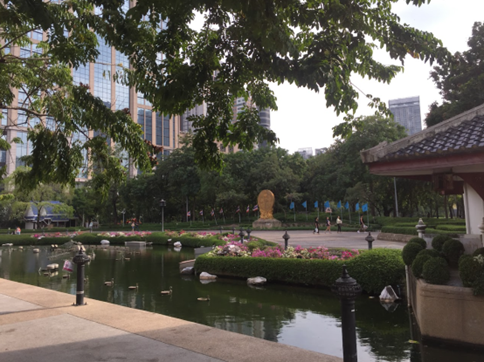
Figure 1. Urban parks
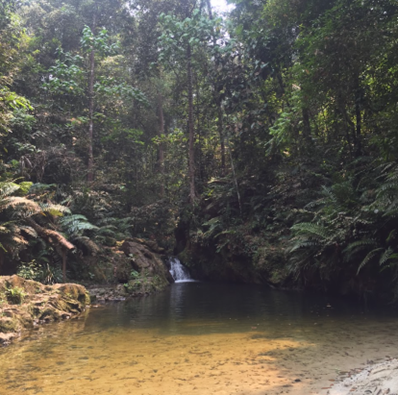
Figure 2. Forest area

Figure 3. Urban green corridor
In Malaysia, urban parks and forests, for example, are the most typical physical activity environments. Although Malaysia has increased its understanding of the well-being effects of recreational use of urban green spaces, the availability of forest areas has been reduced by replacing urban green corridors and pocket parks. Interestingly, in Malaysia, there is a study on different types of urban contexts, such as urban green corridors, urban parks, and urban forest areas, to determine which environment most effectively mitigates stress, anxiety, and depression among individuals. The findings indicate that forested areas significantly reduce overall mood disturbance compared to urban green corridors and parks. Moreover, forested areas are more stimulating than recreational parks in meeting restoration standards. This finding emphasizes that extensive urban forest areas offer more significant benefits in alleviating stress, anxiety, and depression, a conclusion supported by additional research.
Furthermore, recreational parks can foster restorative advantages and reduce negative feelings. After a walk, there are fewer adverse effects such as anxiety, anger, guilt, fear, aggression, irritability, shame, nervousness, depression, and more relaxation. Studies have revealed that despite having less vegetation density than forests and urban parks, urban green corridors can significantly benefit urban residents. These benefits include participating in more outdoor activities, such as physical exercise, recreation, scenic walks, and improved physical and mental health. The various kinds of plants in urban green corridors function differently to provide shade and health advantages.
