
In our relentless push for urbanisation, we've seriously messed up the delicate balance between human habitation and the natural world. Urban landscapes, once lush and full of life, have completely transformed into concrete jungles where human infrastructure is the king. This transformation has caused many terrible consequences, including reversing ecosystem services. Ecosystem services - the incredible benefits nature gives us - are crucial for survival. But amid all this urban sprawl, these services are often compromised, putting our well-being at risk. That's why reversing this situation and focusing on sustainable urban development is essential. We need to recognise the many connections between urban ecosystems and public health, like how they help us deal with heat, improve our mental health and overall well-being by getting us in touch with nature, and effectively managing stormwater. And let's remember all the incredible benefits of green and blue infrastructures, like reducing pollution, storing carbon, producing food, reducing noise, and providing recreational and cultural spaces. Figure 1 explains (a) regulation of microclimate, (b) noise reduction, (c) food production, (d) carbon storage and sequestration, (e) habitat provision, (f) run-off retention and water filtration, (g) recreational and cultural values, and (h) air purification
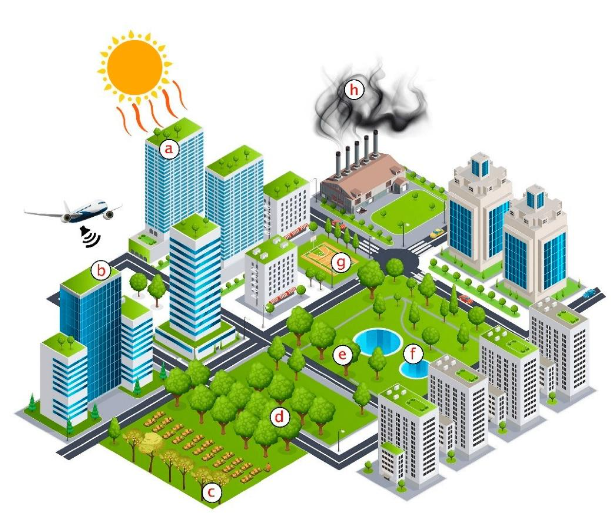
Figure 1. Ecosystem services provided by green and blue infrastructureSource. Russo & Cirella, 2021).
So, here's the heart of the problem: we keep taking over natural habitats, causing them to fragment and disappear (Smith et al., 2020). Urban expansion is swallowing up massive areas of pristine ecosystems, breaking them into isolated bits that can't support biodiversity. This fragmentation messes up ecological processes, providing less clean air, water, and food. Plus, when habitats are lost, we lose many species, which messes up things like pollination and pest control - important for agriculture. That's why we need to reverse the loss of ecosystem services by restoring and protecting natural habitats within our cities. That way, we'll keep biodiversity alive and make our ecosystems more resilient. Furthermore, urbanisation is worsening the environment, with pollution and climate change worsening. In cities, there's lots of pollution from cars, factories, and waste, which is terrible for the environment. Wetlands and forests, which help clean the air and water, are disappearing, leaving city dwellers exposed to pollution in the air, water, and soil (Jones and Patel, 2019). Climate change makes extreme weather events happen more often and intense, which is bad for cities. To fix this, we must use green infrastructure like urban forests, green roofs, and pavement that lets water through. These things help clean the air, regulate the temperature, and make cities more able to handle climate change.
What's more, when green spaces in cities become a way for people to make money, it's not fair. Only rich people can use them, and poor people miss out on the benefits of nature (Gonzalez et al., 2021). This makes things unfair because the people who get hurt the most by pollution don't get any benefits from nature. So, we need to make sure that everyone, no matter how much money they have, can enjoy nature in cities. This can happen through community projects like urban gardening, community forests, and green spaces that connect different areas (Wang and Liu, 2018). We need to take a different approach to urban development and consider how we can make cities better by focusing on nature. That way, we can fix the environment, deal with climate change, and improve the lives of everyone living in cities.
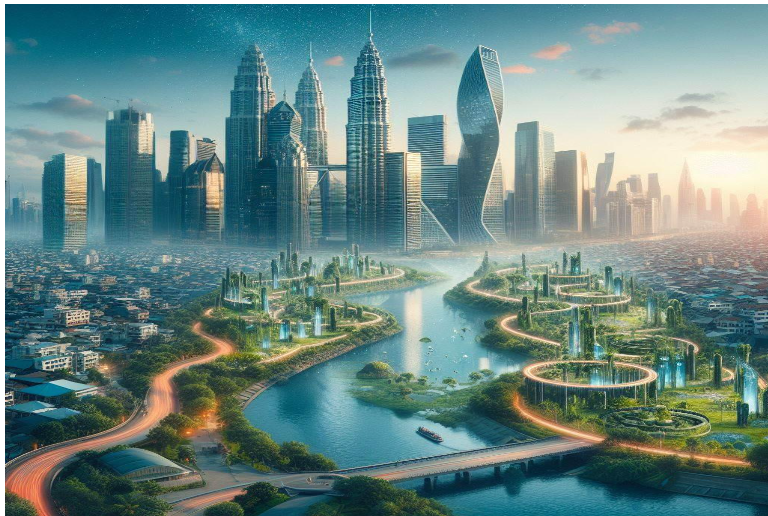
Urban Ecosystem Services- Paving the Way to Sustainability. We must start thinking about the environment in cities and how we can improve it. We must change how we usuall
Additionally, the need to reverse ecosystem services in urban areas is closely connected to the importance of building resilience in the face of global environmental challenges. Urban areas, which are rapidly growing and home to a large population, are particularly vulnerable to the effects of climate change, natural disasters, and pandemics (Brown and Clark, 2020). The COVID-19 pandemic, which is a clear example of how urbanisation and environmental degradation are linked, emphasizes the urgent need for transformative action. Furthermore, the proximity of individuals in cities increases the chances of virus transmission, leading to more widespread outbreaks. Reversing ecosystem services requires the development of adaptive capacity through green infrastructure, ecological restoration, and inclusive governance. By strengthening the resilience of urban ecosystems, communities can reduce the impacts of environmental shocks and stressors, thus protecting human well-being in an uncertain future.
In conclusion, the task of reversing ecosystem services in urban areas goes beyond simple environmental conservation; it represents a fundamental shift towards sustainable urban development. By restoring and preserving natural habitats, reducing pollution, ensuring social fairness, and improving resilience, cities can serve as examples of sustainability in our increasingly urbanized world. However, achieving this vision requires collective efforts and transformative actions at the local, national, and global levels. Only through working together and staying committed, can we create a future where humanity and nature coexist harmoniously in urban landscapes.
References
Brown, D., & Clark, E. (2020). Building Resilient Cities: Lessons from the COVID-19 Pandemic. Journal of Urban Planning, 10(2), 150-165.
Gonzalez, M., Smith, K., & Davis, R. (2021). The Role of Urban Green Spaces in Mental Health During the COVID-19 Pandemic. Urban Studies, 28(2), 210-225.
Jones, L., & Patel, S. (2019). Urban Air Pollution and Respiratory Health: A Review. Environmental Health Perspectives, 127(4), 55002.
Russo, A. & Cirella, G.T. 2021. Urban Ecosystem Services: New Findings for Landscape Architects, Urban Planners, and Policymakers. Land,10, 88. https://doi.org/10.3390/land10010088
Smith, J., Johnson, R., & Brown, A. (2020). The Impact of Urban Expansion on Ecosystem Services. Journal of Environmental Science, 15(3), 45-60.
Wang, Y., & Liu, C. (2018). Equitable Access to Urban Green Spaces: A Case Study. Urban Studies, 25(4), 450-465.
