

The World Without Microorganisms
Microorganisms have been around us since time immemorial. We rely on them for many things, including making our food tasty (tempoyak? Yes, please!). However, we also look at them negatively because they can make us sick (down with a cold for a week? Not fun!). Because of this, sometimes we wish that microorganisms did not exist.
A world without microorganisms—sounds good, right? After all, there will be no diseases caused by microorganisms. We will never have to take leave to catch a cold. Sending children to childcare? No worries! They will never catch a cold or other nasty bugs from their peers. We will never need antibiotics and antivirals. And a year-long quarantine because of a pandemic? What is that?
A world without microorganisms would be terrific.
Or is it?
A world without microorganisms would also mean no tempeh, budu, tempoyak, kimchi, cheese, yoghurt, miso, and all your favourite fermented foods and drinks. That also means we will not have probiotics in our guts to help us break down the food that we eat. Without probiotics, our body will not be able to provide us with nutrients that our body needs, such as vitamins and other essential compounds. Without nutrients, we will be malnourished and eventually die.
Did you know that microorganisms in our body also help produce hormones and neurotransmitters? Without microorganisms, our body cannot produce these things properly, creating havoc and preventing us from functioning well.
Humans are not the only organisms that rely on microorganisms for digestion. All animals also rely heavily on microorganisms in their digestive systems to break down the food that they eat. Without microorganisms, ruminants such as cows will not be able to absorb nutrients from all the grass and vegetation that they eat. Similarly, they will eventually die due to malnutrition.
What about plants? Will they survive without microorganisms?
Unfortunately, no. Plants get their nutrients from the soil, and soil replenishes its nutrients through microbial activities. Without microorganisms, nutrients in the soil will not be replenished. Soon after microorganisms cease to exist in this world, plants will start to die off, too.
We should not forget about lakes, rivers, and the ocean. Microorganisms are essential in these environments, creating nutrients for aquatic organisms to thrive. Like humans, animals, and plants, aquatic organisms will also start to die if microorganisms are eradicated from the aquatic environment.
So, not long after microorganisms cease to exist in the environment, land, aquatic, and plant animals and plants will start to die, leaving us with a limited number of foods. Without food, we will starve and possibly be forced to cannibalize (nothing is impossible in the face of death!).
Sounds grim, doesn't it? Especially when we realize that none of the dead humans, animals, and plants will be decomposed because no microorganisms exist to decompose them. All corpses will either be left as is or eaten by other animals or humans.
A world without microorganisms—sounds good, right? After all, there will be no diseases caused by microorganisms. We will never have to take leave to catch a cold. Sending children to childcare? No worries! They will never catch a cold or other nasty bugs from their peers. We will never need antibiotics and antivirals. And a year-long quarantine because of a pandemic? What is that?
A world without microorganisms would be terrific.
Or is it?
A world without microorganisms would also mean no tempeh, budu, tempoyak, kimchi, cheese, yoghurt, miso, and all your favourite fermented foods and drinks. That also means we will not have probiotics in our guts to help us break down the food that we eat. Without probiotics, our body will not be able to provide us with nutrients that our body needs, such as vitamins and other essential compounds. Without nutrients, we will be malnourished and eventually die.
Did you know that microorganisms in our body also help produce hormones and neurotransmitters? Without microorganisms, our body cannot produce these things properly, creating havoc and preventing us from functioning well.
Humans are not the only organisms that rely on microorganisms for digestion. All animals also rely heavily on microorganisms in their digestive systems to break down the food that they eat. Without microorganisms, ruminants such as cows will not be able to absorb nutrients from all the grass and vegetation that they eat. Similarly, they will eventually die due to malnutrition.
What about plants? Will they survive without microorganisms?
Unfortunately, no. Plants get their nutrients from the soil, and soil replenishes its nutrients through microbial activities. Without microorganisms, nutrients in the soil will not be replenished. Soon after microorganisms cease to exist in this world, plants will start to die off, too.
We should not forget about lakes, rivers, and the ocean. Microorganisms are essential in these environments, creating nutrients for aquatic organisms to thrive. Like humans, animals, and plants, aquatic organisms will also start to die if microorganisms are eradicated from the aquatic environment.
So, not long after microorganisms cease to exist in the environment, land, aquatic, and plant animals and plants will start to die, leaving us with a limited number of foods. Without food, we will starve and possibly be forced to cannibalize (nothing is impossible in the face of death!).
Sounds grim, doesn't it? Especially when we realize that none of the dead humans, animals, and plants will be decomposed because no microorganisms exist to decompose them. All corpses will either be left as is or eaten by other animals or humans.
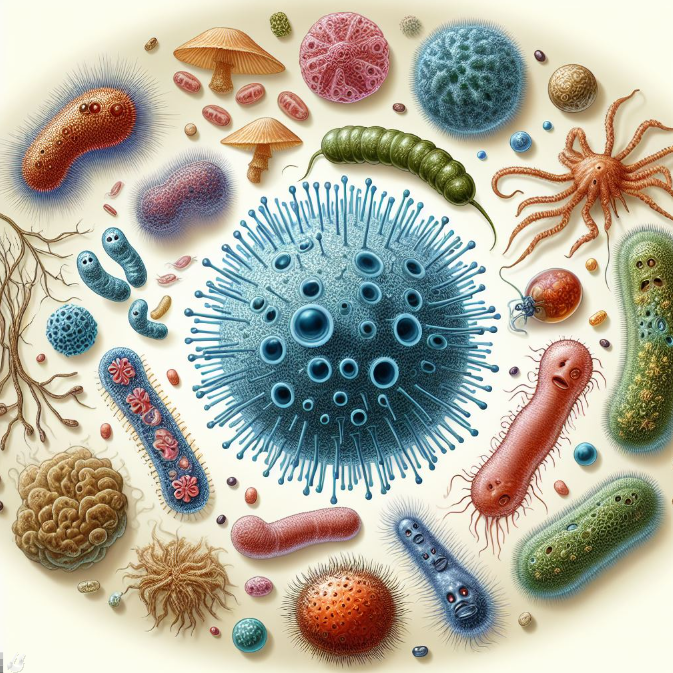
Microorganisms are organisms that are microscopic and cannot be seen through the naked eye.
Did you know that a large percentage of oxygen gas on Earth is produced by microorganisms in the ocean? In fact, microorganisms in the ocean were responsible for providing oxygen in the atmosphere for other organisms to survive on early Earth. Without them, all other organisms would start to suffocate.
No food, oxygen, nutrients, decomposition of dead organisms, and hormone and neurotransmitter imbalances. These are some of the effects of not having any microorganisms on Earth.
Sounds like the end of days to me.
Do you still wish for a world without microorganisms?
No food, oxygen, nutrients, decomposition of dead organisms, and hormone and neurotransmitter imbalances. These are some of the effects of not having any microorganisms on Earth.
Sounds like the end of days to me.
Do you still wish for a world without microorganisms?
