

Tackling Urban Heat Island in Malaysia: Building a Cooler, Greener Future
Malaysia with its dynamic urban centres and tropical climate is confronting a pressing issue: the Urban Heat Island (UHI) effect. As cities expand and populations grow, the proliferation of concrete structures absorbs and traps heat, leading to significantly elevated temperatures compared to surrounding rural areas. This phenomenon, exacerbated by factors like rapid urbanisation, limited green spaces, and heightened energy consumption, not only impacts the environment but also poses serious health risks to residents. However, innovative approaches centred on sustainable urban development offer promising solutions to mitigate the adverse effects of UHI. UHI is a significant contributor to global warming and can be considered a form of air pollution. Consequently, cities experience higher temperatures, altered microclimates, increased energy demands for cooling, and compromised air quality, posing significant challenges to public health and urban livability.
To address the UHI effect, Malaysia is increasingly embracing green infrastructure initiatives. These initiatives focus on integrating natural elements such as parks, green roofs, gardens, and porous surfaces into urban landscapes. Green spaces are crucial in reducing heat absorption, providing shade, enhancing air quality, and promoting biodiversity. Rooftop gardens, in particular, offer a dual benefit by insulating buildings, thereby reducing energy consumption for cooling, and mitigating UHI through evapotranspiration.
For example, rapid urban development in Putrajaya has led to significant modifications in land cover, including increased impervious surfaces and reduced green spaces. Addressing Land Use and Land Cover (LULC) changes through sustainable urban planning practices, such as incorporating green infrastructure and preserving natural habitats, is crucial for mitigating UHI in Putrajaya and other urban centers across Malaysia. The findings from the previous study emphasise the crucial role of LULC changes in influencing UHI and its associated impacts on temperature fluctuations. Consequently, it is imperative to incorporate these results into urban planning and management policies to mitigate the adverse effects of urbanisation on local climate and improve the resilience of urban areas.
It is evident from Figure 1 that the predominant LULC change class was urban and built-up areas, constituting approximately 89.1% of the overall LULC classification each year. In contrast, croplands had the lowest coverage area, accounting for only 0.002% across all 11 years. These LULC changes, driven by urbanisation and deforestation, can significantly influence various climatic factors, including temperature. The correlation between LULC changes and temperature is not solely dependent on each other. Nonetheless, the modifications in LULC and subsequent shifts in temperature patterns play vital roles in contributing to the UHI effect. Recognising this connection is essential for implementing efficient urban planning and climate resilience strategies aimed at fostering more sustainable and pleasant urban environments.
To address the UHI effect, Malaysia is increasingly embracing green infrastructure initiatives. These initiatives focus on integrating natural elements such as parks, green roofs, gardens, and porous surfaces into urban landscapes. Green spaces are crucial in reducing heat absorption, providing shade, enhancing air quality, and promoting biodiversity. Rooftop gardens, in particular, offer a dual benefit by insulating buildings, thereby reducing energy consumption for cooling, and mitigating UHI through evapotranspiration.
For example, rapid urban development in Putrajaya has led to significant modifications in land cover, including increased impervious surfaces and reduced green spaces. Addressing Land Use and Land Cover (LULC) changes through sustainable urban planning practices, such as incorporating green infrastructure and preserving natural habitats, is crucial for mitigating UHI in Putrajaya and other urban centers across Malaysia. The findings from the previous study emphasise the crucial role of LULC changes in influencing UHI and its associated impacts on temperature fluctuations. Consequently, it is imperative to incorporate these results into urban planning and management policies to mitigate the adverse effects of urbanisation on local climate and improve the resilience of urban areas.
It is evident from Figure 1 that the predominant LULC change class was urban and built-up areas, constituting approximately 89.1% of the overall LULC classification each year. In contrast, croplands had the lowest coverage area, accounting for only 0.002% across all 11 years. These LULC changes, driven by urbanisation and deforestation, can significantly influence various climatic factors, including temperature. The correlation between LULC changes and temperature is not solely dependent on each other. Nonetheless, the modifications in LULC and subsequent shifts in temperature patterns play vital roles in contributing to the UHI effect. Recognising this connection is essential for implementing efficient urban planning and climate resilience strategies aimed at fostering more sustainable and pleasant urban environments.
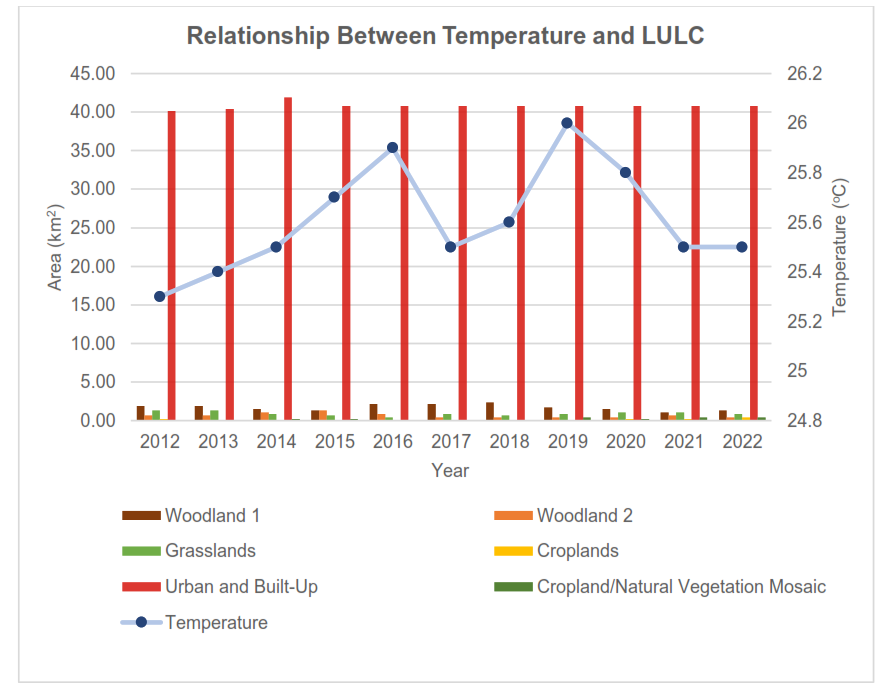
Figure 1. Relationship between Temperature and LULC
Furthermore, expanding tree canopy coverage is paramount in combating UHI and enhancing urban resilience. Trees provide shade, absorb carbon dioxide, release oxygen, and reduce surface temperatures through transpiration. Strategic planting of trees along streets, in parks, and around buildings mitigates the heat island effect and fosters a more visually appealing and sustainable urban environment. Moreover, investing in diverse tree species ensures resilience against climate change-induced stresses such as pests and diseases.
Innovative cool pavement technology offers a sustainable solution to mitigate UHI by reducing surface temperatures in urban areas. Cool pavements, composed of materials with high solar reflectance and infrared emittance properties, reflect sunlight and emit absorbed heat more effectively than traditional pavements. Integrating cool pavements into urban planning enhances heat resilience, improves pedestrian comfort, prolongs pavement lifespan, and reduces the urban heat island effect.
Community engagement and education are integral to the success of UHI mitigation efforts. Public awareness campaigns, workshops, and educational programs raise awareness about the impacts of UHI and the importance of sustainable urban practices. Empowering communities to participate in green initiatives, such as community gardens or tree planting programs, fosters a sense of ownership and collective responsibility toward building cooler, greener cities.
Effective policy interventions are essential for driving UHI mitigation efforts at the national and local levels. Governments can enact regulations and incentives to promote green building designs, urban forestry, and sustainable transportation infrastructure. Collaborative policymaking involving government agencies, urban planners, researchers, and private sectors is critical for formulating comprehensive strategies that prioritize UHI mitigation, climate adaptation, and urban sustainability.
As Malaysia confronts the challenges posed by UHI, concerted efforts towards sustainable urban development are paramount. By embracing green infrastructure initiatives, expanding tree canopy coverage, adopting cool pavement technology, fostering community engagement, and implementing effective policies, Malaysia can pave the way toward a cooler, greener future for its cities. Through collective action and innovation, we can mitigate the adverse effects of UHI, enhance urban resilience, and create healthier, more livable environments for present and future generations.
References:
Das, S., & Angadi, D. P. (2020). Land use-land cover (LULC) transformation and its relation with land surface temperature changes: A case study of Barrackpore Subdivision, West Bengal, India. Remote Sensing Applications: Society and Environment, 19, 100322. https://doi.org/10.1016/j.rsase.2020.100322
Harun, Z., Azhar, N. I., A. Abbas, A., R. Lotfy, E., Al-Furjan, M. S. H., & Etminan, A. (2022). Variation of the Urban Heat Island Intensity over One Year in Putrajaya, Malaysia. Journal of Mechanical Engineering, 19(3), 167–188. https://doi.org/10.24191/jmeche.v19i3.19802
Morris, K. I., Chan, A., Ooi, M. C., Oozeer, M. Y., Abakr, Y. A., & Morris, K. J. K. (2016). Effect of vegetation and waterbody on the garden city concept: An evaluation study using a newly developed city, Putrajaya, Malaysia. Computers, Environment and Urban Systems, 58, 39–51. https://doi.org/10.1016/j.compenvurbsys.2016.03.005
Ulfiasari, S., & Yola, L. (2022). How Does Urban Development Contributes to Urban Heat Island: A Decade Increase of Urban Heat Intensity in Jakarta Metropolitan Area (pp. 67–77). https://doi.org/10.1007/978-981-16-2329-5_9
Innovative cool pavement technology offers a sustainable solution to mitigate UHI by reducing surface temperatures in urban areas. Cool pavements, composed of materials with high solar reflectance and infrared emittance properties, reflect sunlight and emit absorbed heat more effectively than traditional pavements. Integrating cool pavements into urban planning enhances heat resilience, improves pedestrian comfort, prolongs pavement lifespan, and reduces the urban heat island effect.
Community engagement and education are integral to the success of UHI mitigation efforts. Public awareness campaigns, workshops, and educational programs raise awareness about the impacts of UHI and the importance of sustainable urban practices. Empowering communities to participate in green initiatives, such as community gardens or tree planting programs, fosters a sense of ownership and collective responsibility toward building cooler, greener cities.
Effective policy interventions are essential for driving UHI mitigation efforts at the national and local levels. Governments can enact regulations and incentives to promote green building designs, urban forestry, and sustainable transportation infrastructure. Collaborative policymaking involving government agencies, urban planners, researchers, and private sectors is critical for formulating comprehensive strategies that prioritize UHI mitigation, climate adaptation, and urban sustainability.
As Malaysia confronts the challenges posed by UHI, concerted efforts towards sustainable urban development are paramount. By embracing green infrastructure initiatives, expanding tree canopy coverage, adopting cool pavement technology, fostering community engagement, and implementing effective policies, Malaysia can pave the way toward a cooler, greener future for its cities. Through collective action and innovation, we can mitigate the adverse effects of UHI, enhance urban resilience, and create healthier, more livable environments for present and future generations.
References:
Das, S., & Angadi, D. P. (2020). Land use-land cover (LULC) transformation and its relation with land surface temperature changes: A case study of Barrackpore Subdivision, West Bengal, India. Remote Sensing Applications: Society and Environment, 19, 100322. https://doi.org/10.1016/j.rsase.2020.100322
Harun, Z., Azhar, N. I., A. Abbas, A., R. Lotfy, E., Al-Furjan, M. S. H., & Etminan, A. (2022). Variation of the Urban Heat Island Intensity over One Year in Putrajaya, Malaysia. Journal of Mechanical Engineering, 19(3), 167–188. https://doi.org/10.24191/jmeche.v19i3.19802
Morris, K. I., Chan, A., Ooi, M. C., Oozeer, M. Y., Abakr, Y. A., & Morris, K. J. K. (2016). Effect of vegetation and waterbody on the garden city concept: An evaluation study using a newly developed city, Putrajaya, Malaysia. Computers, Environment and Urban Systems, 58, 39–51. https://doi.org/10.1016/j.compenvurbsys.2016.03.005
Ulfiasari, S., & Yola, L. (2022). How Does Urban Development Contributes to Urban Heat Island: A Decade Increase of Urban Heat Intensity in Jakarta Metropolitan Area (pp. 67–77). https://doi.org/10.1007/978-981-16-2329-5_9
