
From Forester to Climate Strategists: The Evolution of Forestry Education in a Climate-Driven World
Introduction
Forests were traditionally viewed as sources of timber and other natural resources, with forest rangers tasked with managing and regulating them. However, issues like global warming, urbanisation, biodiversity loss, and sustainability have elevated forests to a vital role in environmental resilience, carbon sequestration, and climate regulation. Consequently, forestry education has undergone substantial change, shifting towards a more interdisciplinary approach. The focus now is less on technical skills and more on developing graduates as climate strategists, environmental leaders, and advocates. This essay discusses how forestry education has evolved from a purely forest management focus to a multidisciplinary, climate-oriented discipline, driven by curriculum updates, emerging employment opportunities, and leadership in addressing urgent global environmental challenges and fostering sustainable practices.
Evolution of Forestry Education
Traditionally, silviculture, timber production, and forest protection were the focus of forestry education. The initial forestry education programs were aimed at producing forest officers and rangers capable of managing forest resources effectively, with the primary goal of supplying the economy with timber and other forest products. According to the Food and Agriculture Organisation (FAO), forestry education in the past focused on technical skills in the field, with little attention to the social, economic, and environmental aspects. This was a good forest resource management plan in the early years, but it was insufficient as environmental issues became more complex.
Gradually, forestry education had to diversify to address environmental concerns worldwide. According to studies conducted by the Centre for International Forestry Research (CIFOR), sustainable forest management, conservation biology, and socio-economic studies were gradually integrated into forestry curricula due to deforestation and ecosystem degradation. This was a significant change to the exploitation of resources for sustainability and long-term environmental management.
Curriculum Development for a Climate-Driven World
Recent forestry education has been transformed to directly address climate change and sustainability. Climate science, carbon management, environmental policy and ecosystem restoration are now part of the contemporary curricula. The technology incorporated into current forestry programs includes Geographic Information Systems (GIS), remote sensing, and data analysis to monitor the effects of forest health and climate, with greater effectiveness. Moreover, higher education in forestry has now focused on interdisciplinary education. Regarding forestry as an educational program from a Malaysian perspective, it is important to note that transdisciplinary education in forestry, integrating environmental science, economics, and social studies, ensures that graduates can address real-world environmental issues. This combination not only equips students to manage forests but also helps them develop plans to mitigate climate change and support sustainable land use.
Expanding Job Opportunities and Employability
The forestry education revolution has greatly broadened graduates' career opportunities. Conservation officers and other traditional jobs, like forest rangers, have not been eliminated as new jobs have been developed. Graduates are currently working as climate change analysts, sustainability consultants, urban forestry planners, and environmental policy advisors. It is shown that postgraduate programs are more dedicated to climate mitigation, industry, their teams, and applied research to enhance employability.
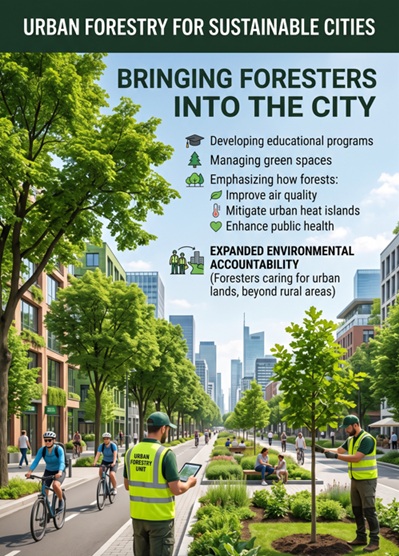
Another developing area is urban forestry for sustainable cities. Educational initiatives are now being developed to manage green spaces in urban areas, emphasising how forests can improve air quality, mitigate urban heat islands, and enhance public health. The inclusion of urban forestry indicates the expanded environmental accountability of contemporary foresters, beyond rural and closed lands. We should look forward to bringing foresters into the city to care for the urban forest as a serious business and part of the green economy.
Leadership and Management in Modern Forestry
With the rising importance of forestry, leadership and management skills have become integral to forestry education. Contemporary foresters are expected to be multidisciplinary team leaders, engaging with communities, governments, and private organisations. Research indicates that forestry professionals must adapt to changing economic forces, technological advancements, and international climate policies. This shift necessitates moving away from traditional top-down management toward participative and adaptive leadership styles. Moreover, foresters need to develop skills in communication, negotiation, and conflict resolution to effectively collaborate with diverse stakeholders. Graduates in forestry must learn to balance ecological sustainability with social and economic considerations to ensure the resilience of ecosystems and communities. Continuous education and professional development are essential to keep pace with emerging challenges and innovations in the field.
Forests were traditionally viewed as sources of timber and other natural resources, with forest rangers tasked with managing and regulating them. However, issues like global warming, urbanisation, biodiversity loss, and sustainability have elevated forests to a vital role in environmental resilience, carbon sequestration, and climate regulation. Consequently, forestry education has undergone substantial change, shifting towards a more interdisciplinary approach. The focus now is less on technical skills and more on developing graduates as climate strategists, environmental leaders, and advocates. This essay discusses how forestry education has evolved from a purely forest management focus to a multidisciplinary, climate-oriented discipline, driven by curriculum updates, emerging employment opportunities, and leadership in addressing urgent global environmental challenges and fostering sustainable practices.
Evolution of Forestry Education
Traditionally, silviculture, timber production, and forest protection were the focus of forestry education. The initial forestry education programs were aimed at producing forest officers and rangers capable of managing forest resources effectively, with the primary goal of supplying the economy with timber and other forest products. According to the Food and Agriculture Organisation (FAO), forestry education in the past focused on technical skills in the field, with little attention to the social, economic, and environmental aspects. This was a good forest resource management plan in the early years, but it was insufficient as environmental issues became more complex.
Gradually, forestry education had to diversify to address environmental concerns worldwide. According to studies conducted by the Centre for International Forestry Research (CIFOR), sustainable forest management, conservation biology, and socio-economic studies were gradually integrated into forestry curricula due to deforestation and ecosystem degradation. This was a significant change to the exploitation of resources for sustainability and long-term environmental management.
Curriculum Development for a Climate-Driven World
Recent forestry education has been transformed to directly address climate change and sustainability. Climate science, carbon management, environmental policy and ecosystem restoration are now part of the contemporary curricula. The technology incorporated into current forestry programs includes Geographic Information Systems (GIS), remote sensing, and data analysis to monitor the effects of forest health and climate, with greater effectiveness. Moreover, higher education in forestry has now focused on interdisciplinary education. Regarding forestry as an educational program from a Malaysian perspective, it is important to note that transdisciplinary education in forestry, integrating environmental science, economics, and social studies, ensures that graduates can address real-world environmental issues. This combination not only equips students to manage forests but also helps them develop plans to mitigate climate change and support sustainable land use.
Expanding Job Opportunities and Employability
The forestry education revolution has greatly broadened graduates' career opportunities. Conservation officers and other traditional jobs, like forest rangers, have not been eliminated as new jobs have been developed. Graduates are currently working as climate change analysts, sustainability consultants, urban forestry planners, and environmental policy advisors. It is shown that postgraduate programs are more dedicated to climate mitigation, industry, their teams, and applied research to enhance employability.
Another developing area is urban forestry for sustainable cities. Educational initiatives are now being developed to manage green spaces in urban areas, emphasising how forests can improve air quality, mitigate urban heat islands, and enhance public health. The inclusion of urban forestry indicates the expanded environmental accountability of contemporary foresters, beyond rural and closed lands. We should look forward to bringing foresters into the city to care for the urban forest as a serious business and part of the green economy.
Leadership and Management in Modern Forestry
With the rising importance of forestry, leadership and management skills have become integral to forestry education. Contemporary foresters are expected to be multidisciplinary team leaders, engaging with communities, governments, and private organisations. Research indicates that forestry professionals must adapt to changing economic forces, technological advancements, and international climate policies. This shift necessitates moving away from traditional top-down management toward participative and adaptive leadership styles. Moreover, foresters need to develop skills in communication, negotiation, and conflict resolution to effectively collaborate with diverse stakeholders. Graduates in forestry must learn to balance ecological sustainability with social and economic considerations to ensure the resilience of ecosystems and communities. Continuous education and professional development are essential to keep pace with emerging challenges and innovations in the field.
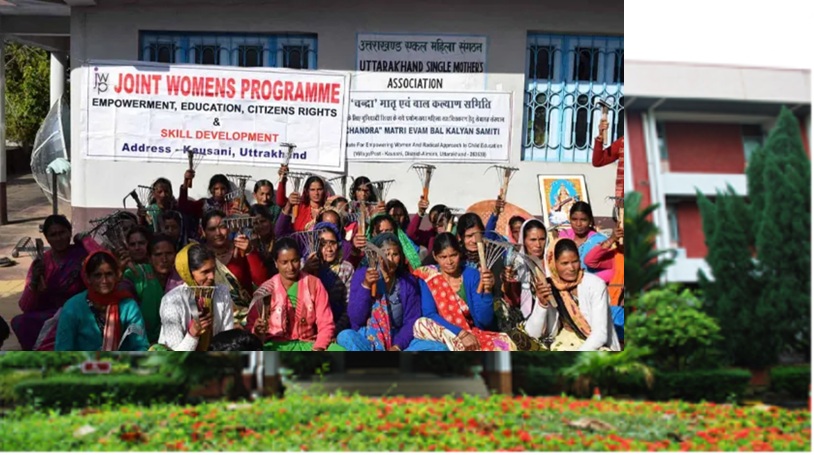
Forestry Education as a Tool for Empowerment. https://forestry.com/guides/how-forestry-education/?utm_source
Forestry education has evolved significantly from its initial focus on forest rangers and timber management to now shaping students into climate strategists and environmental leaders. This transformation has been driven by curriculum updates, interdisciplinary approaches, and a response to global environmental shifts. As climate change and environmental challenges grow more urgent, forestry programs must continue to innovate to ensure future professionals have the knowledge and leadership needed to protect forests and promote sustainable development. Ultimately, the future of forestry in a changing climate depends not only on managing trees but also on creating resilient ecosystems and sustainable communities.
References
Global Forestry Education Guidance and Monitoring: How Imperative is it? . https://www.cifor-icraf.org/publications/downloads/Publications/PDFS/BC08171.pdf
Food and Agriculture Organization of the United Nations. 2004. Reinventing forestry education and changing roles of foresters. FAO Forestry Department. https://www.fao.org/4/y5382e/y5382e03.htm
Forestry.com. 2025. How forestry education can promote community well-being. https://forestry.com/guides/how-forestry-education/
Kleinschmit, D., & Secco, L. 2025. Professional degree graduate education in forestry. Forests, 16(12), 1875. https://www.mdpi.com/1999-4907/16/12/1875
Sample, V. A., Ringgold, P. C., Block, N. E., & Giltmier, J. W. 1999. Transforming forest education to meet the changing demands for professionals. Journal of Forestry, 97(9), 4–10.Journal of Forestry, 97(9), 4–10. https://www.jstor.org/stable/26514434?utm_source
Jegatheswaran, R., Florin, I., Claudia, C., Lu, W. 2013. The Future of Professional Forestry Education: Trends and Challenges from the Malaysian Perspective.
https://www.researchgate.net/publication/288976051_The_Future_of_Professional_Forestry_Education_Trends_and_Challenges_from_the_Malaysian_Perspective
References
Global Forestry Education Guidance and Monitoring: How Imperative is it? . https://www.cifor-icraf.org/publications/downloads/Publications/PDFS/BC08171.pdf
Food and Agriculture Organization of the United Nations. 2004. Reinventing forestry education and changing roles of foresters. FAO Forestry Department. https://www.fao.org/4/y5382e/y5382e03.htm
Forestry.com. 2025. How forestry education can promote community well-being. https://forestry.com/guides/how-forestry-education/
Kleinschmit, D., & Secco, L. 2025. Professional degree graduate education in forestry. Forests, 16(12), 1875. https://www.mdpi.com/1999-4907/16/12/1875
Sample, V. A., Ringgold, P. C., Block, N. E., & Giltmier, J. W. 1999. Transforming forest education to meet the changing demands for professionals. Journal of Forestry, 97(9), 4–10.Journal of Forestry, 97(9), 4–10. https://www.jstor.org/stable/26514434?utm_source
Jegatheswaran, R., Florin, I., Claudia, C., Lu, W. 2013. The Future of Professional Forestry Education: Trends and Challenges from the Malaysian Perspective.
https://www.researchgate.net/publication/288976051_The_Future_of_Professional_Forestry_Education_Trends_and_Challenges_from_the_Malaysian_Perspective
AI generated image.
