

From Pollution to Plate: Do Microplastics Undermine Fisheries Productivity?
Introduction
Microplastics (MPs), tiny plastic particles smaller than 5 mm, have rapidly emerged as a global environmental concern. Once released into aquatic environments, they persist, accumulate, and are readily ingested by marine and freshwater organisms, including fish (Figure 1). In recent years, scientific evidence documenting microplastic ingestion in fish has grown substantially, raising concerns about their potential impact on aquatic ecosystems and food systems (Barboza et al., 2019). The risks posed by microplastics are not only physical but also chemical. These particles can carry toxic additives from manufacturing, as well as pollutants such as persistent organic contaminants absorbed from the surrounding environment. As a result, fish exposed to microplastics may experience a combination of mechanical injury and chemical toxicity (Teuten et al., 2009; Frias et al., 2010; Hahladakis et al., 2018; Vedolin et al., 2018).
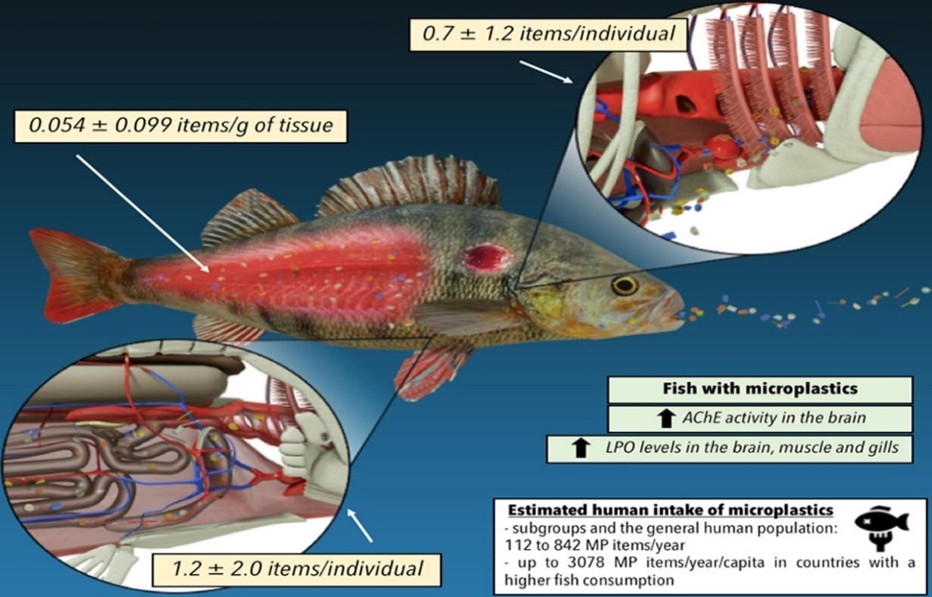
Figure 1: Distribution of microplastics in fish (Barboza et al., 2019)
Stunted Growth: When Fish Eat Plastic Instead of Food
One of the most immediate and visible consequences of microplastic exposure is impaired growth. Studies show that fish ingesting MPs often experience reduced growth rates and poorer feed conversion efficiency (Milo, 2025). Inside the digestive system, microplastics can cause physical abrasion, blockages, and reduced digestive enzyme activity. This disrupts nutrient absorption, meaning fish may feel “full” but receive little nutritional benefit. In controlled studies, tilapia (Oreochromis niloticus) fed a diet containing polyvinyl chloride (PVC) microplastics showed significant reductions in body weight, growth rate, and survival (Putra et al., 2024). Over time, this inefficient energy use can reduce overall biomass production, ultimately lowering yields in aquaculture systems (Aquaculture International, 2026).
Weakened Immunity: A Silent Threat to Fish Health
Beyond growth, microplastics also affect fish health at the cellular level. Exposure triggers oxidative stress—an imbalance caused by excessive production of reactive oxygen species (ROS)—leading to inflammation and cellular damage (Bhat et al., 2024).
This weakens the immune system, making fish more vulnerable to infections caused by bacteria, viruses, and parasites (Milo, 2025). Compounding the problem, microplastics can act as carriers for harmful microorganisms and even antibiotic-resistant genes, accelerating disease transmission in aquatic environments (Bhat et al., 2024). In intensive aquaculture systems, where fish are kept at high densities, such effects can rapidly escalate into disease outbreaks, significantly affecting productivity.
Reproductive Disruption: Risks to Future Fish Stocks
Microplastics not only affect current fish populations, but they may also threaten future generations. Research shows that MPs can interfere with hormonal systems, disrupting endocrine regulation and reproductive processes (Bhat et al., 2024). This includes reduced fecundity (egg production), poor gamete quality, and lower spawning success. Over time, such effects can reduce recruitment rates in wild populations and compromise breeding efficiency in aquaculture hatcheries (Bhat et al., 2024). The long-term implication is clear: fewer healthy fish entering the population pipeline.
Aquaculture Under Pressure: A Unique Exposure Pathway
Aquaculture systems are particularly vulnerable to microplastic contamination due to multiple exposure routes. MPs can enter through water sources, degraded plastic equipment (such as nets and tanks), and, critically, commercial fish feed (Devi et al., 2024). Recent studies have confirmed the presence of microplastics in aquafeeds across global markets, identifying feed as a major and continuous source of exposure (Devi et al., 2024). Once ingested regularly, MPs can accumulate in fish tissues and induce chronic stress. Additionally, these particles may carry heavy metals and endocrine-disrupting chemicals, further amplifying their toxic effects on metabolism and immunity (Feed Business MEA, 2024). This growing concern has positioned microplastics as a significant issue in aquaculture sustainability and food safety (TrAC Trends in Analytical Chemistry, 2024).
Economic and Food Security Implications
The biological impacts of microplastics extend beyond fish health; they directly affect fisheries economics and global food security. Reduced growth rates can prolong production cycles, while increased disease susceptibility raises mortality rates and operational costs (Bhat et al., 2024; Milo, 2025). At the same time, impaired reproduction limits stock availability, affecting both wild fisheries and aquaculture outputs. Given that fish is a major protein source for billions of people worldwide, especially in developing regions, these productivity losses could have serious implications for food supply and livelihoods.
Conclusion
From reduced growth and weakened immunity to impaired reproduction, microplastics pose a multifaceted threat to fisheries productivity. In aquaculture systems, continuous exposure through feed and water further intensifies these risks. As microplastic pollution continues to rise, addressing this invisible contaminant is no longer just an environmental issue. it is a critical step toward safeguarding sustainable fisheries and global food security.
References
Barboza, L. G. A., et al. (2019). Microplastics in wild fish from North East Atlantic Ocean and its potential for causing neurotoxic effects, lipid oxidative damage, and human health risks associated with ingestion exposure. Science of the Total Environment, 717, 134625.
Teuten, E. L., et al. (2009). Transport and release of chemicals from plastics to the environment and to wildlife. Philosophical Transactions of the Royal Society B, 364(1526), 2027–2045.
Frias, J. P. G. L., et al. (2010). Organic pollutants in microplastics from two beaches of the Portuguese coast. Marine Pollution Bulletin, 60(11), 1988–1992.
Hahladakis, J. N., et al. (2018). An overview of chemical additives present in plastics: Migration, release, fate and environmental impact. Journal of Hazardous Materials, 344, 179–199.
Vedolin, M. C., et al. (2018). Marine debris ingestion by sea turtles: A global review. Environmental Pollution, 237, 272–280.
Milo, S. (2025). Microplastics in farmed aquatic animals and emerging food safety concerns. Journal of Aquaculture Research & Development, 16, 985.
Putra, E. W., Setyono, B. D. H., & Alim, S. (2024). The effect of exposure to microplastic polyvinyl chloride (PVC) in feed on the growth and survival of tilapia (Oreochromis niloticus). Journal of Fish Health, 4(2), 42–51.
Aquaculture International. (2026). Microplastic exposure reduces multi-trophic biomass yield in freshwater aquaculture systems.
Bhat, R. A., et al. (2024). Impact of microplastics and nanoplastics on fish health and reproduction. Aquaculture, 590, 741037.
Devi, S. S., Jayan, S., & Kumar, A. B. (2024). Microplastic assessment in aquaculture feeds: Analyzing polymer variability across commercial fishfeeds from three continents. Journal of Hazardous Materials, 135621.
Feed Business MEA. (2024). Microplastic contamination in aquaculture feed and its implications.
TrAC Trends in Analytical Chemistry. (2024). Microplastics in aquafeeds: Occurrence, sources, effects and considerations for aquatic food production.
