
Honey, the Forest’s Golden Treasure: A Natural Defense Against Environmental Toxins
Introduction
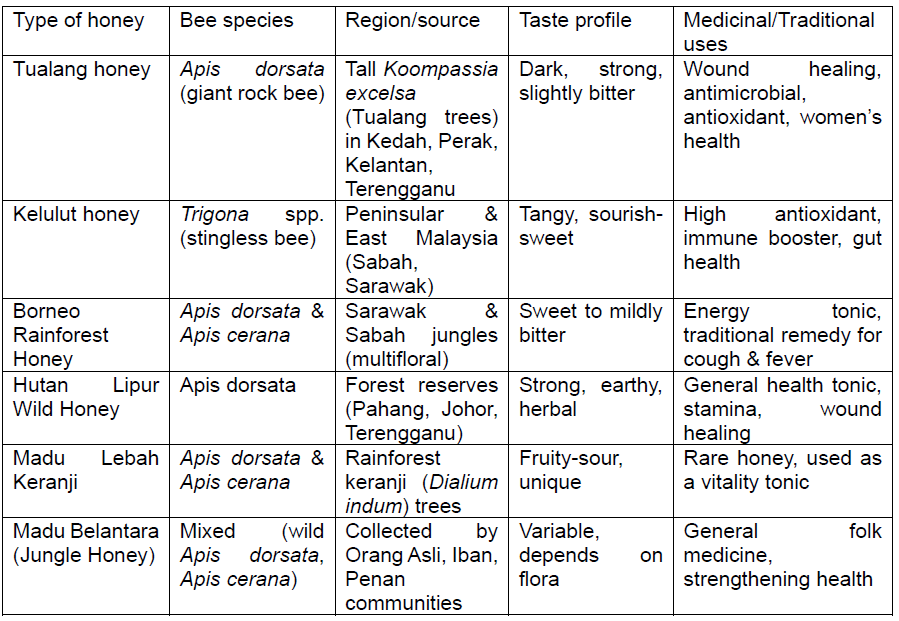
Malaysia is home to one of the world’s oldest tropical rainforests and is widely recognised for its rich biodiversity and valuable forest resources, including honey. Malaysian honeys, such as Tualang and Kelulut, have gained increasing scientific attention due to their bioactive properties and therapeutic potential (Figures 1 and 2) (Ranneh et al., 2018). In general, local Malaysian honeys possess a broadly similar chemical composition. Honey primarily consists of carbohydrates (approximately 75–80%), mainly fructose and glucose, with small amounts of sucrose, maltose, and other oligosaccharides (Da Silva et al., 2016). It also contains water (15–20%), organic acids—predominantly gluconic acid, which contributes to its acidic pH (3.2–4.5)—as well as proteins and enzymes such as invertase, glucose oxidase, catalase, and diastase (Da Silva et al., 2016). Additionally, honey contains amino acids (notably proline), small amounts of B-complex vitamins and vitamin C, essential minerals including potassium, calcium, magnesium, sodium, iron, and zinc, as well as phenolic compounds and flavonoids, which are largely responsible for its antioxidant capacity (Cianciosi et al., 2018). Volatile compounds further contribute to honey’s characteristic aroma and flavour profile. Table 1 below shows the types and some general information about Malaysian tropical rainforest honey.
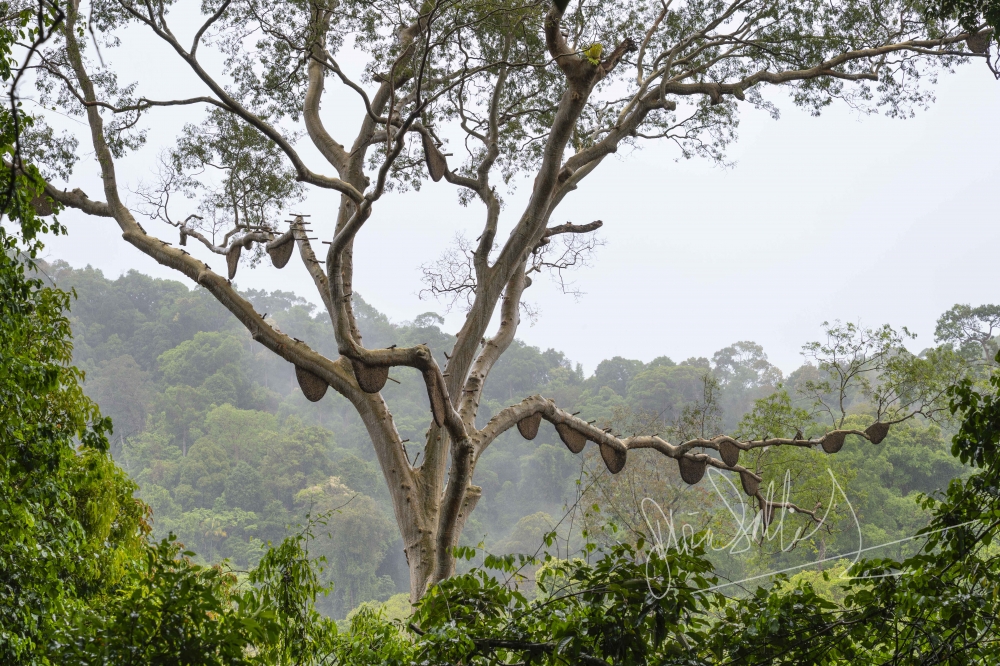
Figure 1: Tualang tree. Source: https://matsudamashimaru.com
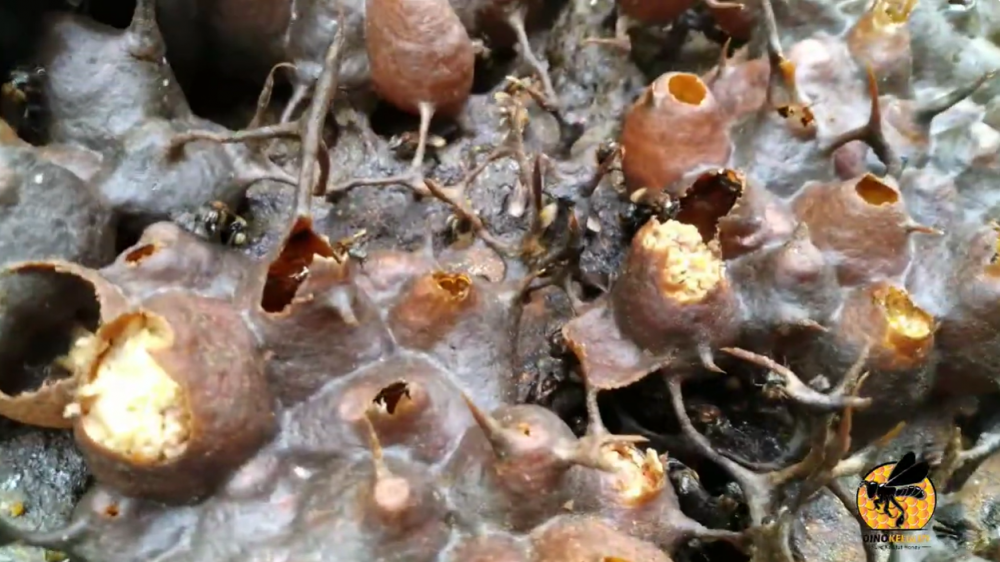
Figure 2: Kelulut honey. Source: Dino kelulut Youtube page
Table 1: Types of Malaysian tropical Rainforest honey and their general information on forager bees, region, taste, and medicinal uses.
Mechanism of Honey as a Natural Defense Against Environmental Toxins
Honey acts as a natural defense against environmental toxins through multiple complementary mechanisms. Its phenolic acids and flavonoids exhibit strong antioxidant activity by scavenging reactive oxygen species (ROS) generated by toxicants such as heavy metals, pesticides, air pollutants, and endocrine-disrupting chemicals (Alvarez-Suarez et al., 2018). By attenuating oxidative stress, honey helps protect cellular lipids, proteins, and DNA from damage. Furthermore, honey has been reported to enhance endogenous antioxidant defense systems by increasing the activity of superoxide dismutase (SOD), catalase (CAT), and glutathione peroxidase (GPx), thereby supporting redox homeostasis (Ranneh et al., 2018).
In addition to its antioxidant properties, honey demonstrates significant anti-inflammatory effects by modulating pro-inflammatory mediators, including tumor necrosis factor-alpha (TNF-α), interleukin-6 (IL-6), and nuclear factor-kappa B (NF-κB) signaling pathways (Samarghandian et al., 2017). Experimental evidence also suggests that certain types of honey may reduce heavy metal bioaccumulation and regulate apoptosis-related pathways, offering protection against cadmium- and lead-induced tissue toxicity. Collectively, these mechanisms support honey’s promising role as a natural therapeutic agent in mitigating oxidative, inflammatory, and cellular damage associated with environmental pollutant exposure.
In addition to its antioxidant properties, honey demonstrates significant anti-inflammatory effects by modulating pro-inflammatory mediators, including tumor necrosis factor-alpha (TNF-α), interleukin-6 (IL-6), and nuclear factor-kappa B (NF-κB) signaling pathways (Samarghandian et al., 2017). Experimental evidence also suggests that certain types of honey may reduce heavy metal bioaccumulation and regulate apoptosis-related pathways, offering protection against cadmium- and lead-induced tissue toxicity. Collectively, these mechanisms support honey’s promising role as a natural therapeutic agent in mitigating oxidative, inflammatory, and cellular damage associated with environmental pollutant exposure.
Conclusion
In conclusion, honey can be regarded as a highly valuable forest resource for human health, particularly in an era where humans are continuously exposed to various toxic chemicals. Therefore, the practice of consuming honey daily in appropriate amounts is highly beneficial and should be adopted as part of a regular health regimen worldwide.
References
Alvarez-Suarez, J. M., Giampieri, F., & Battino, M. (2018). Honey as a source of dietary antioxidants: Structures, bioavailability and evidence of protective effects against human chronic diseases. Current Medicinal Chemistry, 25(35), 4497–4515. https://doi.org/10.2174/0929867324666170904121608
Cianciosi, D., Forbes-Hernández, T. Y., Afrin, S., Gasparrini, M., Reboredo-Rodriguez, P., Manna, P. P., ... Battino, M. (2018). Phenolic compounds in honey and their associated health benefits: A review. Molecules, 23(9), 2322. https://doi.org/10.3390/molecules23092322
Da Silva, P. M., Gauche, C., Gonzaga, L. V., Costa, A. C. O., & Fett, R. (2016). Honey: Chemical composition, stability and authenticity. Food Chemistry, 196, 309–323. https://doi.org/10.1016/j.foodchem.2015.09.051
Ranneh, Y., Ali, F., Zarei, M., Akim, A. M., Hamid, H. A., & Khazaai, H. (2018). Malaysian stingless bee and Tualang honeys: A comparative characterization of total antioxidant capacity and phenolic profile using liquid chromatography–mass spectrometry. LWT – Food Science and Technology, 89, 1–9. https://doi.org/10.1016/j.lwt.2017.10.020
Samarghandian, S., Farkhondeh, T., & Samini, F. (2017). Honey and health: A review of recent
Samarghandian, S., Farkhondeh, T., & Samini, F. (2017). Honey and health: A review of recent clinical research. Pharmacognosy Research, 9(2), 121–127. https://doi.org/10.4103/pr.pr_86_16
Cianciosi, D., Forbes-Hernández, T. Y., Afrin, S., Gasparrini, M., Reboredo-Rodriguez, P., Manna, P. P., ... Battino, M. (2018). Phenolic compounds in honey and their associated health benefits: A review. Molecules, 23(9), 2322. https://doi.org/10.3390/molecules23092322
Da Silva, P. M., Gauche, C., Gonzaga, L. V., Costa, A. C. O., & Fett, R. (2016). Honey: Chemical composition, stability and authenticity. Food Chemistry, 196, 309–323. https://doi.org/10.1016/j.foodchem.2015.09.051
Ranneh, Y., Ali, F., Zarei, M., Akim, A. M., Hamid, H. A., & Khazaai, H. (2018). Malaysian stingless bee and Tualang honeys: A comparative characterization of total antioxidant capacity and phenolic profile using liquid chromatography–mass spectrometry. LWT – Food Science and Technology, 89, 1–9. https://doi.org/10.1016/j.lwt.2017.10.020
Samarghandian, S., Farkhondeh, T., & Samini, F. (2017). Honey and health: A review of recent
Samarghandian, S., Farkhondeh, T., & Samini, F. (2017). Honey and health: A review of recent clinical research. Pharmacognosy Research, 9(2), 121–127. https://doi.org/10.4103/pr.pr_86_16
