
Bacteria and Pollutant: The Evolution of Pollutant‑Degrading Enzymes
Our modern world is filled with pollutants. From the start of the Industrial Revolution in the mid‑1700s in Britain and after the discovery of oil a century later, innovations flourished. Roads and factories were built, and many beneficial compounds were created. Among these were plastics and man‑made pesticides; two things once regarded as harmless but now known to persist in the environment and cause adverse effects to humans and other organisms.
The persistence of these man‑made compounds, also known as xenobiotics, is partly due to the absence of microbes that can degrade them. Unlike naturally occurring compounds that have existed in the environment for millennia, xenobiotics have existed for less than 3 centuries. This shorter timeframe has not allowed most microbes to adapt to their existence and break them down. However, some microbes, particularly bacteria, have managed to develop enzymes capable of degrading these pollutants despite the short timeframe. The development of these pollutant‑degrading enzymes is driven by three factors: exposure to pollutants, gene mutations, and survival of the fittest.
As mentioned, xenobiotics do not occur naturally in the environment; they are created to improve our lives. Inevitably, they are introduced to the environment. For example, artificial pesticides were created to support agriculture because of their superior performance compared to natural pesticides. Their usage has allowed food production to increase to feed the growing population. However, when applied to agricultural land, artificial pesticides seep into the soil. Plastics, another widely used xenobiotic today for convenience, are eventually discarded and many end up in the environment and even in our bodies, where they cause various health issues. Over time, these compounds become environmental pollutants and act as stressors on surrounding bacteria. Therefore, in areas where these pollutants are present, bacteria must learn to live with them.
One way bacteria cope with exposure to pollutants is by developing the ability to degrade them. To understand this, we must remember that all living things, including bacteria, have DNA in their cells. Genes (small segments of DNA) contain codes that produce enzymes, proteins that help catalyse reactions in the organism. DNA replicates during cell division (the process by which one cell becomes two cells), allowing each cell to have the same copy of the DNA. However, errors that alter the gene's coding sequence may occur during DNA replication, and these changes are known as mutations. Mutations occur naturally but can happen more frequently when cells are exposed to stressors such as UV light or chemicals. While most mutations are corrected by the cell, some escape repair and persist.
Mutations can be harmful. In humans, they can lead to cancer, and in bacteria, they may be lethal. However, not all mutations are bad. Some mutations change enzymes in ways that benefit them, giving them new functions. For example, in plants, a mutation may increase drought tolerance, which is extremely useful for survival in a warming climate.
Similarly, mutations help bacteria to adapt to their surroundings. When pollutants are introduced into the environment, they act as stressors because they can be toxic and block bacteria’s access to food. As a result, some bacteria die, while others survive. Those that survive do so because of mutations in their genes that allow them to utilise pollutants as a food source. This phenomenon aligns with the concept of survival of the fittest, which holds that those who have an advantage over others will survive, while those who do not will not. By utilising pollutants as a food source, the surviving bacteria thrive in a pollutant-laden environment while helping clean it up.
From the points mentioned above, we now know that bacteria develop pollutant‑degrading abilities due to three factors: exposure to pollutants, gene mutations, and survival of the fittest. Scientists, particularly microbiologists, biotechnologists, and enzymologists, are working together to find the best ways to utilise these bacterial abilities to remediate pollutants from the environment. This process, known as bioremediation, is widely considered the most sustainable way to remove pollutants because it does not require chemical or mechanical methods that could further disturb or harm the ecosystem. As research in this field advances, scientists hope to further enhance these natural processes, paving the way for cleaner and healthier ecosystems.
The persistence of these man‑made compounds, also known as xenobiotics, is partly due to the absence of microbes that can degrade them. Unlike naturally occurring compounds that have existed in the environment for millennia, xenobiotics have existed for less than 3 centuries. This shorter timeframe has not allowed most microbes to adapt to their existence and break them down. However, some microbes, particularly bacteria, have managed to develop enzymes capable of degrading these pollutants despite the short timeframe. The development of these pollutant‑degrading enzymes is driven by three factors: exposure to pollutants, gene mutations, and survival of the fittest.
As mentioned, xenobiotics do not occur naturally in the environment; they are created to improve our lives. Inevitably, they are introduced to the environment. For example, artificial pesticides were created to support agriculture because of their superior performance compared to natural pesticides. Their usage has allowed food production to increase to feed the growing population. However, when applied to agricultural land, artificial pesticides seep into the soil. Plastics, another widely used xenobiotic today for convenience, are eventually discarded and many end up in the environment and even in our bodies, where they cause various health issues. Over time, these compounds become environmental pollutants and act as stressors on surrounding bacteria. Therefore, in areas where these pollutants are present, bacteria must learn to live with them.
One way bacteria cope with exposure to pollutants is by developing the ability to degrade them. To understand this, we must remember that all living things, including bacteria, have DNA in their cells. Genes (small segments of DNA) contain codes that produce enzymes, proteins that help catalyse reactions in the organism. DNA replicates during cell division (the process by which one cell becomes two cells), allowing each cell to have the same copy of the DNA. However, errors that alter the gene's coding sequence may occur during DNA replication, and these changes are known as mutations. Mutations occur naturally but can happen more frequently when cells are exposed to stressors such as UV light or chemicals. While most mutations are corrected by the cell, some escape repair and persist.
Mutations can be harmful. In humans, they can lead to cancer, and in bacteria, they may be lethal. However, not all mutations are bad. Some mutations change enzymes in ways that benefit them, giving them new functions. For example, in plants, a mutation may increase drought tolerance, which is extremely useful for survival in a warming climate.
Similarly, mutations help bacteria to adapt to their surroundings. When pollutants are introduced into the environment, they act as stressors because they can be toxic and block bacteria’s access to food. As a result, some bacteria die, while others survive. Those that survive do so because of mutations in their genes that allow them to utilise pollutants as a food source. This phenomenon aligns with the concept of survival of the fittest, which holds that those who have an advantage over others will survive, while those who do not will not. By utilising pollutants as a food source, the surviving bacteria thrive in a pollutant-laden environment while helping clean it up.
From the points mentioned above, we now know that bacteria develop pollutant‑degrading abilities due to three factors: exposure to pollutants, gene mutations, and survival of the fittest. Scientists, particularly microbiologists, biotechnologists, and enzymologists, are working together to find the best ways to utilise these bacterial abilities to remediate pollutants from the environment. This process, known as bioremediation, is widely considered the most sustainable way to remove pollutants because it does not require chemical or mechanical methods that could further disturb or harm the ecosystem. As research in this field advances, scientists hope to further enhance these natural processes, paving the way for cleaner and healthier ecosystems.
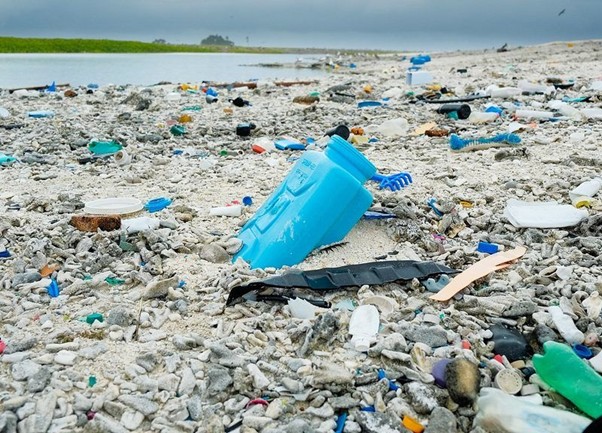
Figure 1: Plastic pollution in the environment. Source: Creative Commons
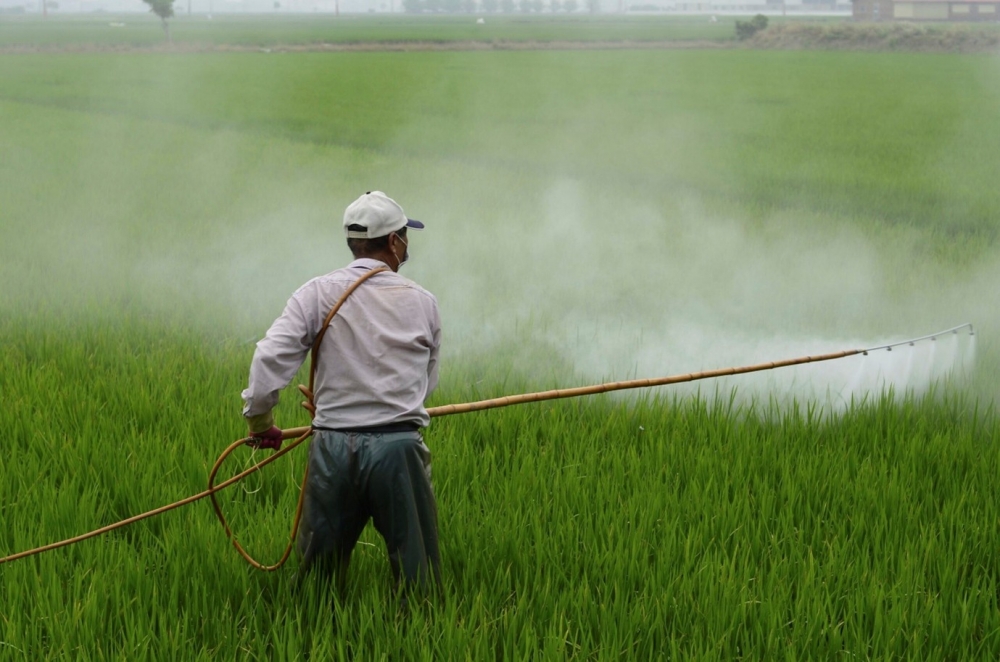
Figure 2: Pesticide application on agricultural soil that may cause pollution to environment. Source: Creative Commons
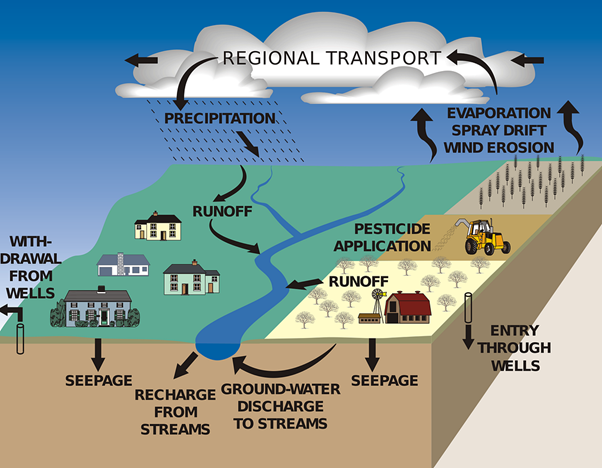
Figure 3: How pesticide travels in the environment. Source: Creative Commons
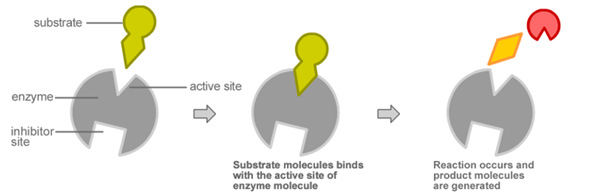
Figure 4: Degradation of pollutant (labelled as substrate) by pollutant-degrading enzyme (coloured grey). Source: Creative Commons
