

Towards Climate-Responsive Planning and Development Control Laws in Malaysia
Introduction
Climate change is one of the most critical challenges for environmental governance in the twenty-first century. It has extensive implications for environmental sustainability, socio-economic stability, and spatial development patterns. Globally, scientific assessments have established that climate change is intensifying existing environmental pressures through rising temperatures, changes in precipitation and sea-level rise. Climate change has also led to increased frequency and intensity of extreme weather events. These changes directly affect the environment, the economy, and human settlements, thereby altering the context in which development decisions are made.
In Malaysia, climate change challenges such as natural disasters, floods, droughts, sea level rise, and warming are also imminent. As such, climate change not only affects environmental sustainability but also the governance framework (Lestari et al.,2024; NRES, 2024). These natural disasters pose greater risks to people, natural ecosystems, and the country’s economy. As development expands into flood-prone, coastal, and environmentally vulnerable areas, climate change heightens the risks and challenges posed by conventional development approaches. Therefore, climate change is a critical issue affecting the environment and the processes of spatial planning and development control.
Malaysia’s climate change strategy is grounded in its global commitments under the United Nations Framework Convention on Climate Change (UNFCCC), including the Paris Agreement and its Nationally Determined Contributions. These international agreements impose obligations on their member states, including Malaysia, to implement effective mitigation and adaptation measures in all sectors and spatial levels. In addition, the International Court of Justice, in its advisory opinion last year, held that safeguarding the climate system is an erga omnes obligation owed by all states under international customary law to the international community rather than to specific nations. Because these obligations are owed to all, any country and perhaps individuals may invoke responsibility for a breach of this obligation against another state in the future. Therefore, it is important for Malaysia to take these international obligations seriously and in good faith.
Spatial planning is an essential element of climate change mitigation and adaptation strategies that address energy demand, transport demand, vulnerability to natural hazards, and protection of natural habitats, depending on location and structure, density, and land-use planning (Juschten et al., 2025; Busayo et al., 2019). In addition, land-use planning with climate change resilience is related to SDG Goal 13 (Climate Action) and SDG Goal 11 (Sustainable Cities and Communities). These global goals should be implemented at the national level in each country. This is a key step toward ensuring that all planning undertaken is climate resilient (Klimas, 2020).
In Malaysia, climate change challenges such as natural disasters, floods, droughts, sea level rise, and warming are also imminent. As such, climate change not only affects environmental sustainability but also the governance framework (Lestari et al.,2024; NRES, 2024). These natural disasters pose greater risks to people, natural ecosystems, and the country’s economy. As development expands into flood-prone, coastal, and environmentally vulnerable areas, climate change heightens the risks and challenges posed by conventional development approaches. Therefore, climate change is a critical issue affecting the environment and the processes of spatial planning and development control.
Malaysia’s climate change strategy is grounded in its global commitments under the United Nations Framework Convention on Climate Change (UNFCCC), including the Paris Agreement and its Nationally Determined Contributions. These international agreements impose obligations on their member states, including Malaysia, to implement effective mitigation and adaptation measures in all sectors and spatial levels. In addition, the International Court of Justice, in its advisory opinion last year, held that safeguarding the climate system is an erga omnes obligation owed by all states under international customary law to the international community rather than to specific nations. Because these obligations are owed to all, any country and perhaps individuals may invoke responsibility for a breach of this obligation against another state in the future. Therefore, it is important for Malaysia to take these international obligations seriously and in good faith.
Spatial planning is an essential element of climate change mitigation and adaptation strategies that address energy demand, transport demand, vulnerability to natural hazards, and protection of natural habitats, depending on location and structure, density, and land-use planning (Juschten et al., 2025; Busayo et al., 2019). In addition, land-use planning with climate change resilience is related to SDG Goal 13 (Climate Action) and SDG Goal 11 (Sustainable Cities and Communities). These global goals should be implemented at the national level in each country. This is a key step toward ensuring that all planning undertaken is climate resilient (Klimas, 2020).

Figure 1: Flash flood in Sepang after heavy rain. Sumber: Bernama, 2024
In Malaysia, the Town and Country Planning Act 1976 (TCPA) governs spatial planning and development control. The structure of the statutory spatial plans follows a three-level governance framework consisting of a national, state, and local level of planning. Accordingly, the framework translates the country’s spatial planning into the National Physical Plan, the State Structure Plan, and the Local Plan. Each level of planning must align with the policies and strategies at the level above. The Local Plan is the gazetted planning document that regulates land use zoning, density, and use-class orders. Under subsection 12(3) of the TCPA, it is legally required to include a map and written statements addressing land development, environmental management, and physical planning matters as determined by the Local Planning Authority and the State Planning Committee. Subsection 19(1) of TCPA provides that every proposed development must obtain Planning Permission (KM) from the Local Planning Authority before the development can be commenced, carried out or undertaken on the development site. Whereas subsections 22(2) and 22(4) of the TCPA laid the general rule requiring the planning permission for any development to comply with the Local Plan.
Conceptually, planning permission is the implementation stage to achieve sustainable development. The policies from the federal and state levels such as the National Physical Plan (RFN), National Urbanisation Policy (DPN), National Rural Physical Planning Policy (DPF Desa Negara), New Urban Agenda (NUA), Low Carbon Society (LCS), and Sustainable Development Goal (SDG) are adapted and translated into actions that can be implemented physically and spatially through the Local Plan, which will be referred to when considering the Planning Permission approvals (Figure 2). Planning Permission must be obtained before other permits for a development project are approved. Without Planning Permission, applications for approval of the main construction permits, the Road and Drainage Plans, Building Plans and Earthworks Plans cannot be considered by the Local Authority as provided in subsections 9(2) and 70(3) of the Street, Drainage and Building Act 1974. All construction permit approvals must comply with any conditions of the Planning Permission granted.
Conceptually, planning permission is the implementation stage to achieve sustainable development. The policies from the federal and state levels such as the National Physical Plan (RFN), National Urbanisation Policy (DPN), National Rural Physical Planning Policy (DPF Desa Negara), New Urban Agenda (NUA), Low Carbon Society (LCS), and Sustainable Development Goal (SDG) are adapted and translated into actions that can be implemented physically and spatially through the Local Plan, which will be referred to when considering the Planning Permission approvals (Figure 2). Planning Permission must be obtained before other permits for a development project are approved. Without Planning Permission, applications for approval of the main construction permits, the Road and Drainage Plans, Building Plans and Earthworks Plans cannot be considered by the Local Authority as provided in subsections 9(2) and 70(3) of the Street, Drainage and Building Act 1974. All construction permit approvals must comply with any conditions of the Planning Permission granted.
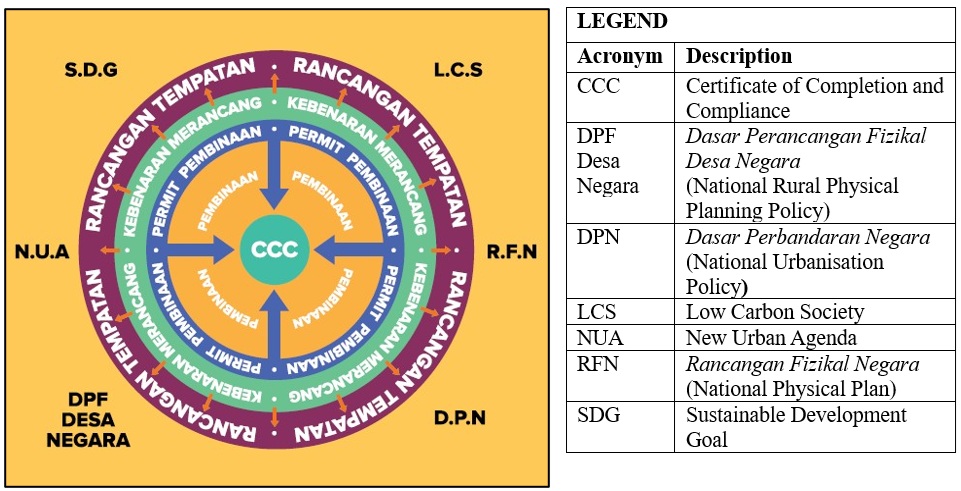
Figure 2:Development Nucleus. Sumber: Jabatan Kerajaan Tempatan, 2019
Gaps in existing planning and development controls
National and international climate policies continue to develop extensively in line with recent governance decisions and scientific findings. However, the integration of climate change mitigation and adaptation into local plans and planning permission approval processes in Malaysia is still limited. Climate policies set at the federal and state levels are not consistently translated into planning legislation or development control decisions.
There is a structural gap between climate policy and statutory planning law. The governance of climate change in the Malaysian context is formed by policies such as the National Policy on Climate Change 2.0 and Malaysia’s Nationally Determined Commitments under the Paris Agreement. In the Malaysian town and country planning sector, Local Agenda 21 has been implemented since 2000, involving Local Authorities, communities, and the private sector in planning together and taking responsibility for a sustainable environment at the local level. In addition, a tool such as the Malaysian Urban Rural National Indicators Network (MURNInet) has been developed to monitor the sustainability performance of local authorities using structured environmental and socio-economic indicators. Also, the Fourth National Physical Plan has a specific focus on spatial sustainability and climate change resilience. Those policies emphasise climate-resilient cities, low-carbon development, and sustainable land management. However, the Town and Country Planning Act 1976 does not explicitly address climate change in the preparation of local plans or in decision-making on planning permission. Therefore, most planning authorities consider climate change to be non-mandatory rather than mandatory. This leads to inconsistent interpretation and application across planning authorities in Malaysia.
In the absence of any legislative provision on climate change in the TCPA, the planning permission approval remains limited in addressing the issue. Issues related to climate change are typically considered during the construction phase through technical measures to mitigate their effects. However, such measures should have been taken during the planning permission approval, in accordance with the local plan. Failure to address the issue of climate change during the approval for the planning permission may result in development approvals that prioritise the short-term development objectives without considering the future climate-related vulnerabilities such as flooding, heat stress, and degradation of ecosystems (Liss et al., 2025).
These issues highlight gaps in Malaysia’s statutory planning system. Climate change is acknowledged at the policy level but remains weakly institutionalised in legally binding planning instruments and development control practices on the ground. We witness, year by year, the growing impacts of climate change on Malaysians, especially vulnerable groups, and its adverse effects on the country’s ecosystems and biodiversity. Therefore, it is timely for Malaysia to take decisive steps to integrate climate change into its planning laws and frameworks.
There is a structural gap between climate policy and statutory planning law. The governance of climate change in the Malaysian context is formed by policies such as the National Policy on Climate Change 2.0 and Malaysia’s Nationally Determined Commitments under the Paris Agreement. In the Malaysian town and country planning sector, Local Agenda 21 has been implemented since 2000, involving Local Authorities, communities, and the private sector in planning together and taking responsibility for a sustainable environment at the local level. In addition, a tool such as the Malaysian Urban Rural National Indicators Network (MURNInet) has been developed to monitor the sustainability performance of local authorities using structured environmental and socio-economic indicators. Also, the Fourth National Physical Plan has a specific focus on spatial sustainability and climate change resilience. Those policies emphasise climate-resilient cities, low-carbon development, and sustainable land management. However, the Town and Country Planning Act 1976 does not explicitly address climate change in the preparation of local plans or in decision-making on planning permission. Therefore, most planning authorities consider climate change to be non-mandatory rather than mandatory. This leads to inconsistent interpretation and application across planning authorities in Malaysia.
In the absence of any legislative provision on climate change in the TCPA, the planning permission approval remains limited in addressing the issue. Issues related to climate change are typically considered during the construction phase through technical measures to mitigate their effects. However, such measures should have been taken during the planning permission approval, in accordance with the local plan. Failure to address the issue of climate change during the approval for the planning permission may result in development approvals that prioritise the short-term development objectives without considering the future climate-related vulnerabilities such as flooding, heat stress, and degradation of ecosystems (Liss et al., 2025).
These issues highlight gaps in Malaysia’s statutory planning system. Climate change is acknowledged at the policy level but remains weakly institutionalised in legally binding planning instruments and development control practices on the ground. We witness, year by year, the growing impacts of climate change on Malaysians, especially vulnerable groups, and its adverse effects on the country’s ecosystems and biodiversity. Therefore, it is timely for Malaysia to take decisive steps to integrate climate change into its planning laws and frameworks.
Integrating climate change into planning and development controls
Climate change must be better mainstreamed into Malaysia’s town and country planning policy and law. This is to ensure the country’s physical development is planned properly to mitigate the adverse impacts of climate change and enable better adaptation. A step toward this course of action is to integrate climate change considerations into development plans and their implementation at the planning permission approval stage.
Besides that, climate change mitigation and adaptation should be more widely considered in Local Plans. This includes the designation of climate-sensitive zoning, the protection of environmentally sensitive areas and carbon sinks, and the integration of green and blue infrastructure into land use strategies. Information on land uses at risk, based on climate projections and hazard assessments, helps reduce long-term exposure to climate risks. The Local Plan should include the identification and mapping of areas vulnerable to future flood risks, heat stress, coastal flooding, and landslides. Furthermore, controls can be implemented through land-use zoning, density and plot-ratio setting, and development conditions, especially in high-risk areas, to avoid long-term exposure to climate-related hazards. By incorporating these requirements into Local Plans, local authorities can provide a clearer, more enforceable framework for climate-responsive, resilient development.
For planning permission, it is the stage where climate action needs to be implemented. Planning permission approval will translate strategic climate policy through technical requirements set by technical agencies into spatial requirements. These include requirements relating to low-carbon urban form, energy efficient design, flood-resilient layouts, the integration of nature-based solutions and long-term climate risk assessments as part of development proposals. Aside from technical compliance, the conditions for the approval of planning permissions can also be used to direct development and ensure that approved developments contribute to climate-resilient and low-carbon development pathways.
Apart from that, strengthening the capacity of local planning authorities can be achieved by integrating clearer, more explicit climate change considerations into the Town and Country Planning Act 1976. Improvements to implementation planning guidance, better inter-agency coordination, and more enforceable policies are necessary to ensure that climate policy is interpreted and applied consistently through statutory development plans and planning permission decisions. Streamlining the Town and Country Planning Act 1976 (TCPA) is essential to ensure that the Malaysian planning legislative framework includes provisions to address climate change. Development plans must consider aspects of climate change mitigation and adaptation. This will ensure that climate-responsive zoning, appropriate site selection and environmental protection are embedded in legally binding Local Plans.
For development control purposes, to ensure that any development implemented achieves a level of sustainability and resilience to climate change, the TCPA should include provisions that mandate climate change as one of the planning considerations to be enforced in the approval of planning permission. By providing clear statutory guidance, the Act can reduce ambiguity in interpretation and ensure that climate-related requirements are set consistently in development control decisions.
Besides that, climate change mitigation and adaptation should be more widely considered in Local Plans. This includes the designation of climate-sensitive zoning, the protection of environmentally sensitive areas and carbon sinks, and the integration of green and blue infrastructure into land use strategies. Information on land uses at risk, based on climate projections and hazard assessments, helps reduce long-term exposure to climate risks. The Local Plan should include the identification and mapping of areas vulnerable to future flood risks, heat stress, coastal flooding, and landslides. Furthermore, controls can be implemented through land-use zoning, density and plot-ratio setting, and development conditions, especially in high-risk areas, to avoid long-term exposure to climate-related hazards. By incorporating these requirements into Local Plans, local authorities can provide a clearer, more enforceable framework for climate-responsive, resilient development.
For planning permission, it is the stage where climate action needs to be implemented. Planning permission approval will translate strategic climate policy through technical requirements set by technical agencies into spatial requirements. These include requirements relating to low-carbon urban form, energy efficient design, flood-resilient layouts, the integration of nature-based solutions and long-term climate risk assessments as part of development proposals. Aside from technical compliance, the conditions for the approval of planning permissions can also be used to direct development and ensure that approved developments contribute to climate-resilient and low-carbon development pathways.
Apart from that, strengthening the capacity of local planning authorities can be achieved by integrating clearer, more explicit climate change considerations into the Town and Country Planning Act 1976. Improvements to implementation planning guidance, better inter-agency coordination, and more enforceable policies are necessary to ensure that climate policy is interpreted and applied consistently through statutory development plans and planning permission decisions. Streamlining the Town and Country Planning Act 1976 (TCPA) is essential to ensure that the Malaysian planning legislative framework includes provisions to address climate change. Development plans must consider aspects of climate change mitigation and adaptation. This will ensure that climate-responsive zoning, appropriate site selection and environmental protection are embedded in legally binding Local Plans.
For development control purposes, to ensure that any development implemented achieves a level of sustainability and resilience to climate change, the TCPA should include provisions that mandate climate change as one of the planning considerations to be enforced in the approval of planning permission. By providing clear statutory guidance, the Act can reduce ambiguity in interpretation and ensure that climate-related requirements are set consistently in development control decisions.
Conclusion
Climate change should no longer be treated as a peripheral environmental consideration in the Malaysian planning system. The Town and Country Planning Act 1976, Local Plans and planning permission processes are planning tools that regulate land use, development intensity and environmental management. As such, they are essential for shaping development patterns that can reduce long-term climate-related risks. Local Plans and planning permission are essential for the implementation of effective climate change mitigation and adaptation strategies as they are the primary references that will enable climate policies to be implemented.
Integration into statutory planning practice remains limited despite strong national and international commitments to climate change policy. The absence of explicit climate change provisions in the TCPA, coupled with minimal climate change considerations in Local Plans and planning permission decisions, has created a governance gap between climate policy and development implementation. Therefore, the processes of development control are likely to continue prioritising the immediate needs of the economy and technical issues, thereby increasing the likelihood of carbon-intensive and climate-vulnerable development trajectories.
To ensure climate-resilient development, it is crucial to incorporate climate change mitigation and adaptation into Local Plans and planning permission decisions. Strengthening climate change as a planning requirement under the TCPA is likely to enhance sustainability and climate resilience in planning practice. Finally, embracing Local Plans and planning permission as strategic planning tools for climate governance will translate climate policies into spatial planning and implementation at development sites, supporting Malaysia’s international climate commitments while protecting environmental sustainability, reducing vulnerability across settlements and communities and increasing resilience across the country.
Integration into statutory planning practice remains limited despite strong national and international commitments to climate change policy. The absence of explicit climate change provisions in the TCPA, coupled with minimal climate change considerations in Local Plans and planning permission decisions, has created a governance gap between climate policy and development implementation. Therefore, the processes of development control are likely to continue prioritising the immediate needs of the economy and technical issues, thereby increasing the likelihood of carbon-intensive and climate-vulnerable development trajectories.
To ensure climate-resilient development, it is crucial to incorporate climate change mitigation and adaptation into Local Plans and planning permission decisions. Strengthening climate change as a planning requirement under the TCPA is likely to enhance sustainability and climate resilience in planning practice. Finally, embracing Local Plans and planning permission as strategic planning tools for climate governance will translate climate policies into spatial planning and implementation at development sites, supporting Malaysia’s international climate commitments while protecting environmental sustainability, reducing vulnerability across settlements and communities and increasing resilience across the country.
References
Busayo, E. T., Kalumba, A. M., & Orimoloye, I. R. (2019). Spatial planning and climate change adaptation assessment: Perspectives from Mdantsane Township dwellers in South Africa. Habitat International, 90, 101978. https://doi.org/10.1016/j.habitatint.2019.04.005
Department of Town and Country Planning. (2021). Town and Country Planning Act 1976 (Online Version Of Updated Text Of Reprint).
Jabatan Kerajaan Tempatan. (2019). Manual OSC 3.0 Plus (No. 978-967-12812-4–6). Kementerian Perumahan dan Kerajaan Tempatan.
Juschten, M., Reinwald, F., & Jiricka-Pürrer, A. (2025). Challenge accepted – identifying barriers and facilitating climate change adaptation in spatial development across planning boundaries, sectors and planning levels. Environmental Science & Policy, 171, 104152. https://doi.org/10.1016/j.envsci.2025.104152
Klimas, E. (2020). Sustainable development and urban planning regulations in the context of climate change management measures. Journal of Entrepreneurship and Sustainability Issues, 8(1), 24–37. https://doi.org/10.9770/jesi.2020.8.1(2)
Lestari, S. D., Leon, F. M., Riyadi, S., Qodariah, Q., & Putra, A. H. P. K. (2024). Comparison and implementation of environmental law policies in handling climate change in ASEAN countries: A comparative study of Indonesia, Malaysia, and Thailand. International Journal of Energy Economics and Policy, 14(2), 687–700. https://doi.org/10.32479/ijeep.14998
Liss, B. M., Wannewitz, M., Chaves, C. M., Grobusch, L. C., Islam, S., Magnaye, D. C., Napalang, M. S. G., Eugenio, V. F., & Garschagen, M. (2025). Mainstreaming climate change adaptation into urban planning A pragmatic protocol to tackle the implementation gap. Frontiers in Climate, 7. https://doi.org/10.3389/fclim.2025.1557352
Ministry Of Natural Resources and Environmental Sustainability (NRES). (2024). National Policy on Climate Change 2.0.
Department of Town and Country Planning. (2021). Town and Country Planning Act 1976 (Online Version Of Updated Text Of Reprint).
Jabatan Kerajaan Tempatan. (2019). Manual OSC 3.0 Plus (No. 978-967-12812-4–6). Kementerian Perumahan dan Kerajaan Tempatan.
Juschten, M., Reinwald, F., & Jiricka-Pürrer, A. (2025). Challenge accepted – identifying barriers and facilitating climate change adaptation in spatial development across planning boundaries, sectors and planning levels. Environmental Science & Policy, 171, 104152. https://doi.org/10.1016/j.envsci.2025.104152
Klimas, E. (2020). Sustainable development and urban planning regulations in the context of climate change management measures. Journal of Entrepreneurship and Sustainability Issues, 8(1), 24–37. https://doi.org/10.9770/jesi.2020.8.1(2)
Lestari, S. D., Leon, F. M., Riyadi, S., Qodariah, Q., & Putra, A. H. P. K. (2024). Comparison and implementation of environmental law policies in handling climate change in ASEAN countries: A comparative study of Indonesia, Malaysia, and Thailand. International Journal of Energy Economics and Policy, 14(2), 687–700. https://doi.org/10.32479/ijeep.14998
Liss, B. M., Wannewitz, M., Chaves, C. M., Grobusch, L. C., Islam, S., Magnaye, D. C., Napalang, M. S. G., Eugenio, V. F., & Garschagen, M. (2025). Mainstreaming climate change adaptation into urban planning A pragmatic protocol to tackle the implementation gap. Frontiers in Climate, 7. https://doi.org/10.3389/fclim.2025.1557352
Ministry Of Natural Resources and Environmental Sustainability (NRES). (2024). National Policy on Climate Change 2.0.
