
Climate Action and Adaptation Campaign:Raising Awareness on Contemporary Climate Change Issues
Climate change is no longer a distant threat. It is a reality that reshapes our health, food security, and economic stability every single day. For the younger generation, these are not just academic concepts but the blueprints of the world they will inherit. This urgency became undeniable as 2025 officially went down as the third-warmest year since 1850, according to the Global Climate Highlights report 2025. With the last eleven years now ranking as the eleven hottest on record, and global temperatures exceeding the 1.5°C Paris Agreement threshold for three years straight, the window for "gradual change" has closed. In its place is a need for urgent, accelerated action.
According to European Centre for Medium-Range Weather Forecasts (ECMWF) Director-General Florian Pappenberger, “This report confirms that Europe and the world are in the warmest decade on record and that the European Commission’s investment in Copernicus continues to be critical. As an international organisation serving 35 nations, ECMWF provides the world-leading science for informed decisions to be made, and ultimately action taken, to adapt to climate change, because every year and every degree counts. Preparedness and prevention remain possible but only when action is guided by robust, scientific evidence.”
According to European Centre for Medium-Range Weather Forecasts (ECMWF) Director-General Florian Pappenberger, “This report confirms that Europe and the world are in the warmest decade on record and that the European Commission’s investment in Copernicus continues to be critical. As an international organisation serving 35 nations, ECMWF provides the world-leading science for informed decisions to be made, and ultimately action taken, to adapt to climate change, because every year and every degree counts. Preparedness and prevention remain possible but only when action is guided by robust, scientific evidence.”
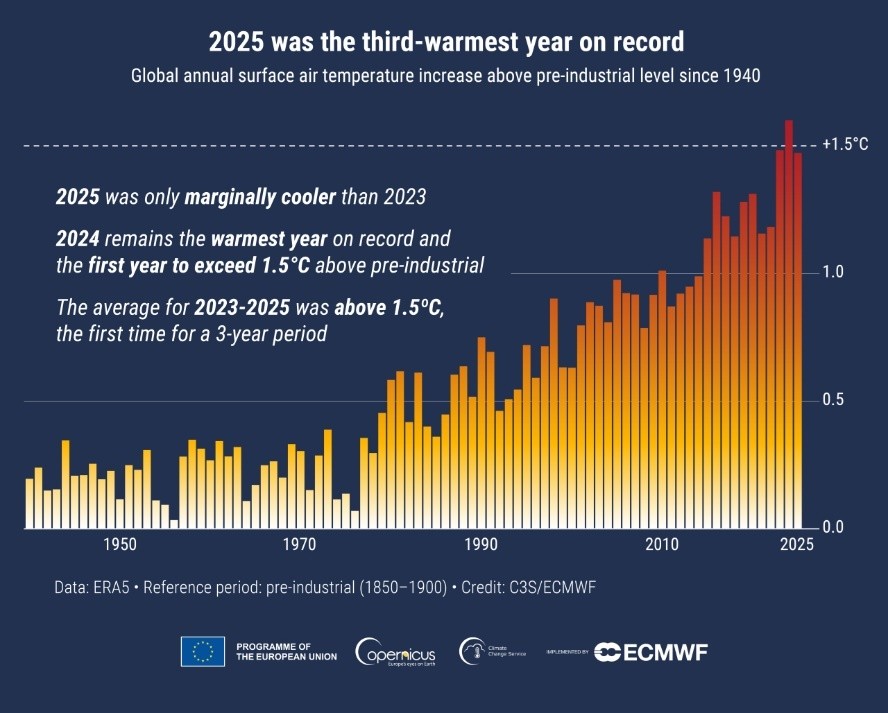
Global surface air temperature increased above the pre-industrial level between 1940 and 2025. Credit: C3S/ECMWF.
In response to this pressing reality, second-year Environmental Science and Technology (BSTASdk) students at UPM took their learning out of the lecture hall into the campus community. On January 15, 2026, as part of their Atmospheric Science and Climate Change course (ESC3021), they launched the Climate Action and Adaptation Campaign at Foyer Complex B, Faculty of Forestry and Environment. This campaign aims to bridge the gap between complex climate science and the practical adaptation measures that faculty members and students can use in their daily lives. The campaign also served as an important platform for students to communicate science effectively and engage meaningfully with the public. Through the project, students explored a vast range of topics, from the massive carbon footprint of fast fashion and social media usage to the specific challenges facing Malaysia, such as the sustainability of electric vehicles and the need for flood-resilient communities. The presentations did not stop at global issues; they looked at the immediate environment, proposing zero-waste campus initiatives, discussing the impact of heatwaves on learning, lower food-related carbon emissions and addressing the critical preservation of our rainforests.
Key points from each topic presented:
1) Climate change has altered river temperature regimes and increased the frequency of extreme rainfall events, resulting in habitat disturbance and enhanced connectivity between artificial and natural water bodies.
2) Rising social media use increases carbon emissions due to energy-intensive app operations and electricity-demanding data centres, especially when powered by coal-based energy sources.
3) The fashion industry contributes about 8 to 10% of global carbon emissions, largely driven by fast fashion’s rapid, low-cost production model that promotes overproduction, short garment lifespans, and significant textile waste.
4) High organic food waste from oversized portions and leftovers, combined with poor segregation practices, hinders effective recycling and composting.
5) An integrated flood management approach combining early warning systems, preparedness training, and structural improvements, supported by better coordination, satellite mapping, and strong policy enforcement, is essential to reduce future flood risks in Malaysia.
6) Low-energy strategies like ventilation and passive cooling can reduce heat stress in the classroom. These approaches avoid energy-intensive air conditioning and support climate-responsive tropical classrooms.
7) Implementing sustainable transport systems within university campuses can significantly reduce carbon emissions, improve air quality, and enhance overall campus mobility.
8) Deforestation for oil palm releases large amounts of CO₂, impacting the climate. Sustainable practices like replanting on degraded land, reducing synthetic fertilisers and pesticides, and using integrated pest management can protect forests, maintain productivity, and support long-term soil and ecosystem health.
9) Choosing local, seasonal, and plant-based foods while reducing meat intake allows individuals to lower food-related carbon emissions, supporting both environmental sustainability and public health.
10) EVs are truly green in Malaysia only when paired with renewable energy and supportive infrastructure. Expanding solar energy, raising public awareness, and strengthening policies are key. Combining EV adoption with a renewable energy transition is essential for sustainable climate goals.
By the end of the campaign, it was clear that this was more than a class project. The successful organisation of this campaign demonstrates the strong commitment of BSTASdk students to translating theoretical knowledge into meaningful action, in line with their aspiration to produce environmentally conscious, knowledgeable, and proactive graduates capable of addressing the global climate crisis. It is hoped that more outreach and engagement programmes will be carried out for students and the wider community to enhance public awareness of climate change and the importance of continuous mitigation and adaptation efforts.
“Together we stand for a better climate.”
Key points from each topic presented:
1) Climate change has altered river temperature regimes and increased the frequency of extreme rainfall events, resulting in habitat disturbance and enhanced connectivity between artificial and natural water bodies.
2) Rising social media use increases carbon emissions due to energy-intensive app operations and electricity-demanding data centres, especially when powered by coal-based energy sources.
3) The fashion industry contributes about 8 to 10% of global carbon emissions, largely driven by fast fashion’s rapid, low-cost production model that promotes overproduction, short garment lifespans, and significant textile waste.
4) High organic food waste from oversized portions and leftovers, combined with poor segregation practices, hinders effective recycling and composting.
5) An integrated flood management approach combining early warning systems, preparedness training, and structural improvements, supported by better coordination, satellite mapping, and strong policy enforcement, is essential to reduce future flood risks in Malaysia.
6) Low-energy strategies like ventilation and passive cooling can reduce heat stress in the classroom. These approaches avoid energy-intensive air conditioning and support climate-responsive tropical classrooms.
7) Implementing sustainable transport systems within university campuses can significantly reduce carbon emissions, improve air quality, and enhance overall campus mobility.
8) Deforestation for oil palm releases large amounts of CO₂, impacting the climate. Sustainable practices like replanting on degraded land, reducing synthetic fertilisers and pesticides, and using integrated pest management can protect forests, maintain productivity, and support long-term soil and ecosystem health.
9) Choosing local, seasonal, and plant-based foods while reducing meat intake allows individuals to lower food-related carbon emissions, supporting both environmental sustainability and public health.
10) EVs are truly green in Malaysia only when paired with renewable energy and supportive infrastructure. Expanding solar energy, raising public awareness, and strengthening policies are key. Combining EV adoption with a renewable energy transition is essential for sustainable climate goals.
By the end of the campaign, it was clear that this was more than a class project. The successful organisation of this campaign demonstrates the strong commitment of BSTASdk students to translating theoretical knowledge into meaningful action, in line with their aspiration to produce environmentally conscious, knowledgeable, and proactive graduates capable of addressing the global climate crisis. It is hoped that more outreach and engagement programmes will be carried out for students and the wider community to enhance public awareness of climate change and the importance of continuous mitigation and adaptation efforts.
“Together we stand for a better climate.”
References
1. https://www.terradaily.com/reports/2025_was_third_hottest_year_on_record_climate_monitors_999.html
2. https://www.kabarbursa.com/ekonomi-hijau/tiga-tahun-terpanas-berturut-turut-dunia-menuju-batas-kritis-pemanasan-global?
2. https://www.kabarbursa.com/ekonomi-hijau/tiga-tahun-terpanas-berturut-turut-dunia-menuju-batas-kritis-pemanasan-global?
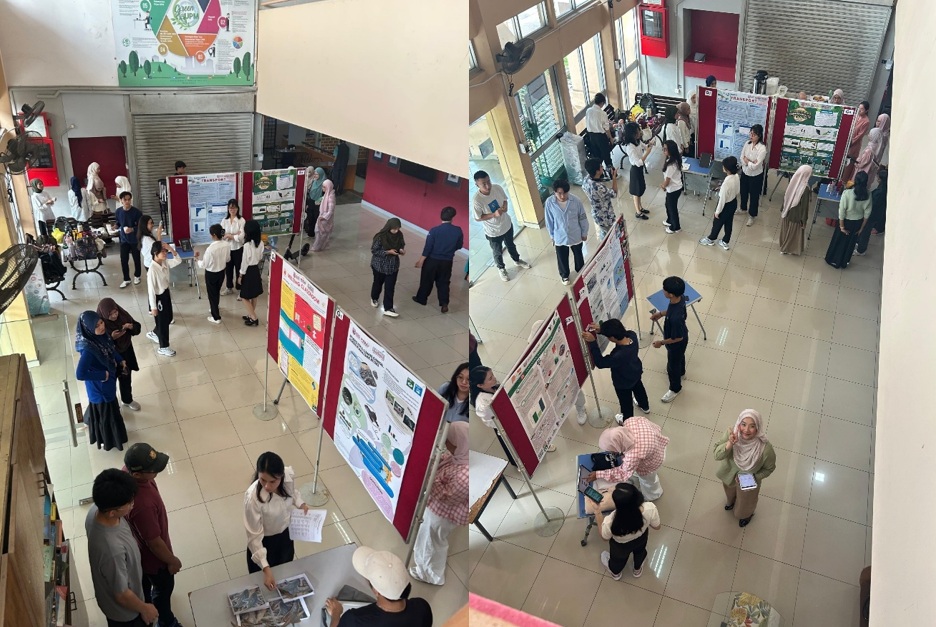
Figure 1: Highlights from the Climate Action and Adaptation Campaign. Photo by NIHM
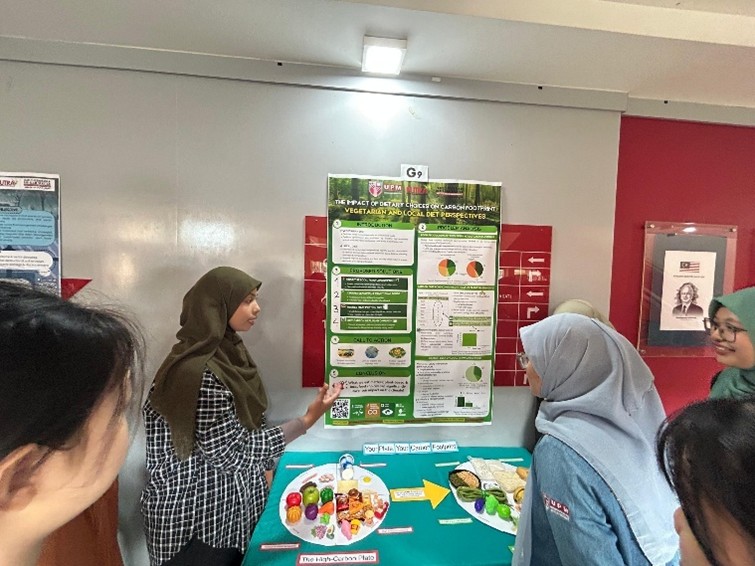
Figure 2: Highlights from the Climate Action and Adaptation Campaign. Photo by NIHM
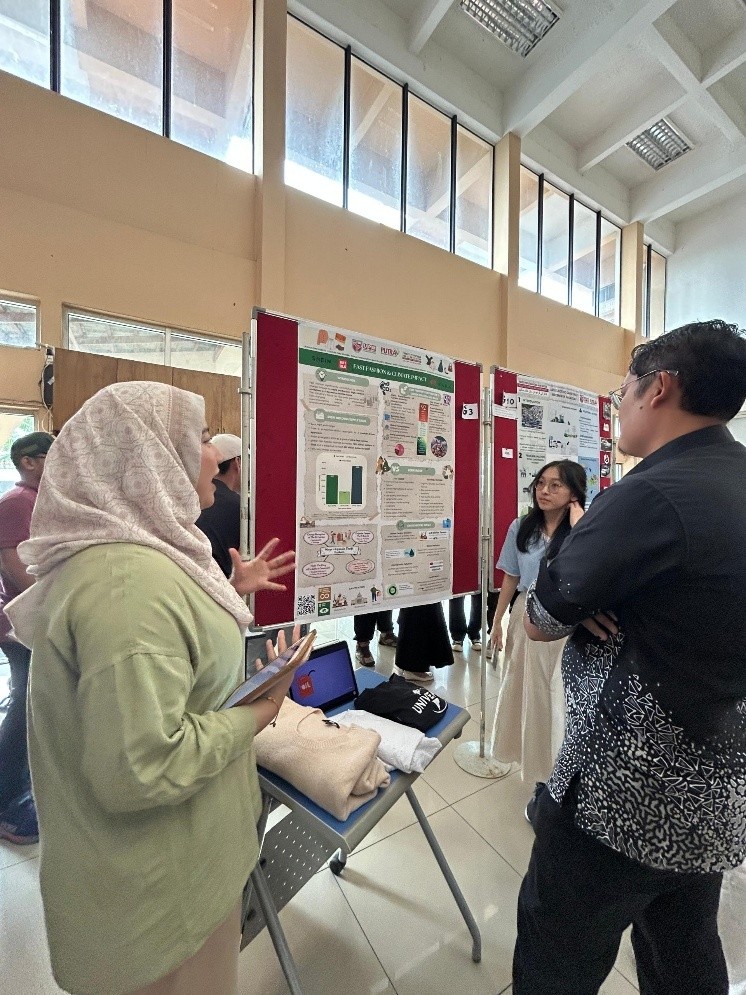
Figure 3: Highlights from the Climate Action and Adaptation Campaign. Photo by NIHM
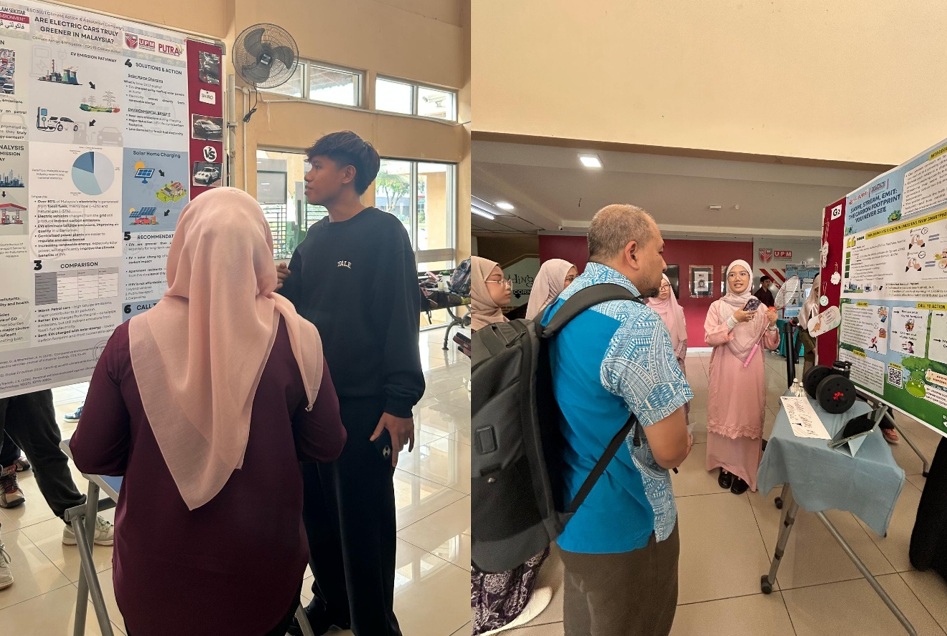
Figure 4: Highlights from the Climate Action and Adaptation Campaign. Photo by NIHM
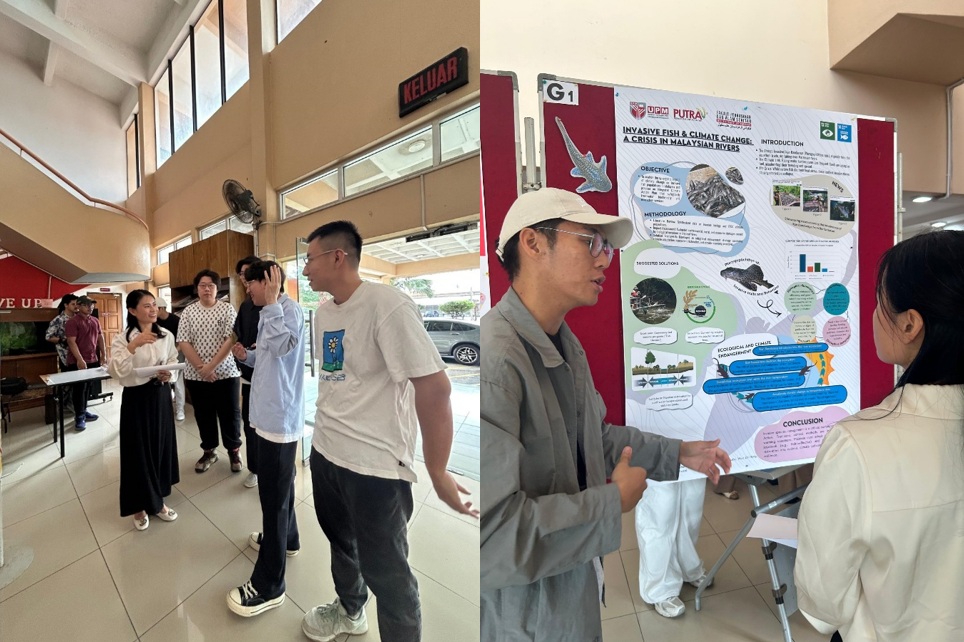
Figure 5: Highlights from the Climate Action and Adaptation Campaign. Photo by NIHM
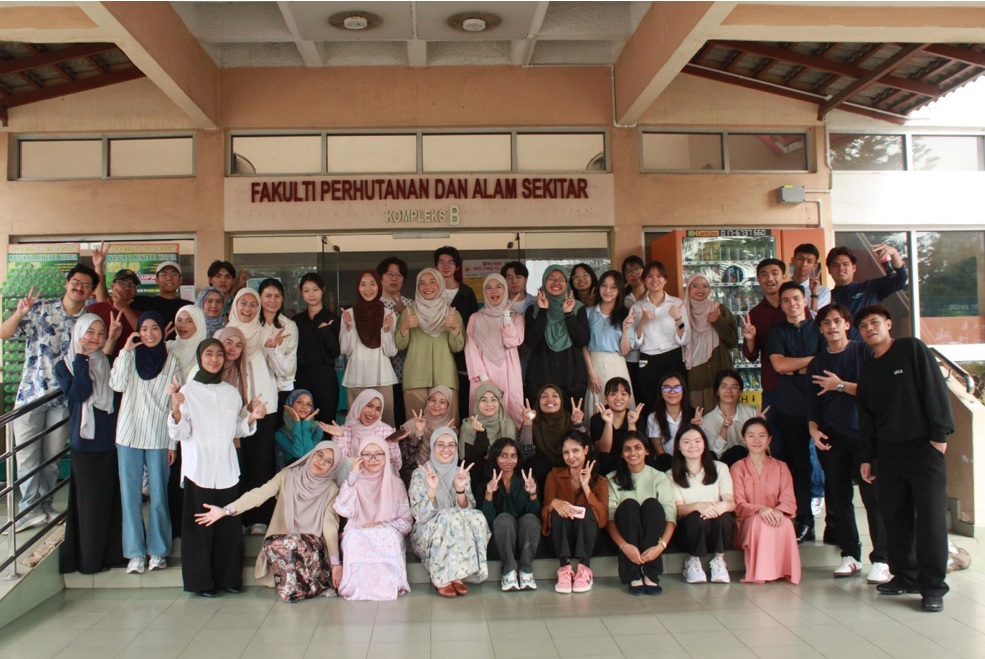
Figure 6: Highlights from the Climate Action and Adaptation Campaign. Photo by NIHM
