

Between Duty and Dilemma: The Realities Behind Forestry Work
Introduction
The profession of forestry is often imagined as peaceful work centred on trees, wildlife, and conservation. However, the reality is far more complex. Foresters and environmentalists operate in a space shaped by political pressures, cultural sensitivities, and ethical dilemmas. Many of the challenges they face are not openly discussed, yet they strongly influence how forest resources are managed in Malaysia. As an Environmental Management student, I have become more aware of how sensitive and demanding this field can be. This reaction paper examines the major controversial issues shaping forestry work and how they influence the responsibilities of those tasked with protecting the environment.
The First Layer of Sensitivity
The first set of sensitive issues includes conflicts between economic development and environmental protection, political interference, and disputes related to Indigenous land rights. Foresters often find themselves navigating situations where development pressures clash with conservation goals (Joa et al., 2020). Projects involving timber extraction, road construction, mining, or tourism may promise economic benefits, yet they also threaten ecological stability. Simultaneously, political influence can complicate professional decision-making. Some officers face expectations to overlook encroachment or support development proposals that prioritise short-term economic gains over long-term environmental health (Huang et al., 2023). These pressures place foresters in a challenging position where professional judgment may conflict with political agendas. Environmentalists also encounter these pressures when advocating for conservation, often needing to negotiate carefully with political actors and developers.
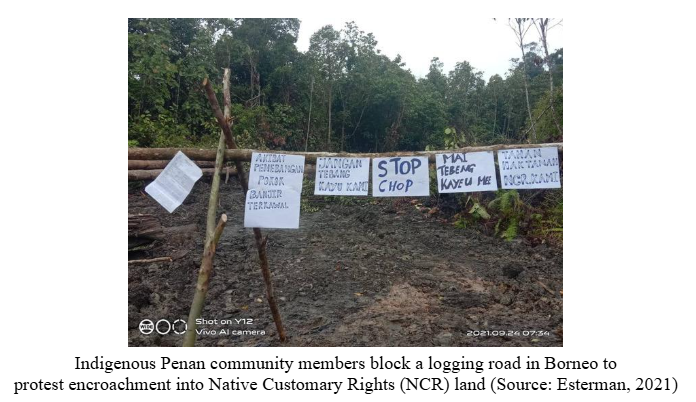
Issues surrounding Native Customary Rights add further complexity. Many Indigenous communities depend on forest lands for their cultural identity and livelihood. When logging or conservation restrictions affect these communities, disputes arise, as shown in Figure 1 (Esterman, 2021). Foresters must balance enforcing protected area regulations with respecting the historical and cultural significance of Indigenous territories, while environmentalists often support Indigenous rights and promote sustainable land-use practices. Issues such as economic pressure, political influence, and Indigenous rights are deeply interconnected, creating an environment where ecological, social, and political interests collide. From my perspective, this combination of pressures places foresters in a delicate and emotionally demanding position, where every decision carries weight and potential consequences.
The profession of forestry is often imagined as peaceful work centred on trees, wildlife, and conservation. However, the reality is far more complex. Foresters and environmentalists operate in a space shaped by political pressures, cultural sensitivities, and ethical dilemmas. Many of the challenges they face are not openly discussed, yet they strongly influence how forest resources are managed in Malaysia. As an Environmental Management student, I have become more aware of how sensitive and demanding this field can be. This reaction paper examines the major controversial issues shaping forestry work and how they influence the responsibilities of those tasked with protecting the environment.
The First Layer of Sensitivity
The first set of sensitive issues includes conflicts between economic development and environmental protection, political interference, and disputes related to Indigenous land rights. Foresters often find themselves navigating situations where development pressures clash with conservation goals (Joa et al., 2020). Projects involving timber extraction, road construction, mining, or tourism may promise economic benefits, yet they also threaten ecological stability. Simultaneously, political influence can complicate professional decision-making. Some officers face expectations to overlook encroachment or support development proposals that prioritise short-term economic gains over long-term environmental health (Huang et al., 2023). These pressures place foresters in a challenging position where professional judgment may conflict with political agendas. Environmentalists also encounter these pressures when advocating for conservation, often needing to negotiate carefully with political actors and developers.
Issues surrounding Native Customary Rights add further complexity. Many Indigenous communities depend on forest lands for their cultural identity and livelihood. When logging or conservation restrictions affect these communities, disputes arise, as shown in Figure 1 (Esterman, 2021). Foresters must balance enforcing protected area regulations with respecting the historical and cultural significance of Indigenous territories, while environmentalists often support Indigenous rights and promote sustainable land-use practices. Issues such as economic pressure, political influence, and Indigenous rights are deeply interconnected, creating an environment where ecological, social, and political interests collide. From my perspective, this combination of pressures places foresters in a delicate and emotionally demanding position, where every decision carries weight and potential consequences.
The Second Layer of Sensitivity
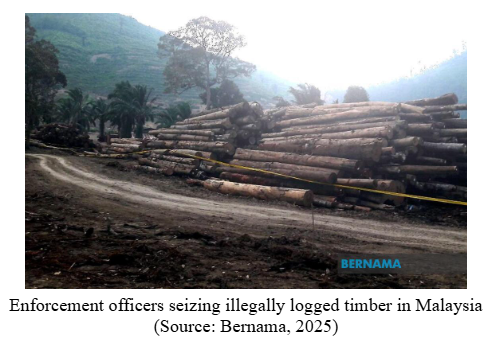
A second set of sensitive issues revolves around illegal logging, human-wildlife conflicts, and the misrepresentation of forestry matters in the media. Illegal logging remains a persistent problem due to hidden syndicates, weak enforcement, and, in some cases, internal corruption. Foresters who attempt to uphold the law may face threats, manipulation, or professional risks (Nur et al., 2023). Environmentalists are also affected when exposing illegal activities, facing criticism or intimidation for their advocacy.
A second set of sensitive issues revolves around illegal logging, human-wildlife conflicts, and the misrepresentation of forestry matters in the media. Illegal logging remains a persistent problem due to hidden syndicates, weak enforcement, and, in some cases, internal corruption. Foresters who attempt to uphold the law may face threats, manipulation, or professional risks (Nur et al., 2023). Environmentalists are also affected when exposing illegal activities, facing criticism or intimidation for their advocacy.
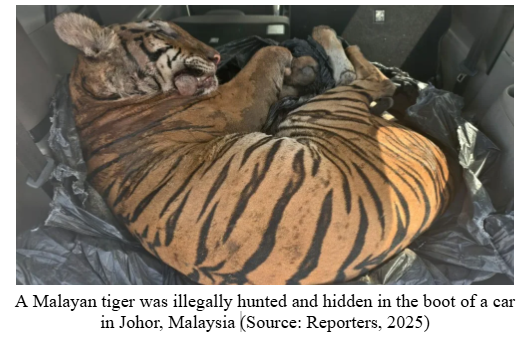
At the same time, human-wildlife conflicts have intensified as development continues to shrink natural habitats (Sharma et al., 2021). Cases involving elephants, tigers, and orangutans highlight the difficulty of balancing wildlife conservation with community safety. Foresters respond to community concerns for property and crops, while environmentalists advocate for wildlife protection. These situations rarely satisfy all parties, adding emotional and ethical burdens to those working in forestry and conservation.
Moreover, media misrepresentation further increases pressure on both foresters and environmentalists (Knutzen et al., 2025). Officers and advocates alike are sometimes blamed for forest loss or policy failures, even when decisions originate from higher authorities or powerful economic interests. Combined, these challenges show that managing forests responsibly requires not only technical skill but also integrity, courage, and collaboration.
Conclusion
Examining these sensitive issues demonstrates that forestry work involves far more complexity than what is visible to the public. Economic pressures, political interference, Indigenous land disputes, illegal logging, human-wildlife conflicts, and media misrepresentation all intersect to shape the daily experiences of foresters and environmentalists alike. These challenges underscore the need for transparent governance, strong enforcement, respectful community engagement, and responsible communication to support sustainable forestry in Malaysia. Through this reflection, I have gained a deeper respect for those working in the forestry sector and a stronger awareness of the difficult balance they must maintain between ecological protection and societal expectations.
References
Esterman, I. (2021, October 14). Malaysia’s Indigenous Penan block roads to stop logging in Borneo. Mongabay Environmental News. https://news.mongabay.com/2021/10/malaysias-indigenous-penan-block-roads-to-stop-logging-in-borneo/
Huang, X., Bao, Y., Yu, X., Cai, B., & Wang, Q. (2023). Exploration of the long-term performance-oriented incentive mechanism for balancing environmental and economic policies. Journal of Cleaner Production, 429, 138870. https://doi.org/10.1016/j.jclepro.2023.138870
Joa, B., Paulus, A., Mikoleit, R., & Winkel, G. (2020). Decision making in tree selection – contemplating conflicting goals via marteloscope exercises. Rural Landscapes Society Environment History, 7(1). https://doi.org/10.16993/rl.60
Knutzen, F., Paul, A., Haustein, K., Frör, O., & Groth, M. (2025). A case study on forest practitioners’ perspectives on climate extremes: consensus on impacts and conflicts in responses. Annals of Forest Research, 68(1), 155–184. https://doi.org/10.15287/afr.2025.3981
Nur, N. M., Fazzan, N., Azhari, N., Dollar, N., & Moulia, N. (2023). Enforcement Of Criminal Law Against The Personnel Of Burning Forest And Land In Southwest Aceh District. International Journal of Applied Science and Engineering Review, 04(02), 21–35. https://doi.org/10.52267/ijaser.2023.4202
Reporters, F. (2025, September 18). Tiger carcass headed for black market, valued at RM300,000. Free Malaysia Today | FMT. https://www.freemalaysiatoday.com/category/nation/2025/09/18/tiger-carcass-headed-for-black-market-valued-at-rm300000
Sarawak GOF busts illegal logging, seizes RM3.3 mln in timber and assets. (n.d.). BERNAMA. https://bernama.com/en/news.php?id=2382502
Sharma, P., Chettri, N., & Wangchuk, K. (2021). Human–wildlife conflict in the roof of the world: Understanding multidimensional perspectives through a systematic review. Ecology and Evolution, 11(17), 11569–11586. https://doi.org/10.1002/ece3.7980
Conclusion
Examining these sensitive issues demonstrates that forestry work involves far more complexity than what is visible to the public. Economic pressures, political interference, Indigenous land disputes, illegal logging, human-wildlife conflicts, and media misrepresentation all intersect to shape the daily experiences of foresters and environmentalists alike. These challenges underscore the need for transparent governance, strong enforcement, respectful community engagement, and responsible communication to support sustainable forestry in Malaysia. Through this reflection, I have gained a deeper respect for those working in the forestry sector and a stronger awareness of the difficult balance they must maintain between ecological protection and societal expectations.
References
Esterman, I. (2021, October 14). Malaysia’s Indigenous Penan block roads to stop logging in Borneo. Mongabay Environmental News. https://news.mongabay.com/2021/10/malaysias-indigenous-penan-block-roads-to-stop-logging-in-borneo/
Huang, X., Bao, Y., Yu, X., Cai, B., & Wang, Q. (2023). Exploration of the long-term performance-oriented incentive mechanism for balancing environmental and economic policies. Journal of Cleaner Production, 429, 138870. https://doi.org/10.1016/j.jclepro.2023.138870
Joa, B., Paulus, A., Mikoleit, R., & Winkel, G. (2020). Decision making in tree selection – contemplating conflicting goals via marteloscope exercises. Rural Landscapes Society Environment History, 7(1). https://doi.org/10.16993/rl.60
Knutzen, F., Paul, A., Haustein, K., Frör, O., & Groth, M. (2025). A case study on forest practitioners’ perspectives on climate extremes: consensus on impacts and conflicts in responses. Annals of Forest Research, 68(1), 155–184. https://doi.org/10.15287/afr.2025.3981
Nur, N. M., Fazzan, N., Azhari, N., Dollar, N., & Moulia, N. (2023). Enforcement Of Criminal Law Against The Personnel Of Burning Forest And Land In Southwest Aceh District. International Journal of Applied Science and Engineering Review, 04(02), 21–35. https://doi.org/10.52267/ijaser.2023.4202
Reporters, F. (2025, September 18). Tiger carcass headed for black market, valued at RM300,000. Free Malaysia Today | FMT. https://www.freemalaysiatoday.com/category/nation/2025/09/18/tiger-carcass-headed-for-black-market-valued-at-rm300000
Sarawak GOF busts illegal logging, seizes RM3.3 mln in timber and assets. (n.d.). BERNAMA. https://bernama.com/en/news.php?id=2382502
Sharma, P., Chettri, N., & Wangchuk, K. (2021). Human–wildlife conflict in the roof of the world: Understanding multidimensional perspectives through a systematic review. Ecology and Evolution, 11(17), 11569–11586. https://doi.org/10.1002/ece3.7980
