

Rising with the Earth in the Face of Climate Crisis
Introduction
International Environment Day reminds us that environmental challenges are not abstract concepts but realities that shape our daily lives. Among the many global issues highlighted each year, climate change stands out as the most urgent and far-reaching. For Malaysia and the wider Southeast Asian region, the impacts are already visible in shifting monsoon patterns, rising temperatures, flash floods, and coastal erosion. These changes signal the need for stronger awareness, better preparedness, and long-term resilience. This reflection explores what recent climate events have taught us, why these lessons matter, and what we should expect as we work toward a climate-resilient future.
Learning from Climate Impacts
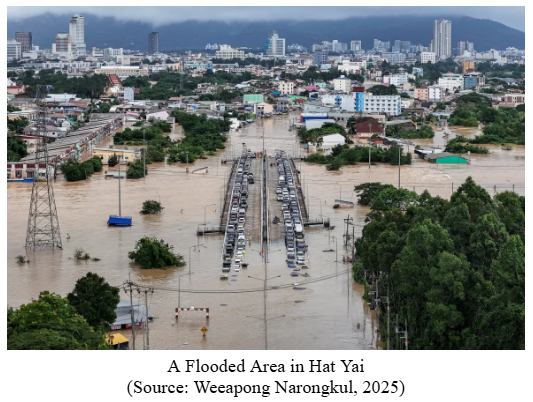
Recent climate-related events in Malaysia reveal how vulnerable our communities and ecosystems have become. Urban flash floods in Kuala Lumpur, Shah Alam, and Penang demonstrate how development continues to outpace environmental planning. Recent flooding in Hat Yai, Southern Thailand, further reinforces this regional vulnerability (Jazeera, 2025). Heavy rainfall submerged major roads, disrupted transportation, and affected thousands of residents, showing how climate impacts easily cross borders and influence neighbouring countries. These events remind us that climate change is not contained within political boundaries. Southeast Asia shares interconnected weather systems, river basins, and monsoon patterns, meaning that one country’s challenge can quickly become a regional concern (Caballero-Anthony, 2024).
International Environment Day reminds us that environmental challenges are not abstract concepts but realities that shape our daily lives. Among the many global issues highlighted each year, climate change stands out as the most urgent and far-reaching. For Malaysia and the wider Southeast Asian region, the impacts are already visible in shifting monsoon patterns, rising temperatures, flash floods, and coastal erosion. These changes signal the need for stronger awareness, better preparedness, and long-term resilience. This reflection explores what recent climate events have taught us, why these lessons matter, and what we should expect as we work toward a climate-resilient future.
Learning from Climate Impacts
Recent climate-related events in Malaysia reveal how vulnerable our communities and ecosystems have become. Urban flash floods in Kuala Lumpur, Shah Alam, and Penang demonstrate how development continues to outpace environmental planning. Recent flooding in Hat Yai, Southern Thailand, further reinforces this regional vulnerability (Jazeera, 2025). Heavy rainfall submerged major roads, disrupted transportation, and affected thousands of residents, showing how climate impacts easily cross borders and influence neighbouring countries. These events remind us that climate change is not contained within political boundaries. Southeast Asia shares interconnected weather systems, river basins, and monsoon patterns, meaning that one country’s challenge can quickly become a regional concern (Caballero-Anthony, 2024).
Prolonged dry seasons remind us that water security can no longer be taken for granted. Heatwaves have also intensified, affecting public health, agriculture, and energy demand. One of the clearest lessons is that climate change magnifies existing problems. Hotter temperatures worsen air quality, while inconsistent rainfall affects river systems and reservoirs. Agriculture is particularly vulnerable; drought reduces crop production, and unpredictable weather disrupts planting schedules (Majeed et al., 2023). We also learn how crucial natural ecosystems are. Mangroves, wetlands, and forests act as protective barriers, yet they remain undervalued and increasingly threatened. Their loss leaves communities more exposed to floods, coastal erosion, and storms. These events collectively teach us that climate change is not a distant issue but a lived reality requiring immediate attention.
The Significance of These Lessons
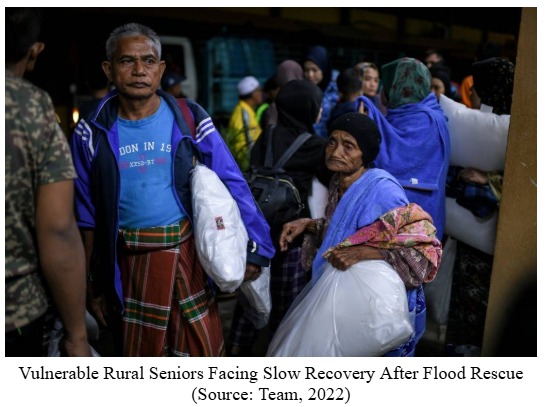
The lessons from recent climate events matter because climate change is deeply connected to the social and economic well-being of communities. Each disaster carries significant financial consequences. When floods damage homes, roads, and public facilities, the effects ripple across society, influencing mobility, health, education, and livelihoods. For vulnerable groups, especially low-income households and rural communities, recovery is often slow and challenging.
The Significance of These Lessons
The lessons from recent climate events matter because climate change is deeply connected to the social and economic well-being of communities. Each disaster carries significant financial consequences. When floods damage homes, roads, and public facilities, the effects ripple across society, influencing mobility, health, education, and livelihoods. For vulnerable groups, especially low-income households and rural communities, recovery is often slow and challenging.
These lessons also highlight gaps in governance and public awareness. While scientific data, forecasts, and climate reports exist, they are not always accessible or easily understood by local communities. Limited preparedness and low risk awareness mean disasters cause more harm than they need to. Understanding the significance of these lessons pushes us to rethink how cities are designed, how natural resources are managed, and how communities can adapt. Adhikari (2024) also highlights the importance of youth engagement, noting that young people will play a crucial role in shaping the policies, innovations, and decisions that determine future climate resilience.
Preparing for a Climate-Resilient Future
Looking ahead, stronger and more consistent climate policies are essential (Stavi, 2022). Malaysia’s commitment to achieving net-zero emissions by 2050 sets a vital direction, but implementation must be accelerated. This includes expanding renewable energy adoption, improving energy efficiency, strengthening green transportation, and gradually reducing reliance on fossil fuels. Green technology and nature-based solutions should also be prioritised, from low-carbon city designs to flood-resilient infrastructure.
Community resilience must also be strengthened. Public participation in environmental programmes, early warning systems, and preparedness training should become standard practice rather than one-off initiatives (Lim, 2025). Youth should be empowered to lead environmental campaigns, research projects, and innovation-driven solutions.
Preparing for a Climate-Resilient Future
Looking ahead, stronger and more consistent climate policies are essential (Stavi, 2022). Malaysia’s commitment to achieving net-zero emissions by 2050 sets a vital direction, but implementation must be accelerated. This includes expanding renewable energy adoption, improving energy efficiency, strengthening green transportation, and gradually reducing reliance on fossil fuels. Green technology and nature-based solutions should also be prioritised, from low-carbon city designs to flood-resilient infrastructure.
Community resilience must also be strengthened. Public participation in environmental programmes, early warning systems, and preparedness training should become standard practice rather than one-off initiatives (Lim, 2025). Youth should be empowered to lead environmental campaigns, research projects, and innovation-driven solutions.
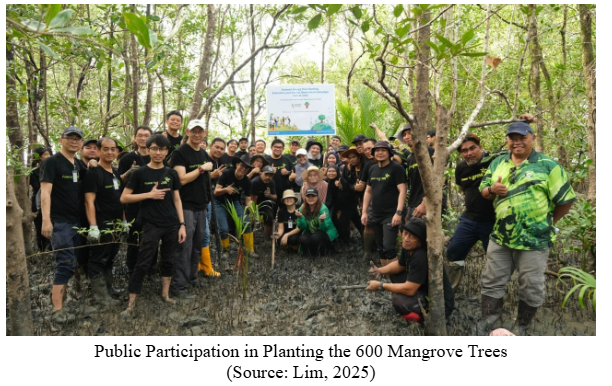
At the ecosystem level, greater restoration and protection of mangroves, forests, and river basins are urgently needed because these natural systems serve as frontline defences against climate impacts. Regional cooperation will also be crucial for managing shared environmental challenges such as transboundary haze and marine pollution (Fongissara & Buddharaksa, 2022). The expectation is not merely for stronger policies but for a societal shift in which climate responsibility is embraced by governments, industries, and individuals alike.
Conclusion
International Environment Day is a moment of reflection, but it is also a reminder of collective responsibility. The climate-related lessons we have encountered reveal weaknesses that must be addressed and opportunities that should not be overlooked. Building climate resilience requires consistent effort, inclusive governance, and a commitment to protecting both people and nature. As we reflect on what we have learned and consider what lies ahead, we move closer to shaping a future where environmental protection and sustainable development go hand in hand. Through awareness, action, and collaboration, we can rise with the Earth and strengthen our response to a warming world.
References
Adhikari, S. (2024). Driving Sustainable Development through Green Technology Innovations. OCEM Journal of Management Technology & Social Sciences, 3(2), 156–174. https://doi.org/10.3126/ocemjmtss.v3i2.68073
Caballero-Anthony, M. (2024). Climate security in Southeast Asia: navigating concepts, approaches and practices. Third World Quarterly, 45(14), 2047–2064. https://doi.org/10.1080/01436597.2024.2370353
Fongissara, N., & Buddharaksa, W. (2022). ASEAN Agreement on Transboundary haze pollution management in mainland Southeast Asia. Asia Social Issues, 15(6), 253039. https://doi.org/10.48048/asi.2022.253039
Jazeera, A. (2025, November 26). Floods kill dozens, displace thousands in southern Thailand. Al Jazeera. https://www.aljazeera.com/gallery/2025/11/26/floods-kill-dozens-displace-thousands-in-southern-thailand
Lim, P. O. (2025, July 6). 600 mangrove trees planted along Sejingkat coastline in conservation effort. Borneo Post Online. https://www.theborneopost.com/2025/07/06/600-mangrove-trees-planted-along-sejingkat-coastline-in-conservation-effort/
Majeed, N., Sharif, R., Sheeraz, M. N., Sajjad, S., Maqsood, H., Imran, M., Jamshaid, M. U., Arif, M., & Hussain, M. B. (2023). Impact of Climate Change on Agriculture & Vice Versa: A Review. Journal of Quality Assurance in Agricultural Sciences, 3(01), 1–15. https://doi.org/10.38211/jqaas.2023.3.31
Stavi, I. (2022). Rio (1992) to Glasgow (2021): Three decades of inadequate mitigation of climate change and its slow onset effects. Frontiers in Environmental Science, 10. https://doi.org/10.3389/fenvs.2022.999788
Team, W. I. (2022, July 21). Burst reservoir: the cause of deadly flood in Baling, Kedah revealed. Wiki Impact. https://www.wikiimpact.com/burst-reservoir-the-cause-of-deadly-flood-in-baling-kedah-revealed/
Conclusion
International Environment Day is a moment of reflection, but it is also a reminder of collective responsibility. The climate-related lessons we have encountered reveal weaknesses that must be addressed and opportunities that should not be overlooked. Building climate resilience requires consistent effort, inclusive governance, and a commitment to protecting both people and nature. As we reflect on what we have learned and consider what lies ahead, we move closer to shaping a future where environmental protection and sustainable development go hand in hand. Through awareness, action, and collaboration, we can rise with the Earth and strengthen our response to a warming world.
References
Adhikari, S. (2024). Driving Sustainable Development through Green Technology Innovations. OCEM Journal of Management Technology & Social Sciences, 3(2), 156–174. https://doi.org/10.3126/ocemjmtss.v3i2.68073
Caballero-Anthony, M. (2024). Climate security in Southeast Asia: navigating concepts, approaches and practices. Third World Quarterly, 45(14), 2047–2064. https://doi.org/10.1080/01436597.2024.2370353
Fongissara, N., & Buddharaksa, W. (2022). ASEAN Agreement on Transboundary haze pollution management in mainland Southeast Asia. Asia Social Issues, 15(6), 253039. https://doi.org/10.48048/asi.2022.253039
Jazeera, A. (2025, November 26). Floods kill dozens, displace thousands in southern Thailand. Al Jazeera. https://www.aljazeera.com/gallery/2025/11/26/floods-kill-dozens-displace-thousands-in-southern-thailand
Lim, P. O. (2025, July 6). 600 mangrove trees planted along Sejingkat coastline in conservation effort. Borneo Post Online. https://www.theborneopost.com/2025/07/06/600-mangrove-trees-planted-along-sejingkat-coastline-in-conservation-effort/
Majeed, N., Sharif, R., Sheeraz, M. N., Sajjad, S., Maqsood, H., Imran, M., Jamshaid, M. U., Arif, M., & Hussain, M. B. (2023). Impact of Climate Change on Agriculture & Vice Versa: A Review. Journal of Quality Assurance in Agricultural Sciences, 3(01), 1–15. https://doi.org/10.38211/jqaas.2023.3.31
Stavi, I. (2022). Rio (1992) to Glasgow (2021): Three decades of inadequate mitigation of climate change and its slow onset effects. Frontiers in Environmental Science, 10. https://doi.org/10.3389/fenvs.2022.999788
Team, W. I. (2022, July 21). Burst reservoir: the cause of deadly flood in Baling, Kedah revealed. Wiki Impact. https://www.wikiimpact.com/burst-reservoir-the-cause-of-deadly-flood-in-baling-kedah-revealed/
