

Environmental Responsibility in an Age of Increasing Waste
Introduction
It is the era of excess, where we do not consume because we need it, but because it is convenient, fashionable, and immediately satisfying. Plastics that cannot be reused, fast fashion, too much packaging, and disposable goods are products of modern life, in particular, urban life. It is really concerning because now overflowing rubbish bins, polluted rivers and foul smells of landfills do not amaze us anymore. They have become the backdrop to everyday life. This normalisation of rubbish is a grave indication that society is becoming irresponsible towards the environment. International Environment Day is a wake-up call to the damage caused to the environment, but the next day the issue persists because habits do not change. We steal resources, consume them in a short time, and dispose of them in a very hasty way, without much consideration of their fate after leaving the planet and how long they stay. This cycle is a clear indication of the mentality that prioritises convenience over conservation, and it is this that needs to change first before any real environmental progress can be realised.
The Human Role in the Waste Crisis
Despite the pollution problem commonly being attributed to big industries and lax government, I, as an individual, also contribute to this growing waste crisis. Whenever we take a plastic bag, have takeaway food, switch our mobile phones even when we do not need them, or purchase things we do not actually need, we are silently adding to the amount of waste generated. There are recycling facilities in Malaysia, but participation is low because separating waste is considered troublesome and a waste of time. I also found out that the infrastructure problem is not the problem, but the lack of concern and discipline. I got to know the extent of careless waste disposal in open areas and drainage systems through things like plogging and assisting with the collection of used cooking oil for recycling. Through these experiences, I had to reflect on my day-to-day practices and realise I could start taking responsibility at the individual level. Although the best environmental policies will not help to make a difference, without personal accountability, they will not work.
It is the era of excess, where we do not consume because we need it, but because it is convenient, fashionable, and immediately satisfying. Plastics that cannot be reused, fast fashion, too much packaging, and disposable goods are products of modern life, in particular, urban life. It is really concerning because now overflowing rubbish bins, polluted rivers and foul smells of landfills do not amaze us anymore. They have become the backdrop to everyday life. This normalisation of rubbish is a grave indication that society is becoming irresponsible towards the environment. International Environment Day is a wake-up call to the damage caused to the environment, but the next day the issue persists because habits do not change. We steal resources, consume them in a short time, and dispose of them in a very hasty way, without much consideration of their fate after leaving the planet and how long they stay. This cycle is a clear indication of the mentality that prioritises convenience over conservation, and it is this that needs to change first before any real environmental progress can be realised.
The Human Role in the Waste Crisis
Despite the pollution problem commonly being attributed to big industries and lax government, I, as an individual, also contribute to this growing waste crisis. Whenever we take a plastic bag, have takeaway food, switch our mobile phones even when we do not need them, or purchase things we do not actually need, we are silently adding to the amount of waste generated. There are recycling facilities in Malaysia, but participation is low because separating waste is considered troublesome and a waste of time. I also found out that the infrastructure problem is not the problem, but the lack of concern and discipline. I got to know the extent of careless waste disposal in open areas and drainage systems through things like plogging and assisting with the collection of used cooking oil for recycling. Through these experiences, I had to reflect on my day-to-day practices and realise I could start taking responsibility at the individual level. Although the best environmental policies will not help to make a difference, without personal accountability, they will not work.
The Hidden Cost of Modern Waste
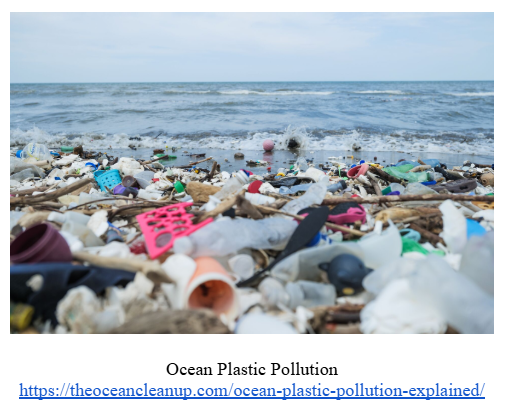
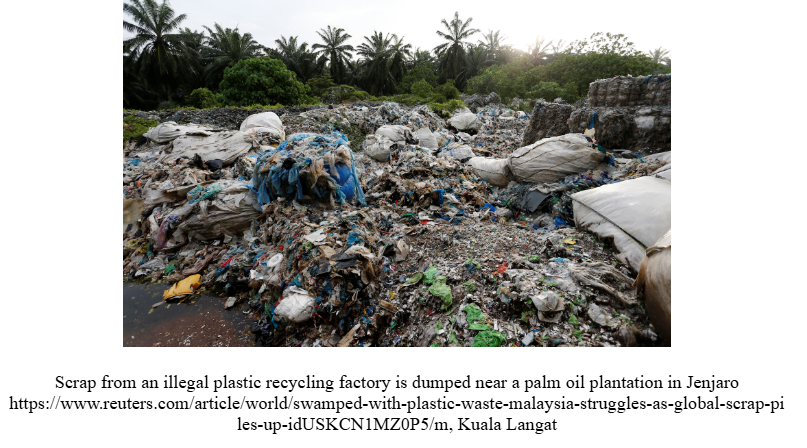
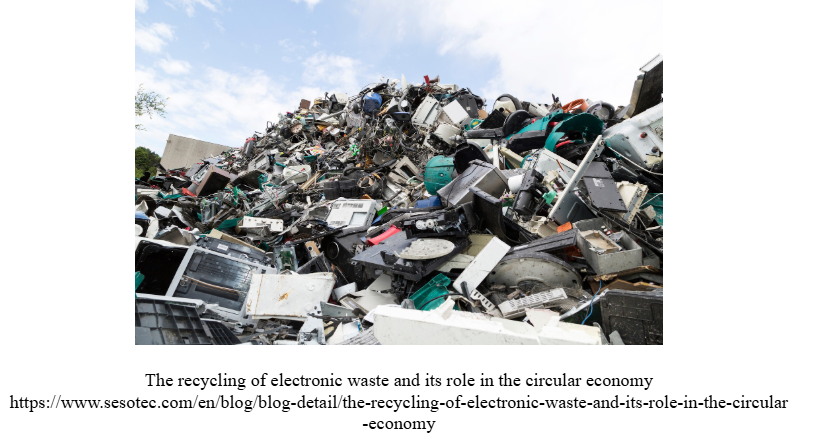
The reason why contemporary waste can be even more hazardous is that a massive portion of it is invisible. Microplastics, toxic substances, and greenhouse gases may not be visible, but they harm the environment without obtrusion and put human well-being at risk. Substances such as lead and mercury contained in electronic waste are harmful and can leach into soil and water, causing harm if disposed of improperly. In fact, plastic cannot decompose; it is broken down into minute particles that move up the food chain and eventually find their way back to humans via seafood and drinking water. This implies that the garbage we currently generate does not just fester away but creates long-lasting pollution that affects generations to come. This invisible damage increases the significance of responsibility through its understanding. It is not only about maintaining our surroundings clean anymore, but also about ecosystems that are unable to speak to us and people who are not yet born.
From Awareness to Accountability
It is not a secret that pollution and waste are major issues, and awareness is not enough, as many people are already aware of them. Environmental campaigns, posters, and social media posts are visible, but without accountability, no real change will take place. Governments should become more enforcers, industries need to be responsible towards the entire life-cycle of the products and communities need not tolerate irresponsible conduct. But accountability is also applicable to ordinary people. It involves the decreasing, reusing and recycling where it is not convenient. It consists in carrying reusable bags, saying no to things we do not need, fixing things rather than throwing them away, and teaching others through example. Universities, too, have been instrumental in developing this kind of mentality by instilling sustainability into the curriculum and in the daily campus life. Environmental protection will be achieved when accountability is a social norm rather than an exception.
The reason why contemporary waste can be even more hazardous is that a massive portion of it is invisible. Microplastics, toxic substances, and greenhouse gases may not be visible, but they harm the environment without obtrusion and put human well-being at risk. Substances such as lead and mercury contained in electronic waste are harmful and can leach into soil and water, causing harm if disposed of improperly. In fact, plastic cannot decompose; it is broken down into minute particles that move up the food chain and eventually find their way back to humans via seafood and drinking water. This implies that the garbage we currently generate does not just fester away but creates long-lasting pollution that affects generations to come. This invisible damage increases the significance of responsibility through its understanding. It is not only about maintaining our surroundings clean anymore, but also about ecosystems that are unable to speak to us and people who are not yet born.
From Awareness to Accountability
It is not a secret that pollution and waste are major issues, and awareness is not enough, as many people are already aware of them. Environmental campaigns, posters, and social media posts are visible, but without accountability, no real change will take place. Governments should become more enforcers, industries need to be responsible towards the entire life-cycle of the products and communities need not tolerate irresponsible conduct. But accountability is also applicable to ordinary people. It involves the decreasing, reusing and recycling where it is not convenient. It consists in carrying reusable bags, saying no to things we do not need, fixing things rather than throwing them away, and teaching others through example. Universities, too, have been instrumental in developing this kind of mentality by instilling sustainability into the curriculum and in the daily campus life. Environmental protection will be achieved when accountability is a social norm rather than an exception.
Expectations for a Sustainable Future
From now on, I do not envision a waste-free world, but I would wish to have a more mindful, aware and accountable one. I believe in a future where people will design long-lasting goods, cut waste at the initial stage, and where the environment will be factored into all decisions made by governments, companies, and individuals. I also want my generation to be more than the disasters of the environment. We possess the knowledge, the technology and the awareness; all that is now required is consistent action. Green responsibility in the era of growing trash means realising that every little decision we make will either damage or heal the planet. When we actually carry out this responsibility, International Environment Day will cease to be merely a formality, but a manifestation of daily, committed practice.
Conclusion
There is no longer a choice between environmental responsibility and growing waste, but rather an obligation. Human behaviour, values, and patterns of consumption directly result in the waste crisis. It is pollution and e-waste, unsustainable production systems, etc., all these issues lead to a more profound ethical awareness. As much as governments and industries should play a significant role, the role of individuals is still powerful and necessary. Consciousness and care can only be the replacement of convenience and wastefulness in society, and therefore, it is only through this that a sustainable future can be attained. Being an environmentally responsible person means recognising that the earth is not for the present generation alone, but for all living creatures and future generations.
References
Geyer, R., Jambeck, J. R., & Law, K. L. (2017). Production, use, and fate of all plastics ever made. Science Advances, 3(7), e1700782.
https://doi.org/10.1126/sciadv.1700782
Intergovernmental Panel on Climate Change. (2022). Climate change 2022: Impacts, adaptation and vulnerability. Cambridge University Press.
Jambeck, J. R., et al. (2015). Plastic waste inputs from land into the ocean. Science, 347(6223), 768–771.
Kirchherr, J., Reike, D., & Hekkert, M. (2017). Conceptualizing the circular economy. Resources, Conservation & Recycling, 127, 221–232.
Nnorom, I. C., & Osibanjo, O. (2008). Overview of electronic waste management practices. Waste Management, 28(9), 1472–1479.
UNEP. (2021). From pollution to solution: A global assessment of marine litter and plastic pollution. United Nations Environment Programme.
WHO. (2021). Air pollution and child health: Prescribing clean air. World Health Organization.
From now on, I do not envision a waste-free world, but I would wish to have a more mindful, aware and accountable one. I believe in a future where people will design long-lasting goods, cut waste at the initial stage, and where the environment will be factored into all decisions made by governments, companies, and individuals. I also want my generation to be more than the disasters of the environment. We possess the knowledge, the technology and the awareness; all that is now required is consistent action. Green responsibility in the era of growing trash means realising that every little decision we make will either damage or heal the planet. When we actually carry out this responsibility, International Environment Day will cease to be merely a formality, but a manifestation of daily, committed practice.
Conclusion
There is no longer a choice between environmental responsibility and growing waste, but rather an obligation. Human behaviour, values, and patterns of consumption directly result in the waste crisis. It is pollution and e-waste, unsustainable production systems, etc., all these issues lead to a more profound ethical awareness. As much as governments and industries should play a significant role, the role of individuals is still powerful and necessary. Consciousness and care can only be the replacement of convenience and wastefulness in society, and therefore, it is only through this that a sustainable future can be attained. Being an environmentally responsible person means recognising that the earth is not for the present generation alone, but for all living creatures and future generations.
References
Geyer, R., Jambeck, J. R., & Law, K. L. (2017). Production, use, and fate of all plastics ever made. Science Advances, 3(7), e1700782.
https://doi.org/10.1126/sciadv.1700782
Intergovernmental Panel on Climate Change. (2022). Climate change 2022: Impacts, adaptation and vulnerability. Cambridge University Press.
Jambeck, J. R., et al. (2015). Plastic waste inputs from land into the ocean. Science, 347(6223), 768–771.
Kirchherr, J., Reike, D., & Hekkert, M. (2017). Conceptualizing the circular economy. Resources, Conservation & Recycling, 127, 221–232.
Nnorom, I. C., & Osibanjo, O. (2008). Overview of electronic waste management practices. Waste Management, 28(9), 1472–1479.
UNEP. (2021). From pollution to solution: A global assessment of marine litter and plastic pollution. United Nations Environment Programme.
WHO. (2021). Air pollution and child health: Prescribing clean air. World Health Organization.
