

Pollution, Penalties, and the Price we pay
Introduction
The 2024 water crisis in Malaysia taught us an uncomfortable truth. Clean water is less about rainfall and more about governance. When industrial effluent from a single factory in Rawang forced Air Selangor to shut down four treatment plants in July 2024, over 1.2 million households experienced unscheduled water cuts. When Sime Darby Plantation's Sua Betong mill exceeded biochemical oxygen demand (BOD) limits by 10% and received only an RM13,000 fine which still far below the RM250,000 maximum, it became clear that Malaysia's water security problem is fundamentally a failure of institutional coordination and enforcement, these incidents reveal a pattern: fragmented authority, weak penalties, and reactive responses have created a system in which polluters face minimal consequences while millions suffer disrupted supply.
What we learned: Fragmented governance enables repeated pollution.
Malaysia's river management involves multiple agencies, including the Department of Environment (DOE), the Department of Irrigation and Drainage (DID), state water regulatory bodies such as LUAS, and local councils, yet it still lacks integrated coordination. This fragmentation creates enforcement gaps. The Sungai Linggi basin illustrates this clearly. In January 2024, DOE officers discovered waste being channelled directly from palm oil mill effluent ponds into the river, yet the pollution continued until December, when the company was finally charged. Between these incidents, 37,000 consumers in Port Dickson faced repeated water disruptions due to odour pollution, requiring emergency shutdowns of the Linggi Water Treatment Plant each time.
The weakness extends beyond monitoring to penalties as well. Despite amendments to the Environmental Quality Act 2024 raising maximum fines to RM10 million and mandating imprisonment, enforcement remains inconsistent. Large corporations receive token fines, while small-scale illegal dumpers face harsher prosecution, creating a perception that environmental crimes are merely an affordable cost of doing business rather than serious offences. This double standard undermines public confidence and fails to deter future violations.
What strikes me most is the linear vulnerability of Malaysia's water infrastructure. A single pollution event upstream immediately paralyses the downstream supply because we lack alternative reserves or off-river storage systems. Our over-dependence on raw river water, combined with the proximity of industrial zones to water intake points, creates a cascading effect in which a single irresponsible actor can disrupt supply to millions. This is not a technical failure but a planning and governance failure.
The 2024 water crisis in Malaysia taught us an uncomfortable truth. Clean water is less about rainfall and more about governance. When industrial effluent from a single factory in Rawang forced Air Selangor to shut down four treatment plants in July 2024, over 1.2 million households experienced unscheduled water cuts. When Sime Darby Plantation's Sua Betong mill exceeded biochemical oxygen demand (BOD) limits by 10% and received only an RM13,000 fine which still far below the RM250,000 maximum, it became clear that Malaysia's water security problem is fundamentally a failure of institutional coordination and enforcement, these incidents reveal a pattern: fragmented authority, weak penalties, and reactive responses have created a system in which polluters face minimal consequences while millions suffer disrupted supply.
What we learned: Fragmented governance enables repeated pollution.
Malaysia's river management involves multiple agencies, including the Department of Environment (DOE), the Department of Irrigation and Drainage (DID), state water regulatory bodies such as LUAS, and local councils, yet it still lacks integrated coordination. This fragmentation creates enforcement gaps. The Sungai Linggi basin illustrates this clearly. In January 2024, DOE officers discovered waste being channelled directly from palm oil mill effluent ponds into the river, yet the pollution continued until December, when the company was finally charged. Between these incidents, 37,000 consumers in Port Dickson faced repeated water disruptions due to odour pollution, requiring emergency shutdowns of the Linggi Water Treatment Plant each time.
The weakness extends beyond monitoring to penalties as well. Despite amendments to the Environmental Quality Act 2024 raising maximum fines to RM10 million and mandating imprisonment, enforcement remains inconsistent. Large corporations receive token fines, while small-scale illegal dumpers face harsher prosecution, creating a perception that environmental crimes are merely an affordable cost of doing business rather than serious offences. This double standard undermines public confidence and fails to deter future violations.
What strikes me most is the linear vulnerability of Malaysia's water infrastructure. A single pollution event upstream immediately paralyses the downstream supply because we lack alternative reserves or off-river storage systems. Our over-dependence on raw river water, combined with the proximity of industrial zones to water intake points, creates a cascading effect in which a single irresponsible actor can disrupt supply to millions. This is not a technical failure but a planning and governance failure.
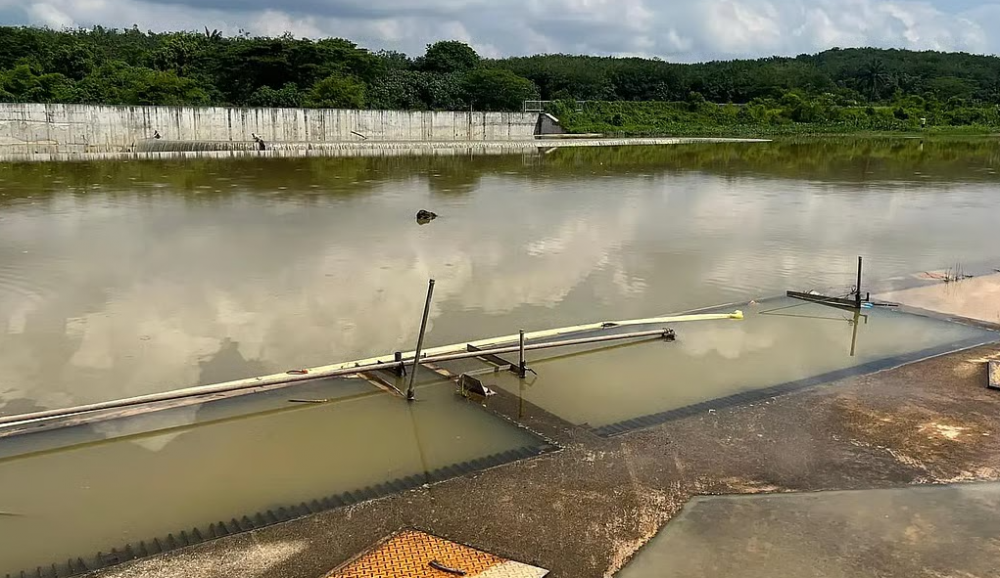
Sungai Linggi contamination site where effluents exceeding permissible limits were detected during a DoE inspection in January 2025
What we expect: Integrated river basin management as the solution
The path forward requires embracing Integrated River Basin Management (IRBM) not merely as a planning tool but as an enforceable regulatory framework. IRBM treats an entire river basin as a single management unit, linking land-use decisions directly to water-quality goals. Although the 12th Malaysia Plan targeted 10 IRBM plans by 2025, implementation has been slow, and crucially, most plans lack legal teeth for enforcement.
I expect future IRBM frameworks to include three critical elements. First, mandatory zoning regulations that prohibit high-risk industries near water intake zones or require relocation. Second, real-time monitoring systems with AI-based sensors that detect pollutants immediately and trigger automatic enforcement actions, removing human delay and bias from the process. Third, compulsory adoption of Zero Liquid Discharge (ZLD) technologies for industries within river basins, ensuring that wastewater is treated and recycled rather than released into waterways.
Beyond technology, we need transparent enforcement, with publicly accessible pollution registries that show which companies have been charged, fined, and prosecuted. Currently, information about environmental violations is fragmented across agencies, making it difficult for communities to hold polluters accountable. When enforcement becomes visible and consistent, it shifts corporate behaviour from treating fines as business expenses to genuine compliance.
The path forward requires embracing Integrated River Basin Management (IRBM) not merely as a planning tool but as an enforceable regulatory framework. IRBM treats an entire river basin as a single management unit, linking land-use decisions directly to water-quality goals. Although the 12th Malaysia Plan targeted 10 IRBM plans by 2025, implementation has been slow, and crucially, most plans lack legal teeth for enforcement.
I expect future IRBM frameworks to include three critical elements. First, mandatory zoning regulations that prohibit high-risk industries near water intake zones or require relocation. Second, real-time monitoring systems with AI-based sensors that detect pollutants immediately and trigger automatic enforcement actions, removing human delay and bias from the process. Third, compulsory adoption of Zero Liquid Discharge (ZLD) technologies for industries within river basins, ensuring that wastewater is treated and recycled rather than released into waterways.
Beyond technology, we need transparent enforcement, with publicly accessible pollution registries that show which companies have been charged, fined, and prosecuted. Currently, information about environmental violations is fragmented across agencies, making it difficult for communities to hold polluters accountable. When enforcement becomes visible and consistent, it shifts corporate behaviour from treating fines as business expenses to genuine compliance.
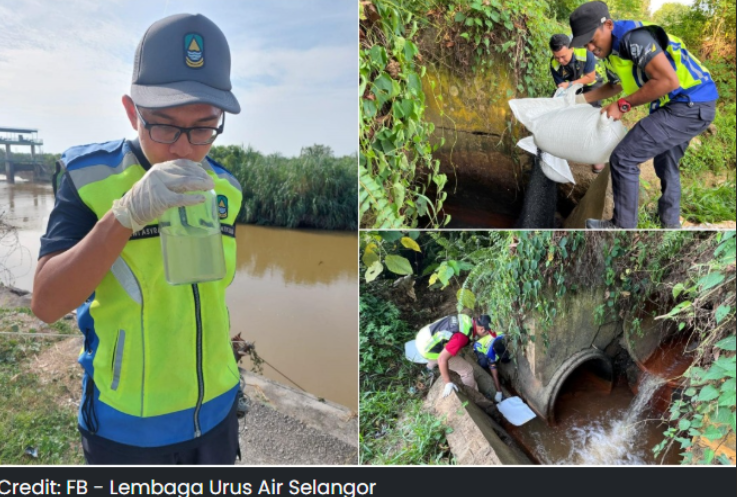
Odour pollution detected in several rivers in Selangor on 22 July is believed to have originated from a factory involved in processing acrylic materials
Personal reflection: Governance determines water security
What this series of crises has taught me is that environmental problems are fundamentally governance problems. Malaysia has advanced water treatment technology, comprehensive monitoring apps, and legislation with severe penalties on paper. Yet rivers continue to be polluted because institutions remain fragmented, enforcement is selective, and public participation is minimal. The 2024 incidents were preventable not through better engineering, but through better governance.
Moving forward, Malaysia should shift from reactive crisis management to proactive basin-wide planning. This means empowering a single coordinating authority, whether federal or state with clear jurisdiction over all activities affecting river quality, from industrial licensing to land-use planning. It means making IRBM plans legally binding documents that local governments must incorporate into development approvals. Moreover, critically, it means recognizing that protecting a river requires managing the entire landscape around it, not just responding after contamination occurs.
Clean water ultimately reflects national discipline, institutional integrity, and our willingness to prioritize long-term sustainability over short-term industrial convenience. The 2024 crises revealed our failures. The question now is whether we will learn from them.
References
Bernama (2024, July 23). Source of odour pollution suspected to be from factory processing acrylic materials. https://bernama.com/en/news.php?id=2321134
Bernama. (2024, January 18). Swift action prevented the Linggi water treatment plant from being contaminated. The Star. https://www.malaymail.com/news/malaysia/2024/01/18/n-sembilan-mb-swift-action-prevented-linggi-water-treatment-plant-from-being-contaminated/113139
Department of Environment Malaysia. (2024). Environmental Quality (Amendment) Act 2024: Enhanced penalties and enforcement provisions. Ministry of Natural Resources and Environmental Sustainability. https://advancedhsesolutions.com/environmental-quality-amendment-act-2024-penalties/
Economic Planning Unit. (2021). Twelfth Malaysia Plan 2021-2025: Integrated water resources management. Prime Minister's Department. https://ekonomi.gov.my/sites/default/files/2020-02/PRESENTATION%20GROUP%201.pdf
Free Malaysia Today. (2024, December 10). Sime Darby fined RM13,000 for discharging effluents into Sungai Linggi. https://www.freemalaysiatoday.com/category/nation/2024/12/10/sime-darby-fined-rm13000-for-discharging-effluents-into-sungai-linggi
Omar, S. C., Lihan, T., & Baidurah, S. (2023). Integrated river basin management (IRBM) in Malaysia. Journal of Water Resources Management, 1(1), 1–18. https://journal.water.gov.my/index.php/jowrm/article/view/4
Singh, S. (2024, May 6). Water disruption in PD due to odour pollution. The Star. https://www.thestar.com.my/news/nation/2024/05/06/water-disruption-in-pd-due-to-odour-pollution-says-mb
Techkem Water. (2025). Zero liquid discharge (ZLD) in industrial wastewater treatment. Techkem Water Solutions. https://techkemwater.com.my/zero-liquid-discharge/
What this series of crises has taught me is that environmental problems are fundamentally governance problems. Malaysia has advanced water treatment technology, comprehensive monitoring apps, and legislation with severe penalties on paper. Yet rivers continue to be polluted because institutions remain fragmented, enforcement is selective, and public participation is minimal. The 2024 incidents were preventable not through better engineering, but through better governance.
Moving forward, Malaysia should shift from reactive crisis management to proactive basin-wide planning. This means empowering a single coordinating authority, whether federal or state with clear jurisdiction over all activities affecting river quality, from industrial licensing to land-use planning. It means making IRBM plans legally binding documents that local governments must incorporate into development approvals. Moreover, critically, it means recognizing that protecting a river requires managing the entire landscape around it, not just responding after contamination occurs.
Clean water ultimately reflects national discipline, institutional integrity, and our willingness to prioritize long-term sustainability over short-term industrial convenience. The 2024 crises revealed our failures. The question now is whether we will learn from them.
References
Bernama (2024, July 23). Source of odour pollution suspected to be from factory processing acrylic materials. https://bernama.com/en/news.php?id=2321134
Bernama. (2024, January 18). Swift action prevented the Linggi water treatment plant from being contaminated. The Star. https://www.malaymail.com/news/malaysia/2024/01/18/n-sembilan-mb-swift-action-prevented-linggi-water-treatment-plant-from-being-contaminated/113139
Department of Environment Malaysia. (2024). Environmental Quality (Amendment) Act 2024: Enhanced penalties and enforcement provisions. Ministry of Natural Resources and Environmental Sustainability. https://advancedhsesolutions.com/environmental-quality-amendment-act-2024-penalties/
Economic Planning Unit. (2021). Twelfth Malaysia Plan 2021-2025: Integrated water resources management. Prime Minister's Department. https://ekonomi.gov.my/sites/default/files/2020-02/PRESENTATION%20GROUP%201.pdf
Free Malaysia Today. (2024, December 10). Sime Darby fined RM13,000 for discharging effluents into Sungai Linggi. https://www.freemalaysiatoday.com/category/nation/2024/12/10/sime-darby-fined-rm13000-for-discharging-effluents-into-sungai-linggi
Omar, S. C., Lihan, T., & Baidurah, S. (2023). Integrated river basin management (IRBM) in Malaysia. Journal of Water Resources Management, 1(1), 1–18. https://journal.water.gov.my/index.php/jowrm/article/view/4
Singh, S. (2024, May 6). Water disruption in PD due to odour pollution. The Star. https://www.thestar.com.my/news/nation/2024/05/06/water-disruption-in-pd-due-to-odour-pollution-says-mb
Techkem Water. (2025). Zero liquid discharge (ZLD) in industrial wastewater treatment. Techkem Water Solutions. https://techkemwater.com.my/zero-liquid-discharge/
