

Learning from Today’s Waste Crisis and Expecting a Greener Path Forward
International Environment Day often feels like a gentle reminder to care for the planet, but the more profound message beneath the slogans and campaigns is more like a blaring alarm. The theme “What we learn, what we expect?” has never been so poignantly relevant when the whole world’s waste crisis is put into the spotlight. The situation today is not just an environmental embarrassment but a stern reflection of decades of careless consumption, irresponsible production, and misplaced priorities. The reaction to this situation is shaped by concern and exhaustion and the growing insistence that meaningful change must finally begin.
One of the most uncomfortable truths from the global waste problem is that the idea of throwing something away has always been an illusion. For many years, the standard approach was to hide waste rather than properly manage it. Landfills grew taller, rivers became dumping grounds, and developing countries often received unwanted plastics. The effects are visible everywhere with polluted coastlines, burning dumpsites, microplastics entering food chains, and harmful gases released into the air.
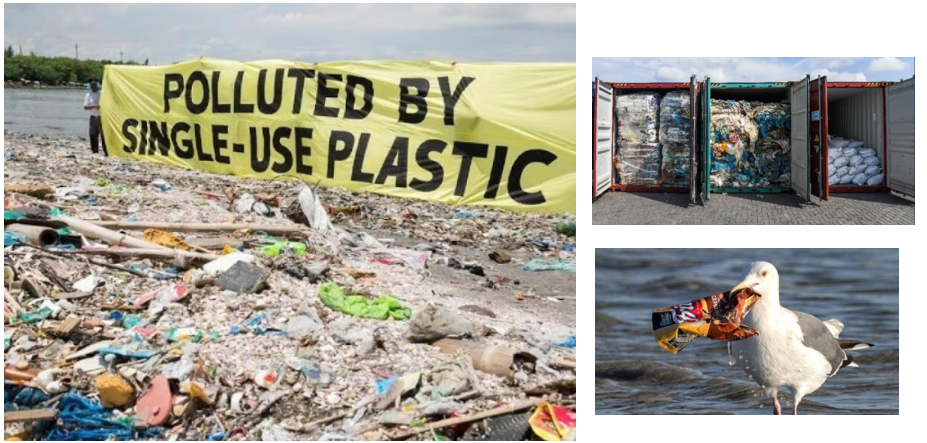
Walking through any city shows how throwaway culture still dominates. Single-use plastics are widely used because they are cheap and easy to use, but their environmental impact is significant. According to the United Nations Environment Programme, only about 9% of all plastic ever made has been recycled. At the same time, the rest ends up in landfills, waterways, or the ocean, where it can last for hundreds of years. Wildlife suffers greatly with studies finding that nearly 90% of seabirds have swallowed plastic at least once. These facts clearly show that waste is not just an environmental issue but a sign of a global system built on disposability.
Another important lesson is the problem of unequal responsibility. Although high-income countries make up only a small part of the world’s population, they produce a much larger share of the world’s waste. For decades, much of that waste was shipped overseas, mislabeled as "recyclable," poisoning developing nations with toxic materials. This creates real public health risks, pollutes local environments, and reveals deep inequalities in the global waste trade. The crisis highlights that waste management cannot be discussed without questions of justice and ethics.
Addressing the waste crisis needs more than just green gestures. It calls for a significant change, in which pollution is no longer considered normal in today’s world. The key to this change is an actual circular economy. Instead of making things to be thrown away fast, companies should create products that can be reused, fixed, and remade. Rules like Extended Producer Responsibility should be mandatory. When makers are responsible for their products from start to finish, designing for sustainability becomes a wise choice, not just the right thing to do.
Transparency must also improve. Confusing recycling labels and misleading claims continue to confuse the public about how waste is managed. Transparent and honest information about recycling rates, disposal methods, and types of materials is essential to build trust. Real progress happens when waste systems can be monitored without false green promises. At the same time, community efforts remain critical. While individual actions alone cannot solve global pollution, they help create cultural changes. Schools, local governments, and volunteer groups play a key role in shaping public attitudes and pushing for policy changes. These efforts work best when supported by firm national plans, better waste facilities, and consistent enforcement.
Malaysia shows a strong example of learning and responding to the global waste crisis. After China stopped accepting plastic waste in 2018, much of that waste was redirected to Malaysia. Illegal recycling factories appeared quickly, especially in Selangor and Penang, operating without permits and releasing harmful fumes into nearby communities. Large piles of contaminated plastic were dumped in open areas and often burned, causing air pollution and health problems. The government’s choice to send back thousands of tonnes of illegal waste to countries like the United States, Canada, and the United Kingdom was a turning point. This decision showed that Malaysia would not accept environmental damage disguised as recycling. It also challenged the usual power imbalance in the global waste trade by holding richer countries responsible for the pollution they send abroad. This vital action reflects the spirit of International Environment Day by learning from injustice, facing environmental harm directly, and striving for a future grounded in fairness and responsibility.
The waste crisis teaches a hard truth: pollution is not just a problem with our technology but a problem with our choices and values. Understanding this crisis means recognising that environmental damage is connected to human actions, political decisions, and economic systems. Creating a greener future requires integrity, innovation, and courage from institutions, industries, and individuals. A cleaner future can be achieved only if the lessons from today’s waste crisis guide higher expectations for tomorrow.
One of the most uncomfortable truths from the global waste problem is that the idea of throwing something away has always been an illusion. For many years, the standard approach was to hide waste rather than properly manage it. Landfills grew taller, rivers became dumping grounds, and developing countries often received unwanted plastics. The effects are visible everywhere with polluted coastlines, burning dumpsites, microplastics entering food chains, and harmful gases released into the air.
Walking through any city shows how throwaway culture still dominates. Single-use plastics are widely used because they are cheap and easy to use, but their environmental impact is significant. According to the United Nations Environment Programme, only about 9% of all plastic ever made has been recycled. At the same time, the rest ends up in landfills, waterways, or the ocean, where it can last for hundreds of years. Wildlife suffers greatly with studies finding that nearly 90% of seabirds have swallowed plastic at least once. These facts clearly show that waste is not just an environmental issue but a sign of a global system built on disposability.
Another important lesson is the problem of unequal responsibility. Although high-income countries make up only a small part of the world’s population, they produce a much larger share of the world’s waste. For decades, much of that waste was shipped overseas, mislabeled as "recyclable," poisoning developing nations with toxic materials. This creates real public health risks, pollutes local environments, and reveals deep inequalities in the global waste trade. The crisis highlights that waste management cannot be discussed without questions of justice and ethics.
Addressing the waste crisis needs more than just green gestures. It calls for a significant change, in which pollution is no longer considered normal in today’s world. The key to this change is an actual circular economy. Instead of making things to be thrown away fast, companies should create products that can be reused, fixed, and remade. Rules like Extended Producer Responsibility should be mandatory. When makers are responsible for their products from start to finish, designing for sustainability becomes a wise choice, not just the right thing to do.
Transparency must also improve. Confusing recycling labels and misleading claims continue to confuse the public about how waste is managed. Transparent and honest information about recycling rates, disposal methods, and types of materials is essential to build trust. Real progress happens when waste systems can be monitored without false green promises. At the same time, community efforts remain critical. While individual actions alone cannot solve global pollution, they help create cultural changes. Schools, local governments, and volunteer groups play a key role in shaping public attitudes and pushing for policy changes. These efforts work best when supported by firm national plans, better waste facilities, and consistent enforcement.
Malaysia shows a strong example of learning and responding to the global waste crisis. After China stopped accepting plastic waste in 2018, much of that waste was redirected to Malaysia. Illegal recycling factories appeared quickly, especially in Selangor and Penang, operating without permits and releasing harmful fumes into nearby communities. Large piles of contaminated plastic were dumped in open areas and often burned, causing air pollution and health problems. The government’s choice to send back thousands of tonnes of illegal waste to countries like the United States, Canada, and the United Kingdom was a turning point. This decision showed that Malaysia would not accept environmental damage disguised as recycling. It also challenged the usual power imbalance in the global waste trade by holding richer countries responsible for the pollution they send abroad. This vital action reflects the spirit of International Environment Day by learning from injustice, facing environmental harm directly, and striving for a future grounded in fairness and responsibility.
The waste crisis teaches a hard truth: pollution is not just a problem with our technology but a problem with our choices and values. Understanding this crisis means recognising that environmental damage is connected to human actions, political decisions, and economic systems. Creating a greener future requires integrity, innovation, and courage from institutions, industries, and individuals. A cleaner future can be achieved only if the lessons from today’s waste crisis guide higher expectations for tomorrow.
References
Earthday. (2024, July 9). How Our Trash Impacts the Environment. Earth Day. https://www.earthday.org/how-our-trash-impacts-the-environment/
Ng, C. H., Mistoh, M. A., Teo, S. H., Galassi, A., Ibrahim, A., Sipaut, C. S., Foo, J., Seay, J., Taufiq‐Yap, Y. H., & Janaun, J. (2023). Plastic waste and microplastic issues in Southeast Asia. Frontiers in Environmental Science, 11. https://doi.org/10.3389/fenvs.2023.1142071
Parker, L. (2025, May 28). The world’s plastic pollution crisis, explained. National Geographic. https://www.nationalgeographic.com/environment/article/plastic-pollution
The Star Online. (2025, June 26). Malaysia’s role in the global effort in the war against plastic. The
Earthday. (2024, July 9). How Our Trash Impacts the Environment. Earth Day. https://www.earthday.org/how-our-trash-impacts-the-environment/
Ng, C. H., Mistoh, M. A., Teo, S. H., Galassi, A., Ibrahim, A., Sipaut, C. S., Foo, J., Seay, J., Taufiq‐Yap, Y. H., & Janaun, J. (2023). Plastic waste and microplastic issues in Southeast Asia. Frontiers in Environmental Science, 11. https://doi.org/10.3389/fenvs.2023.1142071
Parker, L. (2025, May 28). The world’s plastic pollution crisis, explained. National Geographic. https://www.nationalgeographic.com/environment/article/plastic-pollution
The Star Online. (2025, June 26). Malaysia’s role in the global effort in the war against plastic. The
