

Green Growth in Malaysia: Lessons from Early Sustainable Development Initiatives
Introduction
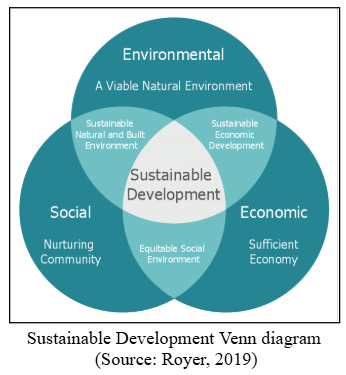
Sustainable development is recognised as one of the defining goals of the day, driven by growing awareness that economic growth cannot be sustained at the cost of environmental sustainability. The global crisis of climate change, resource depletion, and ecological degradation shows that traditional development models based on short-term growth are no longer practicable. In recent years, the public discussion has started to acknowledge the essential role of youth in accelerating sustainable development objectives.
Sustainable development is recognised as one of the defining goals of the day, driven by growing awareness that economic growth cannot be sustained at the cost of environmental sustainability. The global crisis of climate change, resource depletion, and ecological degradation shows that traditional development models based on short-term growth are no longer practicable. In recent years, the public discussion has started to acknowledge the essential role of youth in accelerating sustainable development objectives.
Key Lessons from Past Sustainable Development
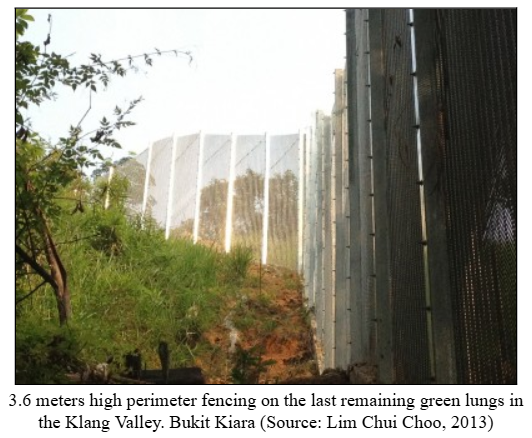
Malaysia's previous development history often prioritised economic expansion over ecological protection, resulting in many types of environmental degradation. Rapid industrialisation and urbanisation intensified deforestation, biodiversity loss, pollution, and conflicts over native lands, indicating a significant gap between growth and ecological conservation. According to Najam (2007), accelerated economic activity puts more pressure on limited natural resources, increasing vulnerability to environmental degradation. These concerns are reflected in Malaysia's declining Environmental Performance Index rankings, which underscore ongoing challenges in reducing emissions and managing pollution. The Star (2014) also shows that unsustainable development patterns remained into the 2010s, as demonstrated by widespread forest clearing, unpredictable weather events, wildlife poaching, and conflict-ridden development schemes, including the encroachment on Bukit Kiara, which was once Kuala Lumpur's primary green lung. Overall, these trends demonstrate that Malaysia's growth model was structurally unsustainable, exerting ecological pressure and highlight the need for more substantial conservation efforts and adjustments.
Malaysia's previous development history often prioritised economic expansion over ecological protection, resulting in many types of environmental degradation. Rapid industrialisation and urbanisation intensified deforestation, biodiversity loss, pollution, and conflicts over native lands, indicating a significant gap between growth and ecological conservation. According to Najam (2007), accelerated economic activity puts more pressure on limited natural resources, increasing vulnerability to environmental degradation. These concerns are reflected in Malaysia's declining Environmental Performance Index rankings, which underscore ongoing challenges in reducing emissions and managing pollution. The Star (2014) also shows that unsustainable development patterns remained into the 2010s, as demonstrated by widespread forest clearing, unpredictable weather events, wildlife poaching, and conflict-ridden development schemes, including the encroachment on Bukit Kiara, which was once Kuala Lumpur's primary green lung. Overall, these trends demonstrate that Malaysia's growth model was structurally unsustainable, exerting ecological pressure and highlight the need for more substantial conservation efforts and adjustments.
In response to these structural shortcomings, Malaysia’s early green-job expansion emerged primarily through policy-driven interventions rather than market-led demand, revealing both progress and persistent constraints. Instruments such as the Renewable Energy Act 2011 and its Feed-in Tariff (FiT) mechanism, together with the Green Technology Financing Scheme (GTFS), stimulated private-sector involvement in renewable energy and green technology [Sustainable Energy Development Authority (SEDA) Malaysia, n.d.]. They reduced investment risks, allowing companies such as Solarvest, Pekat Solar, and Plus Solar to grow from modest start-ups to national industry leaders. However, this expansion was narrowly focused, particularly in solar installation and consultation services, indicating that policy incentives boosted activity without effectively broadening the green-economy ecosystem. The sector also relied on regulatory consistency, as FiT revisions and contradicting long-term commitments regularly constrained expansion, revealing the vulnerability of early green-job creation.
Current Efforts on Sustainable Development
Based on past experiences, Malaysia is adopting a more systematic approach to sustainable development. The National Energy Transition Roadmap (NETR) prioritises renewable energy, aiming for 31% of electricity by 2025, 40% by 2035, and up to 70% by 2050 (Malaysian Investment Development Authority [MIDA], 2024). This approach not only reduces dependency on fossil fuels but also creates a broader range of green jobs in solar and bioenergy, hydrogen, energy storage, and power grid management. By establishing clearly defined long-term objectives, NETR boosts investor confidence and policy dependability, thereby addressing weaknesses in early green-job efforts.
The Low Carbon Mobility Blueprint (LCMB) 2021-2030 enhances energy reforms by focusing on reducing emissions from transportation, which accounts for a significant portion of Malaysia's carbon footprint. The plan aims to electrify 80% of vehicles by 2050 and establish charging stations statewide (Malaysian Green Technology and Climate Change Corporation [MGTC], 2020). This plan links technology adoption with job creation in electric vehicle manufacturing, maintenance, and related services. Unlike past green-job policies, which focused mainly on solar installation and consultancy, these initiatives take a broader, multi-sector approach to building a green economy.
In addition to these sectoral activities, supporting frameworks and multi-stakeholder processes facilitate the transformation of policy objectives into practical, economically feasible, and coordinated programs. The National Climate Change Policy 2.0, along with the Malaysia National Adaptation Plan (MyNAP), directs capital, incentives, and policies toward renewable energy, the adoption of green technologies, and climate-resilient projects in sectors such as urban planning, infrastructure, and water management. GTFS, GITA, GITE, FiT, LSS, NEM, carbon markets, and planned carbon pricing are all tools that offer formal support to green efforts. These instruments reduce investment barriers and make climate-aligned initiatives accessible to investors, particularly in situations in which upfront costs and perceived risks would usually discourage private actors (Ministry of Natural Resources and Environmental Sustainability [NRES], 2024). Hence, combining these mechanisms with MyNAP’s multi-stakeholder approach expands the green-economy workforce and strengthens institutional coordination. It also incorporates sustainability into urban and sectoral planning, ensuring that adaptation and low-carbon policies are both comprehensive and practicable.
References
Malaysian Green Technology and Climate Change Corporation (MGTC). (2020). Low Carbon Mobility Blueprint (LCMB). https://www.mgtc.gov.my/what-we-do/low-carbon-mobility-2/low-carbon-mobility-blueprint/
Malaysian Investment Development Authority (MIDA). (2024, January 31). National Energy Transition Roadmap (NETR): Charting a path to a sustainable energy landscape. https://www.mida.gov.my/national-energy-transition-roadmap-netr-charting-a-path-to-a-sustainable-energy-landscape/
Ministry of Natural Resources and Environmental Sustainability (NRES). (2024). National Policy on Climate Change 2.0. https://www.nres.gov.my/ms-my/pustakamedia/Penerbitan/National%20Policy%20on%20Climate%20Change%202.0.pdf
Najam, A., Halle, M., & Meléndez-Ortiz, R. (2007). Trade and Environment. International Centre for Trade and Sustainable Development (ICTSD), 49-65.
Sustainable Energy Development Authority (SEDA) Malaysia. (n.d.). History of FiT in Malaysia. https://dev.seda.gov.my/seda_dev/history_of_malaysian_fit.html
The Star. (2014, November 3). 'The Star' editor wins green award. https://www.thestar.com.my/News/Nation/2014/11/03/The-Star-editor-wins-green-award/
Current Efforts on Sustainable Development
Based on past experiences, Malaysia is adopting a more systematic approach to sustainable development. The National Energy Transition Roadmap (NETR) prioritises renewable energy, aiming for 31% of electricity by 2025, 40% by 2035, and up to 70% by 2050 (Malaysian Investment Development Authority [MIDA], 2024). This approach not only reduces dependency on fossil fuels but also creates a broader range of green jobs in solar and bioenergy, hydrogen, energy storage, and power grid management. By establishing clearly defined long-term objectives, NETR boosts investor confidence and policy dependability, thereby addressing weaknesses in early green-job efforts.
The Low Carbon Mobility Blueprint (LCMB) 2021-2030 enhances energy reforms by focusing on reducing emissions from transportation, which accounts for a significant portion of Malaysia's carbon footprint. The plan aims to electrify 80% of vehicles by 2050 and establish charging stations statewide (Malaysian Green Technology and Climate Change Corporation [MGTC], 2020). This plan links technology adoption with job creation in electric vehicle manufacturing, maintenance, and related services. Unlike past green-job policies, which focused mainly on solar installation and consultancy, these initiatives take a broader, multi-sector approach to building a green economy.
In addition to these sectoral activities, supporting frameworks and multi-stakeholder processes facilitate the transformation of policy objectives into practical, economically feasible, and coordinated programs. The National Climate Change Policy 2.0, along with the Malaysia National Adaptation Plan (MyNAP), directs capital, incentives, and policies toward renewable energy, the adoption of green technologies, and climate-resilient projects in sectors such as urban planning, infrastructure, and water management. GTFS, GITA, GITE, FiT, LSS, NEM, carbon markets, and planned carbon pricing are all tools that offer formal support to green efforts. These instruments reduce investment barriers and make climate-aligned initiatives accessible to investors, particularly in situations in which upfront costs and perceived risks would usually discourage private actors (Ministry of Natural Resources and Environmental Sustainability [NRES], 2024). Hence, combining these mechanisms with MyNAP’s multi-stakeholder approach expands the green-economy workforce and strengthens institutional coordination. It also incorporates sustainability into urban and sectoral planning, ensuring that adaptation and low-carbon policies are both comprehensive and practicable.
References
Malaysian Green Technology and Climate Change Corporation (MGTC). (2020). Low Carbon Mobility Blueprint (LCMB). https://www.mgtc.gov.my/what-we-do/low-carbon-mobility-2/low-carbon-mobility-blueprint/
Malaysian Investment Development Authority (MIDA). (2024, January 31). National Energy Transition Roadmap (NETR): Charting a path to a sustainable energy landscape. https://www.mida.gov.my/national-energy-transition-roadmap-netr-charting-a-path-to-a-sustainable-energy-landscape/
Ministry of Natural Resources and Environmental Sustainability (NRES). (2024). National Policy on Climate Change 2.0. https://www.nres.gov.my/ms-my/pustakamedia/Penerbitan/National%20Policy%20on%20Climate%20Change%202.0.pdf
Najam, A., Halle, M., & Meléndez-Ortiz, R. (2007). Trade and Environment. International Centre for Trade and Sustainable Development (ICTSD), 49-65.
Sustainable Energy Development Authority (SEDA) Malaysia. (n.d.). History of FiT in Malaysia. https://dev.seda.gov.my/seda_dev/history_of_malaysian_fit.html
The Star. (2014, November 3). 'The Star' editor wins green award. https://www.thestar.com.my/News/Nation/2014/11/03/The-Star-editor-wins-green-award/
