Forest Restoration
Introduction
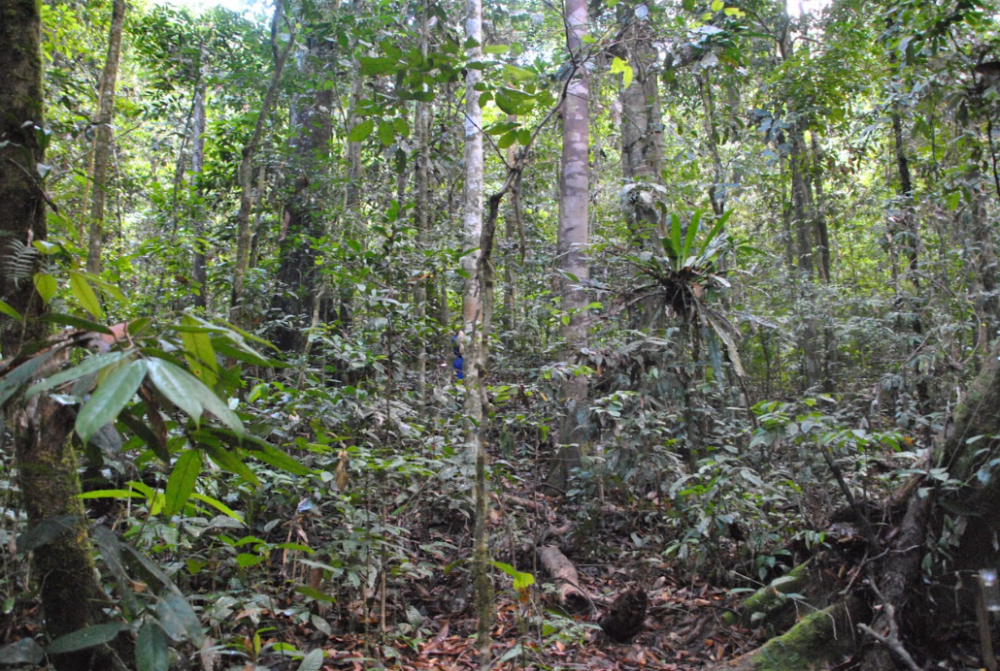
Forest restoration, which rebuilds forests degraded by human activities or natural disasters, is one of the most crucial strategies for addressing global challenges such as climate change, biodiversity loss, and long-term human well-being. High-quality restoration aims to recover not just the trees themselves, but also the full complexity of forest ecosystems and the social fabric tied to them (Annetts, 2025).
The Importance of Forest Restoration
Forests provide crucial ecosystem services, including the regulation of water cycles, protection of soil, habitat for wildlife, carbon sequestration, and resources for people. Today, many nations and organisations have committed to ambitious restoration targets. For example, global campaigns, such as the Bonn Challenge, plan to restore hundreds of millions of hectares of degraded forestland. These efforts are essential not only for environmental health, but also for meeting the needs of communities that rely on forest products and services for their livelihoods (Appanah et al., 2016).
Restoration Techniques
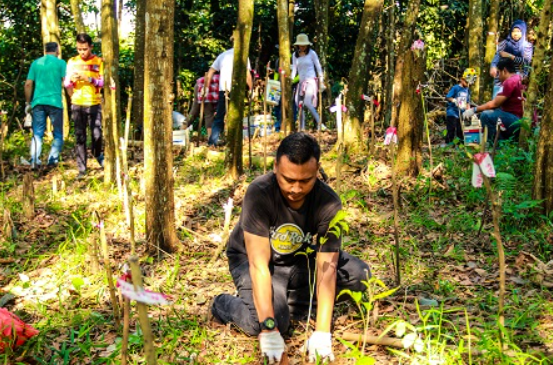
Restoration strategies vary, but common approaches include tree planting, assisted natural regeneration (protecting and stewarding natural seedlings), agroforestry, and forest landscape restoration (FLR). FLR is a planned and participatory process that integrates ecological, economic, and social objectives. It focuses on entire landscapes rather than isolated patches, making it possible to generate multiple benefits and lasting change. Natural regeneration often delivers greater environmental benefits, such as enhanced water regulation and biodiversity, particularly when restoration is conducted on a large spatial scale (Pacheco et al., 2024).
Benefits of Successful Restoration
Quality forest restoration offers far-reaching rewards, including:
i. Climate Change Mitigation: Healthy forests sequester significant amounts of carbon, offering one of the most cost-effective ways to reduce atmospheric greenhouse gases.
ii. Biodiversity Recovery: Restored habitats improve conditions for wild species and support genetic diversity.
iii. Economic and Social Well-being: Participatory restoration improves community resilience, expands livelihood opportunities, and strengthens local stewardship of natural resources.
iv. Ecosystem Services: Improved soil conditions result in better water quality, enhanced erosion control, and increased productivity.
Real-life restoration projects, such as those in post-mining landscapes or degraded tropical forests, have demonstrated marked improvements in soil properties, tree cover, and carbon sequestration, drawing closer to the conditions of untouched forests with continued human engagement and proper management (Frederick Gyasi Damptey, 2023).
Key Challenges and Lessons Learned
Restoring forests is complex and often faces major obstacles:
i. Insufficient Funding: Most restoration teams lack adequate financial support, jeopardising long-term outcomes and sustainability.
Poor project design, such as planting monocultures or non-native species without proper planning, can harm local ecosystems and limit future benefits. Success depends on selecting a diversity of locally adapted species and considering social contexts.
ii. Land Tenure and Community Involvement: Restoration only succeeds when local communities have clear rights, participate in decision-making, and see clear benefits.
iii. Climate and Ecological Risks: Climate variability, poor soil conditions, and conflicts between land uses all complicate restoration and may slow ecological recovery.
iv. Continuous Improvement: Monitoring, adapting methods, and learning from past failures are vital for long-term success.
Conclusion: Towards Lasting Impact
The future of forest restoration depends on integrating ecological goals with community involvement, economic viability, and policy support. As a field, forest restoration needs more attention not just to the act of planting trees, but to long-term care, monitoring, and adapting strategies to local contexts. Societal engagement and a culture of continuous improvement, where lessons from both successes and failures are shared, are key to durable results. Forest restoration will continue to be a cornerstone for a sustainable future, protecting the planet while improving lives and livelihoods. But the challenges require thoughtful planning, inclusive participation, and commitment to high standards and adaptive management in every project.
References
Annetts, M. (2025, March 21). Forest Landscape Restoration: Why a culture of continuous improvement is vital for long-term success - Trillion Trees. Trillion Trees. https://trilliontrees.org/2025/03/21/forest-landscape-restoration-why-a-culture-of-continuous-improvement-is-vital-for-long-term-success/
Pacheco, P., Beatty, C., & Patel, J. (2024). An economic view on the costs and benefits of forest restoration. 238–260. https://doi.org/10.1093/9780197683958.003.0009
Making sure you’re not a bot! (2025). Kobv.de. https://opus4.kobv.de/opus4-btu/frontdoor/deliver/index/docId/6258/file/Damptey_Frederick_Gyasi.pdf
Appanah S., And, F., & Center, T. (2016). Forest landscape restoration for Asia-Pacific forests. Food And Agriculture Organisation Of The United Nations.
Cole, R. J., Werden, L. K., Fidel Chiriboga Arroyo, Karina Mendez Quirós, Gerald Quirós Cedeño, & Crowther, T. W. (2024). Forest restoration in practice across Latin America. Biological Conservation, 294, 110608–110608. https://doi.org/10.1016/j.biocon.2024.110608
Vesho, Nikolla. (2022). Ph.D. Thesis (Vesho, 2022) | Cultural Heritage Restoration in Tirana, period 1920-'40. BIM modeling, Seismic simulation and Theoretical interpretations. 10.13140/RG.2.2.13949.54245
Forest restoration, which rebuilds forests degraded by human activities or natural disasters, is one of the most crucial strategies for addressing global challenges such as climate change, biodiversity loss, and long-term human well-being. High-quality restoration aims to recover not just the trees themselves, but also the full complexity of forest ecosystems and the social fabric tied to them (Annetts, 2025).
The Importance of Forest Restoration
Forests provide crucial ecosystem services, including the regulation of water cycles, protection of soil, habitat for wildlife, carbon sequestration, and resources for people. Today, many nations and organisations have committed to ambitious restoration targets. For example, global campaigns, such as the Bonn Challenge, plan to restore hundreds of millions of hectares of degraded forestland. These efforts are essential not only for environmental health, but also for meeting the needs of communities that rely on forest products and services for their livelihoods (Appanah et al., 2016).
Restoration Techniques
Restoration strategies vary, but common approaches include tree planting, assisted natural regeneration (protecting and stewarding natural seedlings), agroforestry, and forest landscape restoration (FLR). FLR is a planned and participatory process that integrates ecological, economic, and social objectives. It focuses on entire landscapes rather than isolated patches, making it possible to generate multiple benefits and lasting change. Natural regeneration often delivers greater environmental benefits, such as enhanced water regulation and biodiversity, particularly when restoration is conducted on a large spatial scale (Pacheco et al., 2024).
Benefits of Successful Restoration
Quality forest restoration offers far-reaching rewards, including:
i. Climate Change Mitigation: Healthy forests sequester significant amounts of carbon, offering one of the most cost-effective ways to reduce atmospheric greenhouse gases.
ii. Biodiversity Recovery: Restored habitats improve conditions for wild species and support genetic diversity.
iii. Economic and Social Well-being: Participatory restoration improves community resilience, expands livelihood opportunities, and strengthens local stewardship of natural resources.
iv. Ecosystem Services: Improved soil conditions result in better water quality, enhanced erosion control, and increased productivity.
Real-life restoration projects, such as those in post-mining landscapes or degraded tropical forests, have demonstrated marked improvements in soil properties, tree cover, and carbon sequestration, drawing closer to the conditions of untouched forests with continued human engagement and proper management (Frederick Gyasi Damptey, 2023).
Key Challenges and Lessons Learned
Restoring forests is complex and often faces major obstacles:
i. Insufficient Funding: Most restoration teams lack adequate financial support, jeopardising long-term outcomes and sustainability.
Poor project design, such as planting monocultures or non-native species without proper planning, can harm local ecosystems and limit future benefits. Success depends on selecting a diversity of locally adapted species and considering social contexts.
ii. Land Tenure and Community Involvement: Restoration only succeeds when local communities have clear rights, participate in decision-making, and see clear benefits.
iii. Climate and Ecological Risks: Climate variability, poor soil conditions, and conflicts between land uses all complicate restoration and may slow ecological recovery.
iv. Continuous Improvement: Monitoring, adapting methods, and learning from past failures are vital for long-term success.
Conclusion: Towards Lasting Impact
The future of forest restoration depends on integrating ecological goals with community involvement, economic viability, and policy support. As a field, forest restoration needs more attention not just to the act of planting trees, but to long-term care, monitoring, and adapting strategies to local contexts. Societal engagement and a culture of continuous improvement, where lessons from both successes and failures are shared, are key to durable results. Forest restoration will continue to be a cornerstone for a sustainable future, protecting the planet while improving lives and livelihoods. But the challenges require thoughtful planning, inclusive participation, and commitment to high standards and adaptive management in every project.
References
Annetts, M. (2025, March 21). Forest Landscape Restoration: Why a culture of continuous improvement is vital for long-term success - Trillion Trees. Trillion Trees. https://trilliontrees.org/2025/03/21/forest-landscape-restoration-why-a-culture-of-continuous-improvement-is-vital-for-long-term-success/
Pacheco, P., Beatty, C., & Patel, J. (2024). An economic view on the costs and benefits of forest restoration. 238–260. https://doi.org/10.1093/9780197683958.003.0009
Making sure you’re not a bot! (2025). Kobv.de. https://opus4.kobv.de/opus4-btu/frontdoor/deliver/index/docId/6258/file/Damptey_Frederick_Gyasi.pdf
Appanah S., And, F., & Center, T. (2016). Forest landscape restoration for Asia-Pacific forests. Food And Agriculture Organisation Of The United Nations.
Cole, R. J., Werden, L. K., Fidel Chiriboga Arroyo, Karina Mendez Quirós, Gerald Quirós Cedeño, & Crowther, T. W. (2024). Forest restoration in practice across Latin America. Biological Conservation, 294, 110608–110608. https://doi.org/10.1016/j.biocon.2024.110608
Vesho, Nikolla. (2022). Ph.D. Thesis (Vesho, 2022) | Cultural Heritage Restoration in Tirana, period 1920-'40. BIM modeling, Seismic simulation and Theoretical interpretations. 10.13140/RG.2.2.13949.54245