The True Cost of a T-Shirt: Assessing Fast Fashion’s Contribution to Forest Loss and Climate Vulnerability
Introduction
Fast fashion has become one of the largest industries globally. It produces clothing quickly and cheaply to follow the latest fashion trends, often promoted through social media. However, behind these stylish garments lies a serious environmental concern: deforestation and the increasing vulnerability of the global climate system. This article examines the role of the fast fashion industry in contributing to forest degradation, greenhouse gas emissions, and environmental pollution, all of which threaten the planet’s ecological balance.
Fast Fashion and Forest Loss
Wood-Based Fibres
A significant portion of fast fashion products, including T-shirts, are made from wood-based cellulosic fibres such as rayon, viscose, and modal. These fibres are derived from cellulose, a natural compound found in the cell walls of plants. To produce these materials, trees are harvested and processed into pulp. It is estimated that 150 to 200 million trees are used annually for this purpose, with much of the raw material sourced from Indonesia, Canada, and the Amazon Basin regions that contain some of the world’s most vital forest ecosystems.
To meet rising global demand, natural forests are often replaced with monoculture plantations, such as eucalyptus. While these trees multiply, they fail to support biodiversity as effectively as natural forests. Consequently, many wildlife species lose their habitats, and forest ecosystems become weaker. Furthermore, the production process involves the use of chemical treatments that can contaminate rivers and soils, posing risks to surrounding wildlife and human populations.
Deforestation for leather production
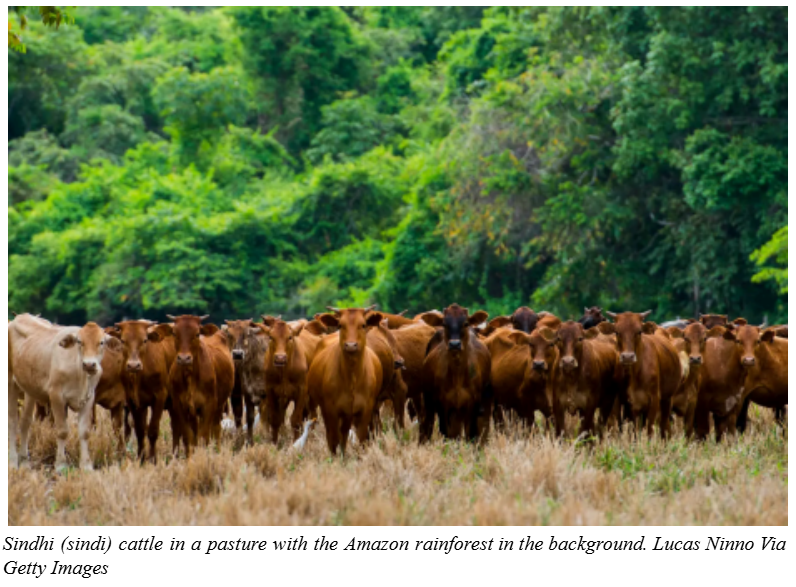
Leather is another essential material in the fast fashion industry, particularly for footwear, jackets, and handbags. Most leather is produced from cattle ranching, which is among the primary drivers of deforestation in the Amazon rainforest. Large areas of forest are cleared or burned to create grazing land for livestock. This process not only destroys critical habitats but also releases significant amounts of carbon dioxide into the atmosphere, contributing to global warming. Unfortunately, many fashion companies continue to source low-cost leather without verifying its sustainability, thereby intensifying the problem.
Contribution to Climate Vulnerability
Greenhouse gas emissions
The global fashion industry is responsible for an estimated 8–10% of total carbon emissions, exceeding the combined emissions from international aviation and maritime transport. Synthetic fabrics, such as polyester, nylon, and acrylic, require substantial amounts of energy and petroleum for their production. These materials are non-renewable and can persist in the environment for hundreds of years. Both production and disposal processes emit carbon dioxide and methane, greenhouse gases that trap heat and contribute to accelerated climate change. As global temperatures rise, forests become increasingly vulnerable to wildfires, droughts, and pest infestations. Damaged forests lose their capacity to store carbon, creating a feedback loop that further intensifies climate change through deforestation.
Land degradation and biodiversity loss
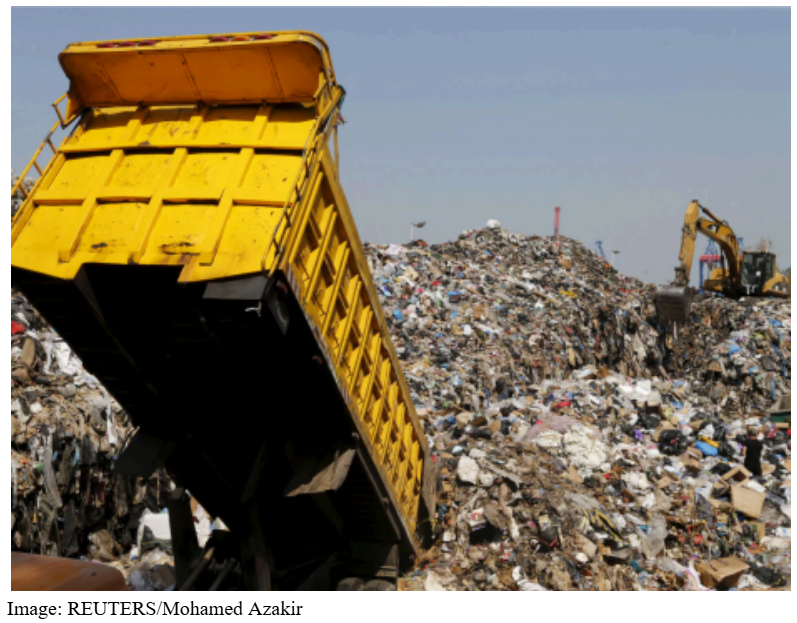
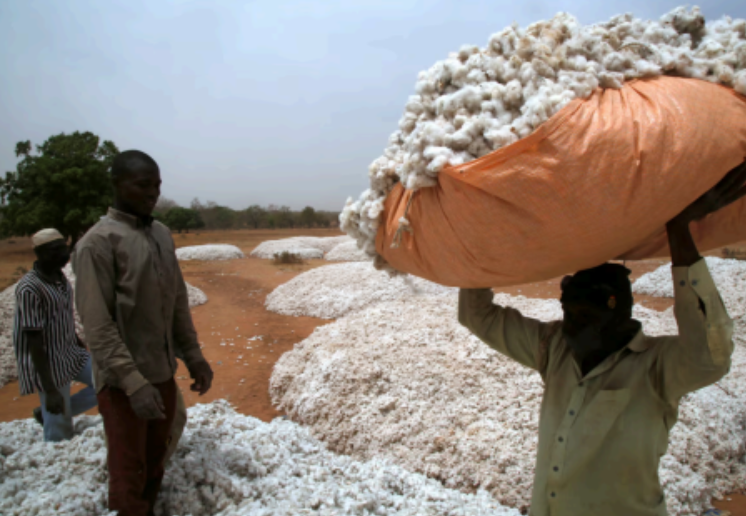
Fast fashion also contributes to land degradation through the intensive cultivation of cotton. Cotton farming relies heavily on pesticides and fertilisers, which degrade soil structure and threaten biodiversity. Moreover, about 85% of clothing ends up in landfills each year. Many of these garments are made from synthetic materials that take hundreds of years to decompose and release methane, a potent greenhouse gas. The construction of new landfill sites often involves further deforestation, resulting in additional habitat loss.
Conclusion
Fashion brands should shift away from the “take, make, throw away” system and adopt a circular model, where materials are reused and recycled. Governments should implement stricter regulations to ensure that raw materials are sourced from certified sustainable sources, such as those recognised by the Forest Stewardship Council (FSC) or the Programme for the Endorsement of Forest Certification (PEFC). Consumers can also help by supporting slow fashion, buying fewer, more durable clothes, and choosing brands that are transparent about their supply chains. By making small but smart choices, we can protect the forests that are the “lungs of the world.” The real cost of a T-shirt is not in its price, but in the trees, animals, and clean air lost to produce it. Reducing the impact of fast fashion means giving forests a chance to recover and remain resilient in the face of climate change.
References
On World Rainforest Day, 45 fashion brands commit to keeping Canopy. (2020, June 21). Canopy Planet. https://canopyplanet.org/news/on-world-rainforest-day-45-fashion-brands-commit-to-kee ping-forests-standing
Maiti, R. (2025, January 20). Fast Fashion and its environmental impact in 2025 | Earth.Org. Earth.Org.
https://earth.org/fast-fashions-detrimental-effect-on-the-environment/#:~:text=Fast%20fa shion%20has%20a%20significant,flights%20and%20maritime%20shipping%20combine d.
McFall-Johnsen, M. (2020, January 31). These facts demonstrate the unsustainable nature of the fashion industry. World Economic Forum. ………https://www.weforum.org/stories/2020/01/fashion-industry-carbon-unsustainable-environment-pollution/
Fast fashion has become one of the largest industries globally. It produces clothing quickly and cheaply to follow the latest fashion trends, often promoted through social media. However, behind these stylish garments lies a serious environmental concern: deforestation and the increasing vulnerability of the global climate system. This article examines the role of the fast fashion industry in contributing to forest degradation, greenhouse gas emissions, and environmental pollution, all of which threaten the planet’s ecological balance.
Fast Fashion and Forest Loss
Wood-Based Fibres
A significant portion of fast fashion products, including T-shirts, are made from wood-based cellulosic fibres such as rayon, viscose, and modal. These fibres are derived from cellulose, a natural compound found in the cell walls of plants. To produce these materials, trees are harvested and processed into pulp. It is estimated that 150 to 200 million trees are used annually for this purpose, with much of the raw material sourced from Indonesia, Canada, and the Amazon Basin regions that contain some of the world’s most vital forest ecosystems.
To meet rising global demand, natural forests are often replaced with monoculture plantations, such as eucalyptus. While these trees multiply, they fail to support biodiversity as effectively as natural forests. Consequently, many wildlife species lose their habitats, and forest ecosystems become weaker. Furthermore, the production process involves the use of chemical treatments that can contaminate rivers and soils, posing risks to surrounding wildlife and human populations.
Deforestation for leather production
Leather is another essential material in the fast fashion industry, particularly for footwear, jackets, and handbags. Most leather is produced from cattle ranching, which is among the primary drivers of deforestation in the Amazon rainforest. Large areas of forest are cleared or burned to create grazing land for livestock. This process not only destroys critical habitats but also releases significant amounts of carbon dioxide into the atmosphere, contributing to global warming. Unfortunately, many fashion companies continue to source low-cost leather without verifying its sustainability, thereby intensifying the problem.
Contribution to Climate Vulnerability
Greenhouse gas emissions
The global fashion industry is responsible for an estimated 8–10% of total carbon emissions, exceeding the combined emissions from international aviation and maritime transport. Synthetic fabrics, such as polyester, nylon, and acrylic, require substantial amounts of energy and petroleum for their production. These materials are non-renewable and can persist in the environment for hundreds of years. Both production and disposal processes emit carbon dioxide and methane, greenhouse gases that trap heat and contribute to accelerated climate change. As global temperatures rise, forests become increasingly vulnerable to wildfires, droughts, and pest infestations. Damaged forests lose their capacity to store carbon, creating a feedback loop that further intensifies climate change through deforestation.
Land degradation and biodiversity loss
Fast fashion also contributes to land degradation through the intensive cultivation of cotton. Cotton farming relies heavily on pesticides and fertilisers, which degrade soil structure and threaten biodiversity. Moreover, about 85% of clothing ends up in landfills each year. Many of these garments are made from synthetic materials that take hundreds of years to decompose and release methane, a potent greenhouse gas. The construction of new landfill sites often involves further deforestation, resulting in additional habitat loss.
Conclusion
Fashion brands should shift away from the “take, make, throw away” system and adopt a circular model, where materials are reused and recycled. Governments should implement stricter regulations to ensure that raw materials are sourced from certified sustainable sources, such as those recognised by the Forest Stewardship Council (FSC) or the Programme for the Endorsement of Forest Certification (PEFC). Consumers can also help by supporting slow fashion, buying fewer, more durable clothes, and choosing brands that are transparent about their supply chains. By making small but smart choices, we can protect the forests that are the “lungs of the world.” The real cost of a T-shirt is not in its price, but in the trees, animals, and clean air lost to produce it. Reducing the impact of fast fashion means giving forests a chance to recover and remain resilient in the face of climate change.
References
On World Rainforest Day, 45 fashion brands commit to keeping Canopy. (2020, June 21). Canopy Planet. https://canopyplanet.org/news/on-world-rainforest-day-45-fashion-brands-commit-to-kee ping-forests-standing
Maiti, R. (2025, January 20). Fast Fashion and its environmental impact in 2025 | Earth.Org. Earth.Org.
https://earth.org/fast-fashions-detrimental-effect-on-the-environment/#:~:text=Fast%20fa shion%20has%20a%20significant,flights%20and%20maritime%20shipping%20combine d.
McFall-Johnsen, M. (2020, January 31). These facts demonstrate the unsustainable nature of the fashion industry. World Economic Forum. ………https://www.weforum.org/stories/2020/01/fashion-industry-carbon-unsustainable-environment-pollution/