How Forests Capture Carbon and Cool Our Planet
Introduction
Forests, as the habitat for most biodiversity, occupy 31 per cent of the global land area, which is approximately 4.06 billion hectares (Food and Agriculture Organisation of the United Nations [FAO], 2024). Forests play an essential role in climate regulation, soil protection, sheltering flora and fauna, and supporting local economies. Forests are crucial for climate regulation as they are the second-largest natural storehouse for carbon dioxide. They constantly absorb carbon dioxide, a greenhouse gas in the atmosphere, and lock it away in their wood and soil. Thus, deforestation releases the stored carbon, directly accelerating global climate change. In addition to carbon sequestration, forests also serve as natural buffers against extreme weather events such as floods and storms, reducing their impacts on surrounding ecosystems and communities.
Forests, as the habitat for most biodiversity, occupy 31 per cent of the global land area, which is approximately 4.06 billion hectares (Food and Agriculture Organisation of the United Nations [FAO], 2024). Forests play an essential role in climate regulation, soil protection, sheltering flora and fauna, and supporting local economies. Forests are crucial for climate regulation as they are the second-largest natural storehouse for carbon dioxide. They constantly absorb carbon dioxide, a greenhouse gas in the atmosphere, and lock it away in their wood and soil. Thus, deforestation releases the stored carbon, directly accelerating global climate change. In addition to carbon sequestration, forests also serve as natural buffers against extreme weather events such as floods and storms, reducing their impacts on surrounding ecosystems and communities.
The Science Behind Carbon Sequestration
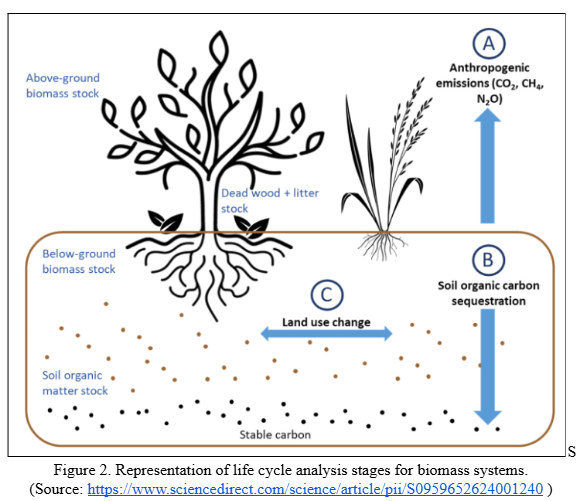
Among the economic and ecological functions, carbon sequestration stands out as a vital contribution to global climate goals. Forests absorb carbon dioxide from the atmosphere to produce oxygen through photosynthesis. Carbon storage occurs both above ground through biomass in plants and below ground in soil and geological formations. The aboveground carbon stock (AGC) is calculated based on the biomass of living woody vegetation, nonwoody components such as litter and herbs, and dead wood (Ahmed & Lemessa, 2024). Above-ground storage includes trees and forests that store carbon in their biomas,s like branches, trunks, and leaves.
In contrast, below-ground carbon storage occurs naturally in soil organic matter and root biomass. Plants contribute to this process by absorbing atmospheric carbon dioxide and transferring it into the soil through their roots. This enhances the soil organic carbon (SOC) content through mechanisms such as rhizodeposition, where roots release organic materials into the surrounding soil (Forfora et al., 2024). Apart from these natural processes, carbon can also be stored artificially through industrial applications such as carbon capture and storage (CCS), where carbon dioxide is captured from emission sources and injected into engineered geological reservoirs for long-term storage (Ndlovu et al., 2024).
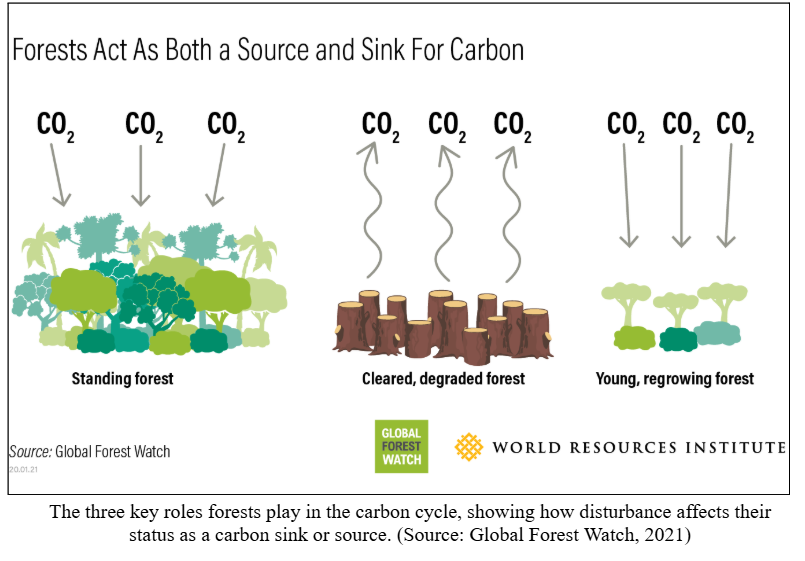
According to the National Aeronautics and Space Administration (NASA, 2021), forests collectively absorbed approximately 15.6 billion metric tons of carbon dioxide each year between 2001 and 2019, while deforestation, fires, and other disturbances released an average of 8.1 billion metric tons of carbon dioxide annually. These findings highlight the crucial role of forests in mitigating climate change by regulating atmospheric carbon levels.
Among the economic and ecological functions, carbon sequestration stands out as a vital contribution to global climate goals. Forests absorb carbon dioxide from the atmosphere to produce oxygen through photosynthesis. Carbon storage occurs both above ground through biomass in plants and below ground in soil and geological formations. The aboveground carbon stock (AGC) is calculated based on the biomass of living woody vegetation, nonwoody components such as litter and herbs, and dead wood (Ahmed & Lemessa, 2024). Above-ground storage includes trees and forests that store carbon in their biomas,s like branches, trunks, and leaves.
In contrast, below-ground carbon storage occurs naturally in soil organic matter and root biomass. Plants contribute to this process by absorbing atmospheric carbon dioxide and transferring it into the soil through their roots. This enhances the soil organic carbon (SOC) content through mechanisms such as rhizodeposition, where roots release organic materials into the surrounding soil (Forfora et al., 2024). Apart from these natural processes, carbon can also be stored artificially through industrial applications such as carbon capture and storage (CCS), where carbon dioxide is captured from emission sources and injected into engineered geological reservoirs for long-term storage (Ndlovu et al., 2024).
According to the National Aeronautics and Space Administration (NASA, 2021), forests collectively absorbed approximately 15.6 billion metric tons of carbon dioxide each year between 2001 and 2019, while deforestation, fires, and other disturbances released an average of 8.1 billion metric tons of carbon dioxide annually. These findings highlight the crucial role of forests in mitigating climate change by regulating atmospheric carbon levels.
Protecting and Enhancing Forest Carbon for the Future
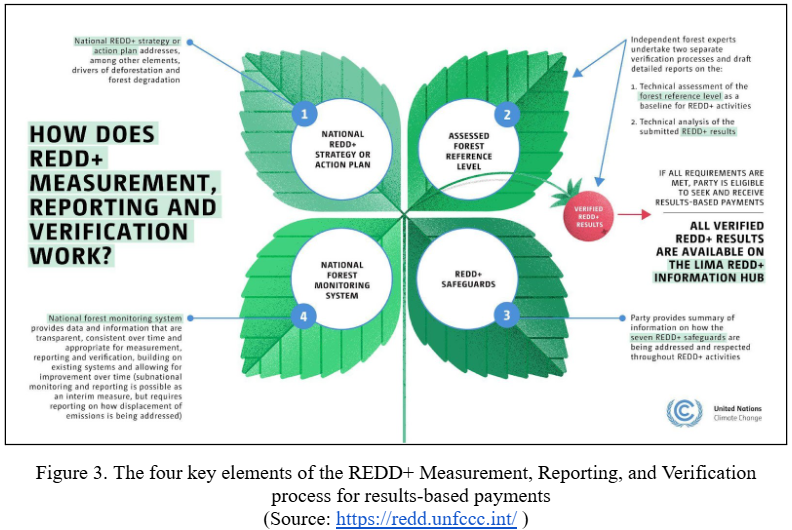
Protecting forest carbon is essential in mitigating climate change. As forests face increasing pressures from deforestation, land-use change, and degradation, greater efforts are required to safeguard and enhance their capacity to store carbon. Therefore, strengthening conservation and restoration initiatives is crucial for sustaining and expanding the carbon sequestration potential of forest ecosystems. The Reducing Emissions from Deforestation and Forest Degradation (REDD+) mechanism, integrated under the Paris Agreement, aims to reduce greenhouse gas emissions by promoting forest conservation and sustainable management. It provides financial incentives to developing countries that implement strategies to protect forests and enhance their carbon storage capacity.
Conclusion
Forest ecosystems function as natural carbon sinks, not only mitigating greenhouse gas emissions but also sustaining biodiversity and ecological balance. However, their capacity to perform these functions depends heavily on effective conservation and sustainable management. Hence, strengthening restoration efforts, reducing deforestation, and supporting global initiatives are crucial steps to preserve forest carbon and ensure long-term climate stability.
References
Ahmed, S., & Lemessa, D. (2024). Patterns and drivers of the above-and below-ground carbon stock in Afromontane forest of southern Ethiopia: implications for climate change mitigation. Tropical Ecology, 65(3), 508-516.
Food and Agriculture Organization of the United Nations. (2024). The State of the World’s Forests 2024 – Forest-sector innovations towards a more sustainable future (ISBN 978-92-5-138867-9). https://www.fao.org/state-of-forests/en/#:~:text=Forests%20cover%2031%20percent%20of,are%20found%20in%20ten%20countries.
Forfora, N., Azuaje, I., Vivas, K. A., Vera, R. E., Brito, A., Venditti, R., ... & Gonzalez, R. (2024). Evaluating biomass sustainability: why below-ground carbon sequestration matters. Journal of Cleaner Production, 439, 140677.
Gibbs, D. A., & Harris, N. (2021, January 21). Quantifying carbon fluxes in forests. Global Forest Watch. https://www.globalforestwatch.org/blog/forest-insights/forests-carbon-emissions-sink-flux/
National Aeronautics and Space Administration. (2021, February 3). NASA satellites help quantify forests’ impacts on global carbon budget. https://www.nasa.gov/science-research/earth-science/nasa-satellites-help-quantify-forests-impacts-on-global-carbon-budget/#:~:text=Through%20photosynthesis%2C%20forests%20absorb%20carbon,from%20the%20entire%20United%20States.
Ndlovu, P., Bulannga, R., & Mguni, L. L. (2024). Progress in carbon dioxide capture, storage and monitoring in geological landform. Frontiers in Energy Research, 12, 1450991.
Protecting forest carbon is essential in mitigating climate change. As forests face increasing pressures from deforestation, land-use change, and degradation, greater efforts are required to safeguard and enhance their capacity to store carbon. Therefore, strengthening conservation and restoration initiatives is crucial for sustaining and expanding the carbon sequestration potential of forest ecosystems. The Reducing Emissions from Deforestation and Forest Degradation (REDD+) mechanism, integrated under the Paris Agreement, aims to reduce greenhouse gas emissions by promoting forest conservation and sustainable management. It provides financial incentives to developing countries that implement strategies to protect forests and enhance their carbon storage capacity.
Conclusion
Forest ecosystems function as natural carbon sinks, not only mitigating greenhouse gas emissions but also sustaining biodiversity and ecological balance. However, their capacity to perform these functions depends heavily on effective conservation and sustainable management. Hence, strengthening restoration efforts, reducing deforestation, and supporting global initiatives are crucial steps to preserve forest carbon and ensure long-term climate stability.
References
Ahmed, S., & Lemessa, D. (2024). Patterns and drivers of the above-and below-ground carbon stock in Afromontane forest of southern Ethiopia: implications for climate change mitigation. Tropical Ecology, 65(3), 508-516.
Food and Agriculture Organization of the United Nations. (2024). The State of the World’s Forests 2024 – Forest-sector innovations towards a more sustainable future (ISBN 978-92-5-138867-9). https://www.fao.org/state-of-forests/en/#:~:text=Forests%20cover%2031%20percent%20of,are%20found%20in%20ten%20countries.
Forfora, N., Azuaje, I., Vivas, K. A., Vera, R. E., Brito, A., Venditti, R., ... & Gonzalez, R. (2024). Evaluating biomass sustainability: why below-ground carbon sequestration matters. Journal of Cleaner Production, 439, 140677.
Gibbs, D. A., & Harris, N. (2021, January 21). Quantifying carbon fluxes in forests. Global Forest Watch. https://www.globalforestwatch.org/blog/forest-insights/forests-carbon-emissions-sink-flux/
National Aeronautics and Space Administration. (2021, February 3). NASA satellites help quantify forests’ impacts on global carbon budget. https://www.nasa.gov/science-research/earth-science/nasa-satellites-help-quantify-forests-impacts-on-global-carbon-budget/#:~:text=Through%20photosynthesis%2C%20forests%20absorb%20carbon,from%20the%20entire%20United%20States.
Ndlovu, P., Bulannga, R., & Mguni, L. L. (2024). Progress in carbon dioxide capture, storage and monitoring in geological landform. Frontiers in Energy Research, 12, 1450991.