

Guardians of the green: Indigenous Wisdom in Fights Climate Change
Introduction
Climate change is threatening the balance of our own planet’s forests, from drying peatlands to more frequent wildfires. Yet, Indigenous communities have long practised ways of living that keep forests thriving. One of the ways their living practices are shaped is through their traditional knowledge, which is rooted in centuries of close observation and respect for nature, holding the key to sustainable forest management and climate resilience. Indigenous knowledge is not written in books, but lived through daily practices, such as observing animal behaviour, knowing the right time to plant or harvest crops, and respecting sacred first areas. For instance, indigenous people in Borneo use rotational farming and plant native trees to restore soil fertility, indirectly reducing carbon loss and protecting biodiversity.
Forest, Climate Change, and Indigenous Management
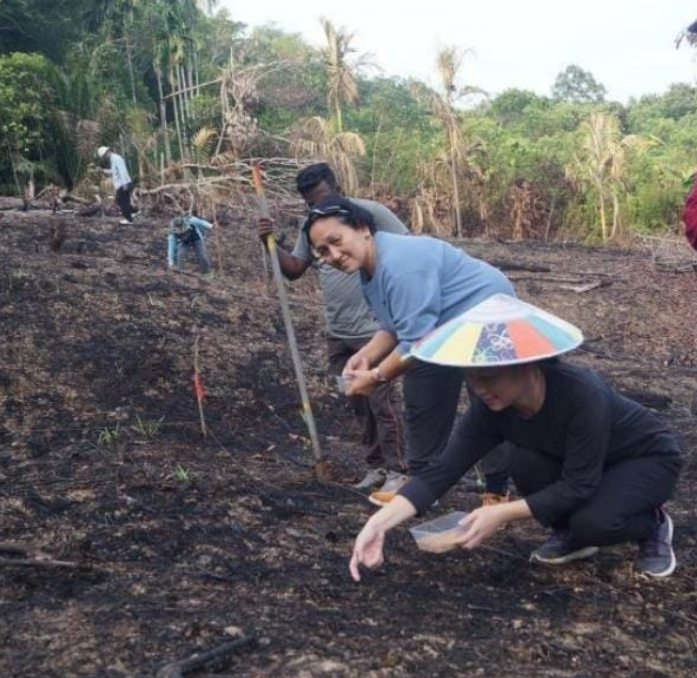
Forests act as the lungs of the earth, absorbing carbon dioxide and providing oxygen. However, modern deforestation and poor land management release massive amounts of greenhouse gases. Indigenous communities help reverse this trend through traditional land-use systems that prioritise balance. In Malaysia, for example, the Raja Musa Forest Reserve rehabilitation program demonstrates how community-based approaches contribute to climate solutions. Local and Indigenous knowledge guide the restoration of peat swamp forests, which are crucial carbon sinks (Wetlands International, 2017). Through practices such as rewetting peatlands, replanting native trees, and monitoring water levels, these communities help prevent fires and carbon loss, thereby strengthening their climate resilience.
Benefits of Integrating Indigenous Knowledge
Integrating Indigenous wisdom with scientific forest management offers both ecological and social benefits. Traditional fire management can minimise large-scale wildfires that release carbon and destroy biodiversity. Indigenous Agricultural methods, such as rotational agriculture and mixed cropping, maintain soil fertility and reduce pressure on deforestation. These sustainable practices align with modern climate mitigation strategies and support long-term carbon storage. Globally, frameworks like the United Nations Declaration on the Rights of Indigenous Peoples (UNDRIP) and the REDD+ program recognise the critical role of Indigenous communities in climate action (United Nations, 2008; UN-REDD, 2021). Including them in national forest policies ensures that conservation efforts are locally appropriate, culturally respectful, and environmentally effective
Climate change is threatening the balance of our own planet’s forests, from drying peatlands to more frequent wildfires. Yet, Indigenous communities have long practised ways of living that keep forests thriving. One of the ways their living practices are shaped is through their traditional knowledge, which is rooted in centuries of close observation and respect for nature, holding the key to sustainable forest management and climate resilience. Indigenous knowledge is not written in books, but lived through daily practices, such as observing animal behaviour, knowing the right time to plant or harvest crops, and respecting sacred first areas. For instance, indigenous people in Borneo use rotational farming and plant native trees to restore soil fertility, indirectly reducing carbon loss and protecting biodiversity.
Forest, Climate Change, and Indigenous Management
Forests act as the lungs of the earth, absorbing carbon dioxide and providing oxygen. However, modern deforestation and poor land management release massive amounts of greenhouse gases. Indigenous communities help reverse this trend through traditional land-use systems that prioritise balance. In Malaysia, for example, the Raja Musa Forest Reserve rehabilitation program demonstrates how community-based approaches contribute to climate solutions. Local and Indigenous knowledge guide the restoration of peat swamp forests, which are crucial carbon sinks (Wetlands International, 2017). Through practices such as rewetting peatlands, replanting native trees, and monitoring water levels, these communities help prevent fires and carbon loss, thereby strengthening their climate resilience.
Benefits of Integrating Indigenous Knowledge
Integrating Indigenous wisdom with scientific forest management offers both ecological and social benefits. Traditional fire management can minimise large-scale wildfires that release carbon and destroy biodiversity. Indigenous Agricultural methods, such as rotational agriculture and mixed cropping, maintain soil fertility and reduce pressure on deforestation. These sustainable practices align with modern climate mitigation strategies and support long-term carbon storage. Globally, frameworks like the United Nations Declaration on the Rights of Indigenous Peoples (UNDRIP) and the REDD+ program recognise the critical role of Indigenous communities in climate action (United Nations, 2008; UN-REDD, 2021). Including them in national forest policies ensures that conservation efforts are locally appropriate, culturally respectful, and environmentally effective
UN-REDD (2021)
Challenges and the way forward
Despite their contributions, Indigenous communities often face barriers that limit their involvement in forest management. Modernisation, land conversion, and lack of legal recognition threaten both their knowledge systems and their livelihoods. Many Indigenous lands are still unrecognised by governments, leaving these communities vulnerable to displacement and loss of traditional practices. To move forward, governments and conservation organisations must promote participatory forest management that respects Indigenous rights. This includes granting land tenure, documenting traditional ecological knowledge, and encouraging collaboration between Indigenous leaders and scientists. Education programs that connect traditional and modern forest knowledge can also help younger generations continue this legacy.
Conclusion
As the world faces increasing climate challenges, the wisdom of Indigenous peoples offers a path toward sustainable and resilient forest ecosystems. Their time-tested knowledge, combined with scientific innovation, can guide effective climate action. Recognising and empowering Indigenous communities is not only a moral responsibility but also a practical strategy for protecting forests, reducing carbon emissions, and preserving biodiversity. The future of forest and climate sustainability depends on listening to those who have always been its guardians.
References
Ismail, R., Khoo, E., & Kamlun, K. (2020). Traditional ecological knowledge and sustainable forest management among Indigenous communities in Borneo. Journal of Tropical Forest Science, 32(4), 357–366.
United Nations. (2008). United Nations Declaration on the Rights of Indigenous Peoples (UNDRIP). United Nations. https://www.un.org/development/desa/indigenouspeoples/declaration-on-the-rights-of-indigenous-peoples.html
UN-REDD. (2021). The role of Indigenous peoples in climate change mitigation. UN-REDD Programme. https://www.un-redd.org
Wetlands International. (2017). Community-based peatland rehabilitation in Raja Musa Forest Reserve, Malaysia. Wetlands International. https://www.wetlands.org
Despite their contributions, Indigenous communities often face barriers that limit their involvement in forest management. Modernisation, land conversion, and lack of legal recognition threaten both their knowledge systems and their livelihoods. Many Indigenous lands are still unrecognised by governments, leaving these communities vulnerable to displacement and loss of traditional practices. To move forward, governments and conservation organisations must promote participatory forest management that respects Indigenous rights. This includes granting land tenure, documenting traditional ecological knowledge, and encouraging collaboration between Indigenous leaders and scientists. Education programs that connect traditional and modern forest knowledge can also help younger generations continue this legacy.
Conclusion
As the world faces increasing climate challenges, the wisdom of Indigenous peoples offers a path toward sustainable and resilient forest ecosystems. Their time-tested knowledge, combined with scientific innovation, can guide effective climate action. Recognising and empowering Indigenous communities is not only a moral responsibility but also a practical strategy for protecting forests, reducing carbon emissions, and preserving biodiversity. The future of forest and climate sustainability depends on listening to those who have always been its guardians.
References
Ismail, R., Khoo, E., & Kamlun, K. (2020). Traditional ecological knowledge and sustainable forest management among Indigenous communities in Borneo. Journal of Tropical Forest Science, 32(4), 357–366.
United Nations. (2008). United Nations Declaration on the Rights of Indigenous Peoples (UNDRIP). United Nations. https://www.un.org/development/desa/indigenouspeoples/declaration-on-the-rights-of-indigenous-peoples.html
UN-REDD. (2021). The role of Indigenous peoples in climate change mitigation. UN-REDD Programme. https://www.un-redd.org
Wetlands International. (2017). Community-based peatland rehabilitation in Raja Musa Forest Reserve, Malaysia. Wetlands International. https://www.wetlands.org
