

Impact of Deforestation on Global Climate Patterns
Introduction
Deforestation refers to the large-scale harvesting of trees for agricultural, industrial, and urban development purposes. Forests play a crucial role in maintaining the global climate through carbon storage, regulating rainfall, and protecting biodiversity. However, when trees are harvested, the natural function of the forest is disrupted, resulting in a significant impact on global climate patterns. Nowadays, deforestation is a primary cause of climate change, as it releases greenhouse gas emissions, disrupts rainfall patterns, and contributes to increased global temperatures. Deforestation's effects on the climate are essential to conserve the forest's health.
Deforestation and Greenhouse Gas Emissions
One of the leading causes of deforestation related to climate change is the increasing release of carbon dioxide (CO₂). Trees function as natural carbon absorbers that keep gases through the photosynthesis process. When forests are harvested and burnt, the carbon that is stored is released to the atmosphere, increasing greenhouse gas emissions. More than 50 countries have developed national REDD+ strategies, which have key conditions for addressing deforestation and forest degradation (Angelsen et al. 2018a).
Effects on the Global Water Cycle
Rains also play an essential role in the water cycle. Releasing water vapour to the atmosphere through the transpiration process helps form clouds and rain. Natural moisture sources are reduced when a forest is harvested, causing drier air and decreased rainfall. Tree harvesting is related to drought and rainfall disturbances that occur in tropical areas, such as the Amazon and Southeast Asia. The agricultural sector was also affected, and water sources for local communities were impacted due to the prolonged drought. Water disturbances not only alter global climate systems but also influence local weather patterns.
Loss of Biodiversity and Ecological Balance
More than 80% of the world’s terrestrial species live in the forest. Deforestation causes habitat loss, species extinction and ecological imbalance. Ecosystems become less resilient to environmental changes, such as floods, soil erosion, or disease outbreaks, when biodiversity decreases. Deforestation contributes significantly to carbon emissions, exacerbating climate change. The loss of forests also diminishes ecosystem services such as water regulation, soil erosion prevention, and the provision of food and medicines, impacting global sustainability (Cook, 2020).
Changes in Global and Regional Weather Patterns
Deforestation can alter weather patterns both regionally and globally. A study reveals that deforestation in the Amazon has decreased rainfall in South America and also impacted weather conditions in North America. Uncertain rainfall patterns will increase the risk of droughts due to logging activities and the conversion of agricultural land, which have affected many African countries. The loss of forest cover in Africa also contributes to soil erosion, reduced water quality, and increased vulnerability to extreme weather events (MEA, 2005).
Solutions and Mitigation Strategies
There are several strategies to mitigate the impact of deforestation on the climate. Sustainable forest management practices such as controlled logging and agroforestry can support the local community economy. Silviculture and management should not compromise biodiversity. Soil erosion should be controlled, soil fertility should not be compromised, and water quality on and off-site should be maintained. Forest health and vitality should be safeguarded (Chakravarty, 2011). International programmes such as REDD+ (Reducing Emissions from Deforestation and Forest Degradation) encourage countries to develop forest protection policies with global financial support.
Conclusions
Deforestationn has a significant impact on global climate patterns. It releases greenhouse gas, destroying biodiversity, and causing extreme weather changes. Forests play a crucial role in maintaining the global climate's stability, and their protection should be our top priority. Practising sustainable forest management can mitigate the effects of climate change and preserve nature for future generations.
References
Chakravarty, S., Ghosh, S. K., Suresh, C. P., Dey, A. N., & Gopal Shukla. (2011). Deforestation: Causes, effects, and control strategies. In Global Perspectives on Sustainable Forest Management. https://cdn.intechopen.com/pdfs/36125/InTechDeforestation_causes_effects_and_control_strategies.pdf
Dedans, P. (2024). Effects of deforestation on regional climate patterns in the Amazon basin. ajpojournals.org. https://doi.org/10.47672/ajcs.2338
Franco, M. A., Rizzo, L. V., Teixeira, M. J., Artaxo, P., Azevedo, T., Lelieveld, J., Nobre, C. A., Pöhlker, C., Pöschl, U., Shimbo, J., Xu, X., & Machado, L. a. T. (2025). How climate change and deforestation interact in the transformation of the Amazon rainforest. Nature Communications, 16(1). https://doi.org/10.1038/s41467-025-63156-0
Motuma. (n.d.). Dr.+Stephen+Cook. Scribd. https://www.scribd.com/document/850846532/Dr-Stephen-Cook
Njita, V. (2025). Deforestation and its impacts on climate change, a case study of the East Region of Cameroon [Degree Thesis, Novia University Of Applied Sciences (UAS)]. In Novia University Of Applied Sciences (UAS), Sustainable Coastal Management. https://www.theseus.fi/bitstream/handle/10024/895659/Njita_Vigirlus.pdf?sequence=2 (Original work published 2025)
Deforestation refers to the large-scale harvesting of trees for agricultural, industrial, and urban development purposes. Forests play a crucial role in maintaining the global climate through carbon storage, regulating rainfall, and protecting biodiversity. However, when trees are harvested, the natural function of the forest is disrupted, resulting in a significant impact on global climate patterns. Nowadays, deforestation is a primary cause of climate change, as it releases greenhouse gas emissions, disrupts rainfall patterns, and contributes to increased global temperatures. Deforestation's effects on the climate are essential to conserve the forest's health.
Deforestation and Greenhouse Gas Emissions
One of the leading causes of deforestation related to climate change is the increasing release of carbon dioxide (CO₂). Trees function as natural carbon absorbers that keep gases through the photosynthesis process. When forests are harvested and burnt, the carbon that is stored is released to the atmosphere, increasing greenhouse gas emissions. More than 50 countries have developed national REDD+ strategies, which have key conditions for addressing deforestation and forest degradation (Angelsen et al. 2018a).
Effects on the Global Water Cycle
Rains also play an essential role in the water cycle. Releasing water vapour to the atmosphere through the transpiration process helps form clouds and rain. Natural moisture sources are reduced when a forest is harvested, causing drier air and decreased rainfall. Tree harvesting is related to drought and rainfall disturbances that occur in tropical areas, such as the Amazon and Southeast Asia. The agricultural sector was also affected, and water sources for local communities were impacted due to the prolonged drought. Water disturbances not only alter global climate systems but also influence local weather patterns.
Loss of Biodiversity and Ecological Balance
More than 80% of the world’s terrestrial species live in the forest. Deforestation causes habitat loss, species extinction and ecological imbalance. Ecosystems become less resilient to environmental changes, such as floods, soil erosion, or disease outbreaks, when biodiversity decreases. Deforestation contributes significantly to carbon emissions, exacerbating climate change. The loss of forests also diminishes ecosystem services such as water regulation, soil erosion prevention, and the provision of food and medicines, impacting global sustainability (Cook, 2020).
Changes in Global and Regional Weather Patterns
Deforestation can alter weather patterns both regionally and globally. A study reveals that deforestation in the Amazon has decreased rainfall in South America and also impacted weather conditions in North America. Uncertain rainfall patterns will increase the risk of droughts due to logging activities and the conversion of agricultural land, which have affected many African countries. The loss of forest cover in Africa also contributes to soil erosion, reduced water quality, and increased vulnerability to extreme weather events (MEA, 2005).
Solutions and Mitigation Strategies
There are several strategies to mitigate the impact of deforestation on the climate. Sustainable forest management practices such as controlled logging and agroforestry can support the local community economy. Silviculture and management should not compromise biodiversity. Soil erosion should be controlled, soil fertility should not be compromised, and water quality on and off-site should be maintained. Forest health and vitality should be safeguarded (Chakravarty, 2011). International programmes such as REDD+ (Reducing Emissions from Deforestation and Forest Degradation) encourage countries to develop forest protection policies with global financial support.
Conclusions
Deforestationn has a significant impact on global climate patterns. It releases greenhouse gas, destroying biodiversity, and causing extreme weather changes. Forests play a crucial role in maintaining the global climate's stability, and their protection should be our top priority. Practising sustainable forest management can mitigate the effects of climate change and preserve nature for future generations.
References
Chakravarty, S., Ghosh, S. K., Suresh, C. P., Dey, A. N., & Gopal Shukla. (2011). Deforestation: Causes, effects, and control strategies. In Global Perspectives on Sustainable Forest Management. https://cdn.intechopen.com/pdfs/36125/InTechDeforestation_causes_effects_and_control_strategies.pdf
Dedans, P. (2024). Effects of deforestation on regional climate patterns in the Amazon basin. ajpojournals.org. https://doi.org/10.47672/ajcs.2338
Franco, M. A., Rizzo, L. V., Teixeira, M. J., Artaxo, P., Azevedo, T., Lelieveld, J., Nobre, C. A., Pöhlker, C., Pöschl, U., Shimbo, J., Xu, X., & Machado, L. a. T. (2025). How climate change and deforestation interact in the transformation of the Amazon rainforest. Nature Communications, 16(1). https://doi.org/10.1038/s41467-025-63156-0
Motuma. (n.d.). Dr.+Stephen+Cook. Scribd. https://www.scribd.com/document/850846532/Dr-Stephen-Cook
Njita, V. (2025). Deforestation and its impacts on climate change, a case study of the East Region of Cameroon [Degree Thesis, Novia University Of Applied Sciences (UAS)]. In Novia University Of Applied Sciences (UAS), Sustainable Coastal Management. https://www.theseus.fi/bitstream/handle/10024/895659/Njita_Vigirlus.pdf?sequence=2 (Original work published 2025)
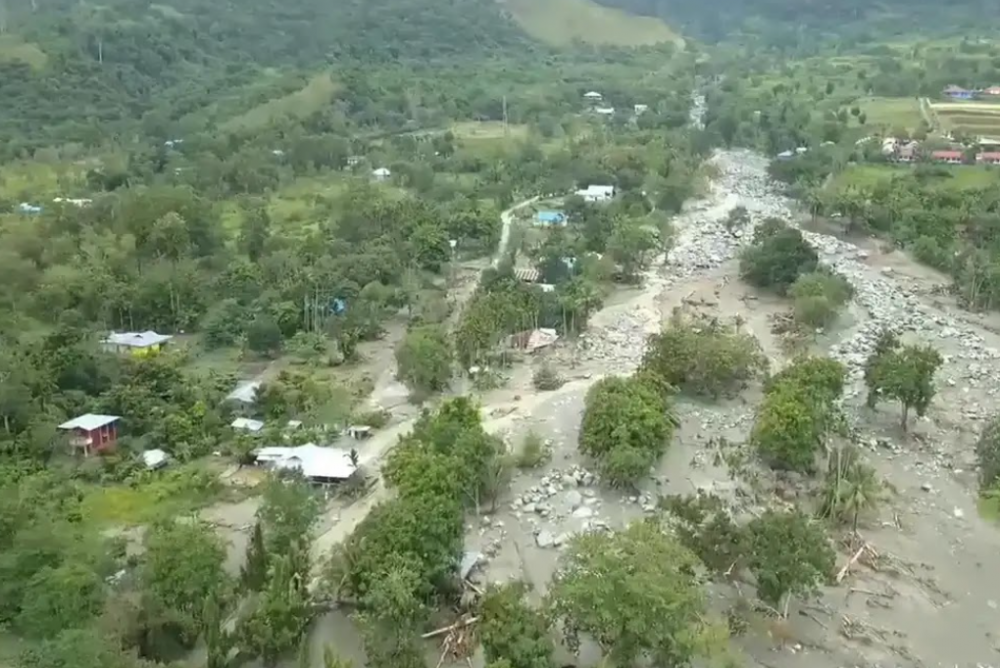
Deforestation cause flash flood
