

Reforestation or Greenwashing: The Truth Behind Tree-Planting Campaigns
Introduction
In recent years, tree-planting initiatives have been widely promoted as an effective response to climate change. Governments, corporations, and civil society groups have undertaken large-scale reforestation projects, often framing them as a primary solution to environmental degradation. However, not all of these initiatives achieve genuine ecological restoration. Some are driven more by public image and profit motives than by scientific or sustainable principles. This paper discusses the promises and pitfalls of reforestation campaigns, examines the issue of “greenwashing” in environmental practices, and highlights the importance of scientifically informed and community-based approaches to effective forest restoration.
Forests play a fundamental role in maintaining global ecological balance. They act as the planet’s lungs by absorbing carbon dioxide, releasing oxygen, moderating temperature, and supporting biodiversity (FAO, 2020). The destruction of forests leads to multiple environmental crises, including increased greenhouse gas emissions, soil erosion, and disrupted water cycles (UNEP, 2021). In response, reforestation has become one of the most popular and widely promoted strategies for mitigating climate change.
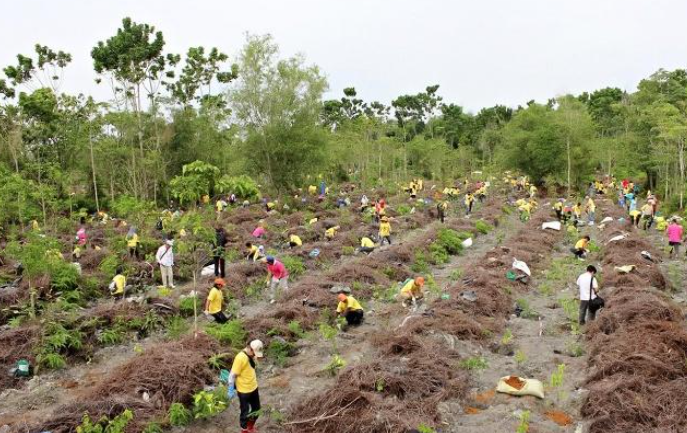
Across the world, including in Malaysia, numerous tree-planting campaigns have been launched under slogans such as “Plant a tree, save the Earth”. The idea behind these efforts appears straightforward: more trees equate to greater carbon sequestration and improved ecological health. However, the effectiveness of such projects depends not only on the number of trees planted but also on their quality, location, species composition, and long-term survival (Chazdon, 2014). Without these considerations, reforestation may fail to achieve its intended environmental benefits.
The Promise and Complexity of Reforestation
Reforestation, defined as the process of replanting trees in areas that were previously forested, offers several potential benefits. Properly managed reforestation efforts can increase biodiversity, enhance carbon storage, and rehabilitate degraded land (Seymour & Busch, 2016). These activities also contribute to local livelihoods by providing forest-based products and ecosystem services (FAO, 2020).
Nevertheless, implementing reforestation projects is complex and context-dependent. Effective restoration requires careful planning, ecological knowledge, and long-term management. Projects that focus merely on planting large numbers of trees without considering ecological suitability or maintenance often fail (Chazdon, 2014). Thus, while reforestation remains a promising tool for climate mitigation, its success depends on scientific rigour and sustainability-oriented practices (UNEP, 2021).
Greenwashing and the Misuse of Reforestation
A growing concern in global environmental governance is the practice of greenwashing, where organisations or companies present themselves as environmentally responsible without making substantial contributions to sustainability. In the context of reforestation, greenwashing occurs when entities promote tree-planting as a symbolic or marketing exercise rather than a genuine restoration effort (Seymour & Busch, 2016).
For instance, some campaigns prioritise the quantity of trees planted over the quality of ecosystems restored. Projects may involve non-native or fast-growing species that alter soil composition, outcompete native flora, and threaten local biodiversity (FAO, 2020). In other cases, trees are planted in unsuitable areas or left unmaintained, resulting in high mortality rates (UNEP, 2021). Such actions create the illusion of progress but fail to address the root causes of deforestation, such as unsustainable land use, agricultural expansion, and illegal logging (Seymour & Busch, 2016).
Greenwashing not only undermines the credibility of environmental campaigns but also diverts public attention and resources away from more effective conservation measures. Therefore, distinguishing between authentic reforestation and superficial public relations efforts is essential for achieving genuine environmental outcomes.
Principles of Effective Reforestation
Successful reforestation requires an integrated and science-based approach. Key principles include:
Use of Native Species: Planting native tree species ensures ecological compatibility, supports local wildlife, and preserves natural biodiversity (Chazdon, 2014).
Community Involvement: Local communities should be involved in the planning, planting, and monitoring processes to ensure long-term stewardship and socioeconomic benefits (UNEP, 2021). Ecosystem Restoration Focus: Reforestation should aim to restore entire ecosystems rather than merely increasing tree density (FAO, 2020).
Long-term Monitoring: Continuous evaluation and maintenance are essential for ensuring the survival and growth of planted trees (Seymour & Busch, 2016). An example of effective reforestation can be observed in Malaysia’s tropical peat swamp forest restoration programs. These ecosystems serve as significant carbon sinks and play a critical role in regulating floods and fires. Restoration efforts in these areas include replanting native species, rewetting drained lands, and engaging indigenous and local communities in forest management (UNEP, 2021). Such initiatives demonstrate that reforestation can achieve both ecological recovery and climate resilience when guided by scientific understanding and social participation.
Beyond Reforestation: The Importance of Forest Protection
While reforestation contributes to climate mitigation, it cannot substitute for the protection of existing natural forests. Mature forests store significantly more carbon and support higher biodiversity than newly planted ones (FAO, 2020). Continuous deforestation and forest degradation undermine the benefits of reforestation efforts, making forest conservation an urgent global priority (Seymour & Busch, 2016).
Individuals and institutions can further contribute to this goal by adopting sustainable consumption patterns, supporting certified forest products, and promoting environmental education (UNEP, 2021). A holistic approach to climate action must integrate reforestation with conservation, sustainable land use, and reduced ecological footprints.
Conclusion
Tree-planting initiatives, when planned and executed correctly, hold tremendous potential to combat climate change, restore degraded ecosystems, and strengthen community resilience. However, when used as a superficial branding exercise, they risk becoming a form of greenwashing that misleads the public and delays real action (Seymour & Busch, 2016). The future of reforestation lies in science-based strategies, transparency, and long-term commitment. Effective forest restoration is not measured by the number of seedlings planted but by the number that survive and thrive over time (Chazdon, 2014). Ultimately, sustainable environmental action requires looking beyond appearance — not just being green, but also practising green.
References
Chazdon, R. L. (2014). Second Growth: The Promise of Tropical Forest Regeneration in an Age of Deforestation. University of Chicago Press.
Food and Agriculture Organisation of the United Nations (FAO). (2020). The State of the World’s Forests 2020: Forests, Biodiversity and People. FAO.
Seymour, F., & Busch, J. (2016). Why Forests? Why Now? The Science, Economics, and Politics of Tropical Forests and Climate Change. Center for Global Development.
United Nations Environment Programme (UNEP). (2021). Ecosystem Restoration for People, Nature and Climate. UNEP.
In recent years, tree-planting initiatives have been widely promoted as an effective response to climate change. Governments, corporations, and civil society groups have undertaken large-scale reforestation projects, often framing them as a primary solution to environmental degradation. However, not all of these initiatives achieve genuine ecological restoration. Some are driven more by public image and profit motives than by scientific or sustainable principles. This paper discusses the promises and pitfalls of reforestation campaigns, examines the issue of “greenwashing” in environmental practices, and highlights the importance of scientifically informed and community-based approaches to effective forest restoration.
Forests play a fundamental role in maintaining global ecological balance. They act as the planet’s lungs by absorbing carbon dioxide, releasing oxygen, moderating temperature, and supporting biodiversity (FAO, 2020). The destruction of forests leads to multiple environmental crises, including increased greenhouse gas emissions, soil erosion, and disrupted water cycles (UNEP, 2021). In response, reforestation has become one of the most popular and widely promoted strategies for mitigating climate change.
Across the world, including in Malaysia, numerous tree-planting campaigns have been launched under slogans such as “Plant a tree, save the Earth”. The idea behind these efforts appears straightforward: more trees equate to greater carbon sequestration and improved ecological health. However, the effectiveness of such projects depends not only on the number of trees planted but also on their quality, location, species composition, and long-term survival (Chazdon, 2014). Without these considerations, reforestation may fail to achieve its intended environmental benefits.
The Promise and Complexity of Reforestation
Reforestation, defined as the process of replanting trees in areas that were previously forested, offers several potential benefits. Properly managed reforestation efforts can increase biodiversity, enhance carbon storage, and rehabilitate degraded land (Seymour & Busch, 2016). These activities also contribute to local livelihoods by providing forest-based products and ecosystem services (FAO, 2020).
Nevertheless, implementing reforestation projects is complex and context-dependent. Effective restoration requires careful planning, ecological knowledge, and long-term management. Projects that focus merely on planting large numbers of trees without considering ecological suitability or maintenance often fail (Chazdon, 2014). Thus, while reforestation remains a promising tool for climate mitigation, its success depends on scientific rigour and sustainability-oriented practices (UNEP, 2021).
Greenwashing and the Misuse of Reforestation
A growing concern in global environmental governance is the practice of greenwashing, where organisations or companies present themselves as environmentally responsible without making substantial contributions to sustainability. In the context of reforestation, greenwashing occurs when entities promote tree-planting as a symbolic or marketing exercise rather than a genuine restoration effort (Seymour & Busch, 2016).
For instance, some campaigns prioritise the quantity of trees planted over the quality of ecosystems restored. Projects may involve non-native or fast-growing species that alter soil composition, outcompete native flora, and threaten local biodiversity (FAO, 2020). In other cases, trees are planted in unsuitable areas or left unmaintained, resulting in high mortality rates (UNEP, 2021). Such actions create the illusion of progress but fail to address the root causes of deforestation, such as unsustainable land use, agricultural expansion, and illegal logging (Seymour & Busch, 2016).
Greenwashing not only undermines the credibility of environmental campaigns but also diverts public attention and resources away from more effective conservation measures. Therefore, distinguishing between authentic reforestation and superficial public relations efforts is essential for achieving genuine environmental outcomes.
Principles of Effective Reforestation
Successful reforestation requires an integrated and science-based approach. Key principles include:
Use of Native Species: Planting native tree species ensures ecological compatibility, supports local wildlife, and preserves natural biodiversity (Chazdon, 2014).
Community Involvement: Local communities should be involved in the planning, planting, and monitoring processes to ensure long-term stewardship and socioeconomic benefits (UNEP, 2021). Ecosystem Restoration Focus: Reforestation should aim to restore entire ecosystems rather than merely increasing tree density (FAO, 2020).
Long-term Monitoring: Continuous evaluation and maintenance are essential for ensuring the survival and growth of planted trees (Seymour & Busch, 2016). An example of effective reforestation can be observed in Malaysia’s tropical peat swamp forest restoration programs. These ecosystems serve as significant carbon sinks and play a critical role in regulating floods and fires. Restoration efforts in these areas include replanting native species, rewetting drained lands, and engaging indigenous and local communities in forest management (UNEP, 2021). Such initiatives demonstrate that reforestation can achieve both ecological recovery and climate resilience when guided by scientific understanding and social participation.
Beyond Reforestation: The Importance of Forest Protection
While reforestation contributes to climate mitigation, it cannot substitute for the protection of existing natural forests. Mature forests store significantly more carbon and support higher biodiversity than newly planted ones (FAO, 2020). Continuous deforestation and forest degradation undermine the benefits of reforestation efforts, making forest conservation an urgent global priority (Seymour & Busch, 2016).
Individuals and institutions can further contribute to this goal by adopting sustainable consumption patterns, supporting certified forest products, and promoting environmental education (UNEP, 2021). A holistic approach to climate action must integrate reforestation with conservation, sustainable land use, and reduced ecological footprints.
Conclusion
Tree-planting initiatives, when planned and executed correctly, hold tremendous potential to combat climate change, restore degraded ecosystems, and strengthen community resilience. However, when used as a superficial branding exercise, they risk becoming a form of greenwashing that misleads the public and delays real action (Seymour & Busch, 2016). The future of reforestation lies in science-based strategies, transparency, and long-term commitment. Effective forest restoration is not measured by the number of seedlings planted but by the number that survive and thrive over time (Chazdon, 2014). Ultimately, sustainable environmental action requires looking beyond appearance — not just being green, but also practising green.
References
Chazdon, R. L. (2014). Second Growth: The Promise of Tropical Forest Regeneration in an Age of Deforestation. University of Chicago Press.
Food and Agriculture Organisation of the United Nations (FAO). (2020). The State of the World’s Forests 2020: Forests, Biodiversity and People. FAO.
Seymour, F., & Busch, J. (2016). Why Forests? Why Now? The Science, Economics, and Politics of Tropical Forests and Climate Change. Center for Global Development.
United Nations Environment Programme (UNEP). (2021). Ecosystem Restoration for People, Nature and Climate. UNEP.
Source:ESO SUPERNOVA

Source: Restoration of North Selangor Peat Swamp Forest (Global Environment Centre)
