

When the Climate Shifts: The Growing Impact on Forests and Our Environment
Introduction
Across the world, the signs of climate change are becoming impossible to ignore. Rising temperatures, prolonged droughts, stronger storms, and unpredictable weather patterns are transforming the environment, and at the centre of this crisis stand our forests. Once resilient and self-sustaining, forests are now struggling to survive in a climate that is changing at an unprecedented rate.
Forests Under Stress
Forests are among the most vital ecosystems on Earth. They regulate the global climate, protect biodiversity, and provide oxygen and clean water (Aju et al., 2015). However, the increasing pace of climate change is disrupting these natural systems.
Higher temperatures and reduced rainfall have led to an increase in forest fires in regions such as Australia, the Amazon, and California (Jones et al., 2022). In tropical areas, such as Southeast Asia, intense heat and erratic weather are drying out once-humid rainforests, making them more vulnerable to fires and diseases.
Meanwhile, changes in rainfall patterns cause flooding in some regions and drought in others, which stresses trees and slows their growth. A weakened forest cannot absorb as much carbon dioxide, reducing its ability to act as a natural “carbon sink.” This creates a vicious cycle in which the decline of forests accelerates the warming of the climate (Rajeev & Hukum, 2020).
Across the world, the signs of climate change are becoming impossible to ignore. Rising temperatures, prolonged droughts, stronger storms, and unpredictable weather patterns are transforming the environment, and at the centre of this crisis stand our forests. Once resilient and self-sustaining, forests are now struggling to survive in a climate that is changing at an unprecedented rate.
Forests Under Stress
Forests are among the most vital ecosystems on Earth. They regulate the global climate, protect biodiversity, and provide oxygen and clean water (Aju et al., 2015). However, the increasing pace of climate change is disrupting these natural systems.
Higher temperatures and reduced rainfall have led to an increase in forest fires in regions such as Australia, the Amazon, and California (Jones et al., 2022). In tropical areas, such as Southeast Asia, intense heat and erratic weather are drying out once-humid rainforests, making them more vulnerable to fires and diseases.
Meanwhile, changes in rainfall patterns cause flooding in some regions and drought in others, which stresses trees and slows their growth. A weakened forest cannot absorb as much carbon dioxide, reducing its ability to act as a natural “carbon sink.” This creates a vicious cycle in which the decline of forests accelerates the warming of the climate (Rajeev & Hukum, 2020).
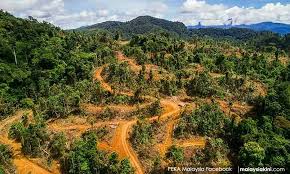
Source: Malaysiakini, 2021
Biodiversity at Risk
Climate change also threatens the delicate balance of forest ecosystems. Shifts in temperature affect the distribution of plant and animal species (Malhi et al., 2020). Some species migrate to cooler areas, while others, especially those adapted to specific habitats, may face extinction.
For example, forests in Malaysia and Indonesia are losing specific bird and insect species that cannot survive rising temperatures at higher altitudes. Similarly, coral reef ecosystems connected to mangrove forests are being damaged by warming seas and increased carbon levels, leading to a loss of both marine and terrestrial biodiversity.
The loss of biodiversity weakens ecosystems, making them less resilient to future environmental changes. Every species plays a role, from pollinating plants to maintaining soil health, and when one disappears, the entire system suffers.
Human Impacts and Environmental Consequences
The effects of climate change on forests extend beyond nature; they have a direct impact on human life. Forest degradation increases the risk of natural disasters, including landslides and floods. In Malaysia, deforestation in hilly regions has made communities more vulnerable to flash floods and soil erosion. Forests also play a vital role in supporting rural livelihoods. Millions of people depend on them for food, medicine, and income. As forest health declines, so does the well-being of these communities (Oldekop et al., 2020). Air quality also worsens as fewer trees are available to absorb pollutants, a growing concern in urban areas already suffering from smog and heatwaves.
Mitigation Measures: Restoring Balance
Despite these challenges, efforts to mitigate the impact of climate change on forests are gaining momentum globally. One of the most effective strategies is reforestation and afforestation, where new trees are planted to replace those lost and green cover is expanded to capture carbon dioxide from the atmosphere. The Bonn Challenge, for instance, aims to restore 350 million hectares of degraded land worldwide by 2030 (De Pinto et al., 2020). In Malaysia, the National Greening Programme (2021–2025) aims to plant 100 million trees nationwide, restoring ecosystems and promoting environmental awareness.
Another key approach is sustainable forest management, which balances conservation with the responsible use of forest resources. This includes reducing illegal logging, promoting eco-friendly industries, and protecting old-growth forests that store vast amounts of carbon.
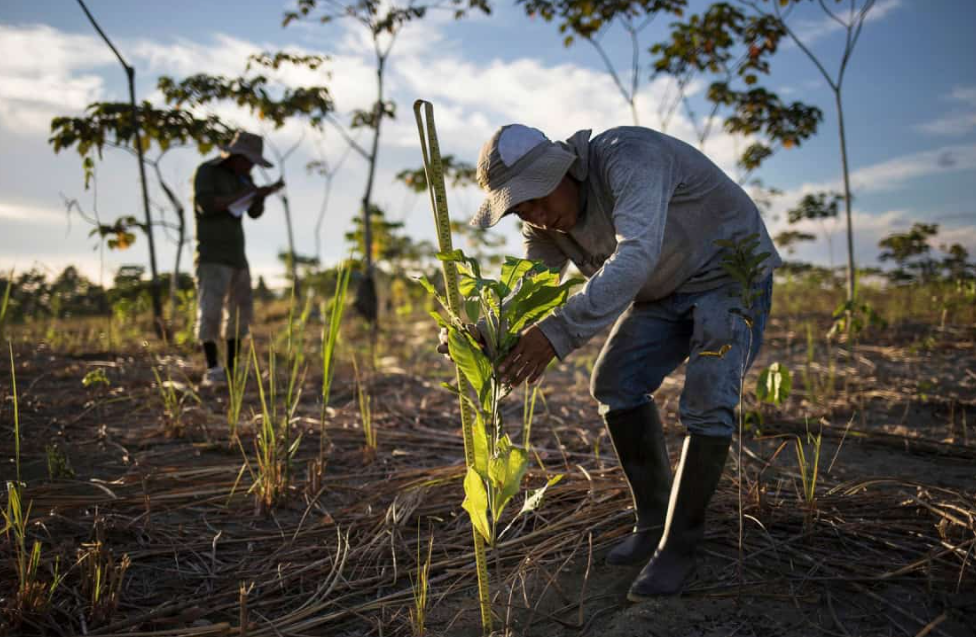
Community-based conservation is also vital. Local and indigenous communities are often the best stewards of forests, as they depend on them for survival (Studer et al., 2023). Projects in Sabah and Sarawak, for example, involve native communities in monitoring forest health, replanting trees, and promoting eco-tourism as an alternative to industries driven by deforestation.
Climate change also threatens the delicate balance of forest ecosystems. Shifts in temperature affect the distribution of plant and animal species (Malhi et al., 2020). Some species migrate to cooler areas, while others, especially those adapted to specific habitats, may face extinction.
For example, forests in Malaysia and Indonesia are losing specific bird and insect species that cannot survive rising temperatures at higher altitudes. Similarly, coral reef ecosystems connected to mangrove forests are being damaged by warming seas and increased carbon levels, leading to a loss of both marine and terrestrial biodiversity.
The loss of biodiversity weakens ecosystems, making them less resilient to future environmental changes. Every species plays a role, from pollinating plants to maintaining soil health, and when one disappears, the entire system suffers.
Human Impacts and Environmental Consequences
The effects of climate change on forests extend beyond nature; they have a direct impact on human life. Forest degradation increases the risk of natural disasters, including landslides and floods. In Malaysia, deforestation in hilly regions has made communities more vulnerable to flash floods and soil erosion. Forests also play a vital role in supporting rural livelihoods. Millions of people depend on them for food, medicine, and income. As forest health declines, so does the well-being of these communities (Oldekop et al., 2020). Air quality also worsens as fewer trees are available to absorb pollutants, a growing concern in urban areas already suffering from smog and heatwaves.
Mitigation Measures: Restoring Balance
Despite these challenges, efforts to mitigate the impact of climate change on forests are gaining momentum globally. One of the most effective strategies is reforestation and afforestation, where new trees are planted to replace those lost and green cover is expanded to capture carbon dioxide from the atmosphere. The Bonn Challenge, for instance, aims to restore 350 million hectares of degraded land worldwide by 2030 (De Pinto et al., 2020). In Malaysia, the National Greening Programme (2021–2025) aims to plant 100 million trees nationwide, restoring ecosystems and promoting environmental awareness.
Another key approach is sustainable forest management, which balances conservation with the responsible use of forest resources. This includes reducing illegal logging, promoting eco-friendly industries, and protecting old-growth forests that store vast amounts of carbon.
Community-based conservation is also vital. Local and indigenous communities are often the best stewards of forests, as they depend on them for survival (Studer et al., 2023). Projects in Sabah and Sarawak, for example, involve native communities in monitoring forest health, replanting trees, and promoting eco-tourism as an alternative to industries driven by deforestation.
Conclusion
Climate change has placed our forests and environment in a state of crisis, but it has also given humanity a chance to act. The path forward requires global unity, responsible policies, and a shared respect for the natural world. By restoring forests, adopting sustainable practices, and reducing our carbon footprint, we can help slow down the changing climate: one tree, one action, and one decision at a time. The future of our planet depends on it.
References
Aju, P. C., Iwuchukwu, J. J., & Ibe, C. C. (2015). Our forests, our environment, our sustainable livelihoods. Eur. J. Acad. Essays, 2(4), 6-19.
De Pinto, A., Cenacchi, N., Robertson, R., Kwon, H., Thomas, T., Koo, J., Begeladze, S., & Kumar, C. (2020). The role of crop production in the Forest Landscape Restoration Approach—Assessing the potential benefits of meeting the Bonn Challenge. Frontiers in Sustainable Food Systems, 4. https://doi.org/10.3389/fsufs.2020.00061
Jones, M. W., Abatzoglou, J. T., Veraverbeke, S., Andela, N., Lasslop, G., Forkel, M., Smith, A. J. P., Burton, C., Betts, R. A., Van Der Werf, G. R., Sitch, S., Canadell, J. G., Santín, C., Kolden, C., Doerr, S. H., & Quéré, C. L. (2022). Global and Regional Trends and Drivers of Fire Under Climate Change. Reviews of Geophysics, 60(3). https://doi.org/10.1029/2020rg000726
Malhi, Y., Franklin, J., Seddon, N., Solan, M., Turner, M. G., Field, C. B., & Knowlton, N. (2020). Climate change and ecosystems: threats, opportunities and solutions. Philosophical Transactions of the Royal Society B Biological Sciences, 375(1794), 20190104. https://doi.org/10.1098/rstb.2019.0104
Oldekop, J. A., Rasmussen, L. V., Agrawal, A., Bebbington, A. J., Meyfroidt, P., Bengston, D. N., Blackman, A., Brooks, S., Davidson-Hunt, I., Davies, P., Dinsi, S. C., Fontana, L. B., Gumucio, T., Kumar, C., Kumar, K., Moran, D., Mwampamba, T. H., Nasi, R., Nilsson, M., . . . Wilson, S. J. (2020). Forest-linked livelihoods in a globalized world. Nature Plants, 6(12), 1400–1407. https://doi.org/10.1038/s41477-020-00814-9
Rajeev, J., & Hukum, S. (2020). Carbon sequestration potential of disturbed and non-disturbed forest ecosystem: A tool for mitigating climate change. African Journal of Environmental Science and Technology, 14(11), 385–393. https://doi.org/10.5897/ajest2020.2920
Studer, A., De Sousa, M. C., Stoudmann, G., De Melo, L. F., Da Silva, A., De Araujo Guimarães, J. R., De Oliveira, C. E. H., Alves, M. J. S., & De Lima Araujo, S. M. (2023). Review of Community-Based Conservation Initiatives for Protecting a Primary Atlantic Forest Remnant: A Case study. Conservation, 3(4), 595–617. https://doi.org/10.3390/conservation3040037
Climate change has placed our forests and environment in a state of crisis, but it has also given humanity a chance to act. The path forward requires global unity, responsible policies, and a shared respect for the natural world. By restoring forests, adopting sustainable practices, and reducing our carbon footprint, we can help slow down the changing climate: one tree, one action, and one decision at a time. The future of our planet depends on it.
References
Aju, P. C., Iwuchukwu, J. J., & Ibe, C. C. (2015). Our forests, our environment, our sustainable livelihoods. Eur. J. Acad. Essays, 2(4), 6-19.
De Pinto, A., Cenacchi, N., Robertson, R., Kwon, H., Thomas, T., Koo, J., Begeladze, S., & Kumar, C. (2020). The role of crop production in the Forest Landscape Restoration Approach—Assessing the potential benefits of meeting the Bonn Challenge. Frontiers in Sustainable Food Systems, 4. https://doi.org/10.3389/fsufs.2020.00061
Jones, M. W., Abatzoglou, J. T., Veraverbeke, S., Andela, N., Lasslop, G., Forkel, M., Smith, A. J. P., Burton, C., Betts, R. A., Van Der Werf, G. R., Sitch, S., Canadell, J. G., Santín, C., Kolden, C., Doerr, S. H., & Quéré, C. L. (2022). Global and Regional Trends and Drivers of Fire Under Climate Change. Reviews of Geophysics, 60(3). https://doi.org/10.1029/2020rg000726
Malhi, Y., Franklin, J., Seddon, N., Solan, M., Turner, M. G., Field, C. B., & Knowlton, N. (2020). Climate change and ecosystems: threats, opportunities and solutions. Philosophical Transactions of the Royal Society B Biological Sciences, 375(1794), 20190104. https://doi.org/10.1098/rstb.2019.0104
Oldekop, J. A., Rasmussen, L. V., Agrawal, A., Bebbington, A. J., Meyfroidt, P., Bengston, D. N., Blackman, A., Brooks, S., Davidson-Hunt, I., Davies, P., Dinsi, S. C., Fontana, L. B., Gumucio, T., Kumar, C., Kumar, K., Moran, D., Mwampamba, T. H., Nasi, R., Nilsson, M., . . . Wilson, S. J. (2020). Forest-linked livelihoods in a globalized world. Nature Plants, 6(12), 1400–1407. https://doi.org/10.1038/s41477-020-00814-9
Rajeev, J., & Hukum, S. (2020). Carbon sequestration potential of disturbed and non-disturbed forest ecosystem: A tool for mitigating climate change. African Journal of Environmental Science and Technology, 14(11), 385–393. https://doi.org/10.5897/ajest2020.2920
Studer, A., De Sousa, M. C., Stoudmann, G., De Melo, L. F., Da Silva, A., De Araujo Guimarães, J. R., De Oliveira, C. E. H., Alves, M. J. S., & De Lima Araujo, S. M. (2023). Review of Community-Based Conservation Initiatives for Protecting a Primary Atlantic Forest Remnant: A Case study. Conservation, 3(4), 595–617. https://doi.org/10.3390/conservation3040037
