

Strengthening Malaysia’s Future Climate Commitments through the AFOLU Sector
Introduction
The Agriculture, Forestry and Other Land Use (AFOLU) sector remains central to Malaysia’s environmental and economic landscape. While it contributes to greenhouse gas emissions through agriculture and land-use change, it also provides one of the most significant opportunities for carbon absorption through forests and sustainable land management. As Malaysia prepares its next Nationally Determined Contribution (NDC) under the Paris Agreement, the AFOLU sector is increasingly recognised as a foundation for deeper and more sustainable climate ambition.
Reflecting on Earlier NDCs
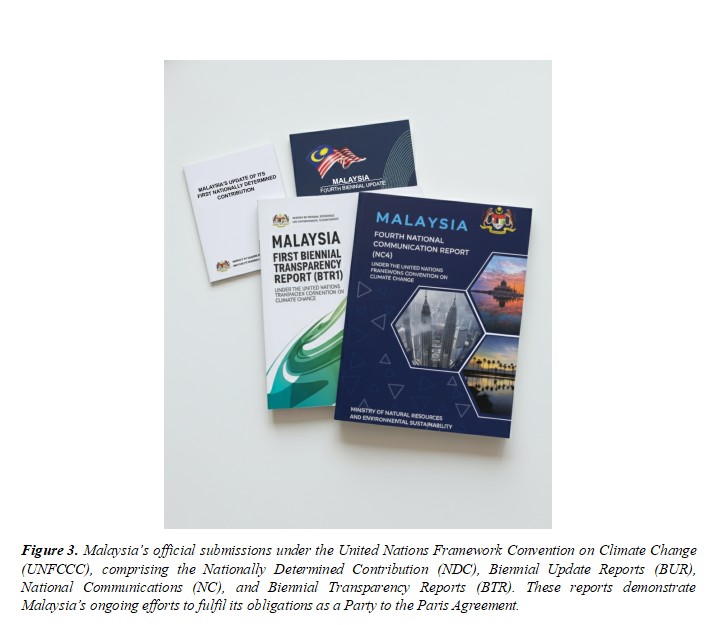
Malaysia’s earlier NDCs measured climate progress based on emission intensity in relation to national economic growth. This method helped balance environmental and development priorities, yet it also made long-term projections more challenging to interpret. Future climate planning could adopt a more outcome-based approach, providing clearer insight into how national emissions may evolve while maintaining flexibility for economic realities.
Equally significant is the improvement of technical consistency and data transparency. Reliable datasets, harmonised definitions, and well-coordinated modelling frameworks would enable policymakers to design mitigation strategies that are both measurable and verifiable, thereby improving confidence in national reporting.
The transition toward outcome-based reporting also requires consistent baseline data and better alignment of national inventory systems. For the AFOLU sector, this means ensuring uniform land-use definitions across agencies, improving satellite-based forest monitoring, and strengthening capacity in carbon accounting. Regional collaboration through ASEAN initiatives and FAO technical assistance can also play a pivotal role in supporting these improvements.
Integrating Agriculture and Forestry Approaches
The AFOLU sector has the potential to deliver a balanced approach that supports both production and ecosystem stability. Future strategies could focus on linking agriculture, forestry, and land-use planning within a single analytical framework. Such integration would help capture the combined mitigation potential of forest conservation, sustainable agriculture, and land restoration.
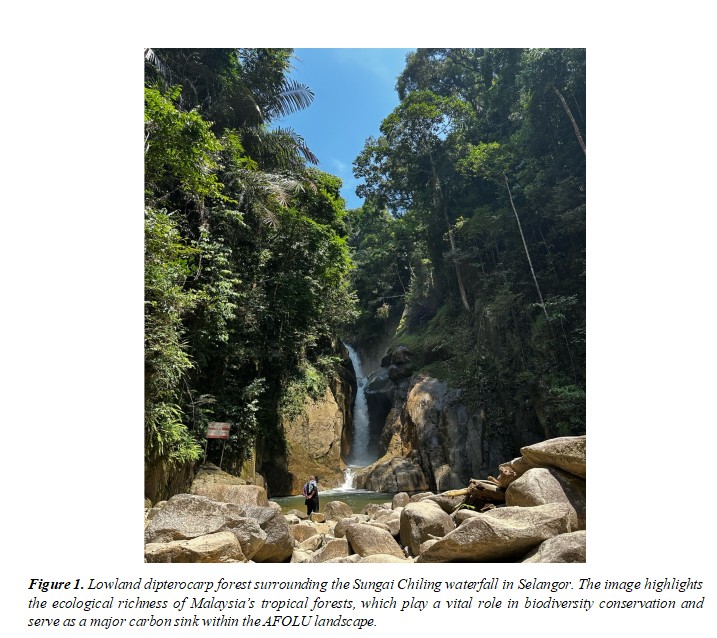
In the forestry component, continuous improvement in forest monitoring systems and management certification can support long-term sustainability. Exploring diverse forest types and management systems, including mixed landscapes and community-based initiatives, could also highlight the social and ecological value of land-based mitigation. Integration between agriculture and forestry data is also essential for tracking land-use transitions that affect both emissions and removals. For instance, the conversion of forests to cropland or the expansion of agroforestry systems simultaneously influences multiple carbon pools. Developing unified geospatial databases and cross-sector monitoring protocols can help quantify these dynamics more accurately within Malaysia’s national greenhouse gas inventory.
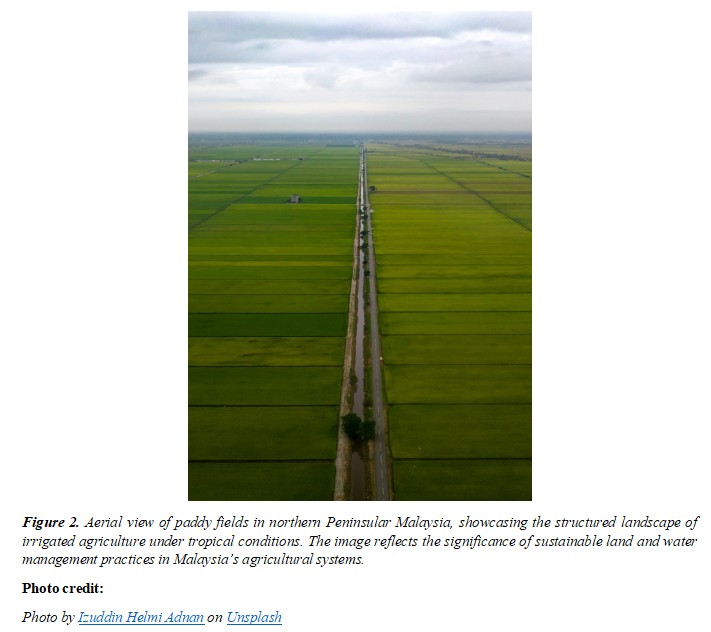
In agriculture, attention could be directed toward promoting adaptive and low-emission practices that reflect local realities and conditions. Efforts to optimise water and nutrient management, protect soil health, and introduce modern technologies can create both mitigation and resilience benefits without prescribing specific technical measures. Such flexibility allows innovation to take place naturally within different regions and farming systems.
Linking Climate Scenarios with Policy Development
To strengthen future national commitments, Malaysia could consider developing policy-linked scenarios that connect emission pathways with current and emerging policy instruments. These scenarios illustrate how choices in land management, resource allocation, and technological adoption impact overall greenhouse gas emissions. The process would also encourage collaboration among agencies and help align environmental objectives with national development strategies.
Scenario development should also be participatory, involving federal and state agencies, industry stakeholders, and local communities. This inclusive process helps ensure that proposed mitigation pathways align with broader socioeconomic priorities such as rural employment, food security, and biodiversity protection. By capturing these co-benefits, scenario modelling can better inform practical and equitable policy design.
Improving Transparency and Research Collaboration
Effective implementation of future commitments depends on transparent and well-coordinated data governance. Strengthening the national system for monitoring, reporting, and verification can improve both accuracy and accountability. Continued collaboration between government institutions, universities, and research agencies such as the Forest Research Institute Malaysia (FRIM) can refine national emission factors and enhance the reliability of forest and agricultural data. Over time, such efforts can evolve into an integrated national platform for tracking land-based carbon performance.
Collaborative research among national scientific and technical institutions has contributed to refining emission factors, improving carbon-stock assessments, and verifying field data from forest and plantation ecosystems. These efforts strengthen Malaysia’s monitoring, reporting, and verification (MRV) system, ensuring that policy decisions are supported by robust, evidence-based science. Over time, such partnerships also foster knowledge transfer and the development of technical expertise within the national research community.
Moving Toward Ambition and Inclusivity
Looking ahead, Malaysia’s next phase of climate action can benefit from stronger public participation and co-benefits that extend beyond emission reduction. Embedding biodiversity conservation, food security, and sustainable livelihoods within mitigation planning can ensure that climate actions are practical and widely supported. Involving local communities, state governments, and private partners can further strengthen ownership and ensure that mitigation outcomes are both practical and equitable.
The AFOLU sector remains one of Malaysia’s most powerful tools for balancing environmental stewardship and national development. By focusing on integration, data transparency, and inclusive engagement, the successive NDC can become a unifying framework for sustainable land management and long-term resilience.
Conclusion
As global ambition rises under the Paris Agreement’s Global Stocktake, Malaysia’s AFOLU experience offers valuable lessons for other tropical countries seeking to balance development with carbon stewardship. Continued investment in science-based decision-making, data integration, and inclusive governance will be vital to ensure that Malaysia not only meets its commitments but also leads by example in the region.
The Agriculture, Forestry and Other Land Use (AFOLU) sector remains central to Malaysia’s environmental and economic landscape. While it contributes to greenhouse gas emissions through agriculture and land-use change, it also provides one of the most significant opportunities for carbon absorption through forests and sustainable land management. As Malaysia prepares its next Nationally Determined Contribution (NDC) under the Paris Agreement, the AFOLU sector is increasingly recognised as a foundation for deeper and more sustainable climate ambition.
Reflecting on Earlier NDCs
Malaysia’s earlier NDCs measured climate progress based on emission intensity in relation to national economic growth. This method helped balance environmental and development priorities, yet it also made long-term projections more challenging to interpret. Future climate planning could adopt a more outcome-based approach, providing clearer insight into how national emissions may evolve while maintaining flexibility for economic realities.
Equally significant is the improvement of technical consistency and data transparency. Reliable datasets, harmonised definitions, and well-coordinated modelling frameworks would enable policymakers to design mitigation strategies that are both measurable and verifiable, thereby improving confidence in national reporting.
The transition toward outcome-based reporting also requires consistent baseline data and better alignment of national inventory systems. For the AFOLU sector, this means ensuring uniform land-use definitions across agencies, improving satellite-based forest monitoring, and strengthening capacity in carbon accounting. Regional collaboration through ASEAN initiatives and FAO technical assistance can also play a pivotal role in supporting these improvements.
Integrating Agriculture and Forestry Approaches
The AFOLU sector has the potential to deliver a balanced approach that supports both production and ecosystem stability. Future strategies could focus on linking agriculture, forestry, and land-use planning within a single analytical framework. Such integration would help capture the combined mitigation potential of forest conservation, sustainable agriculture, and land restoration.
In the forestry component, continuous improvement in forest monitoring systems and management certification can support long-term sustainability. Exploring diverse forest types and management systems, including mixed landscapes and community-based initiatives, could also highlight the social and ecological value of land-based mitigation. Integration between agriculture and forestry data is also essential for tracking land-use transitions that affect both emissions and removals. For instance, the conversion of forests to cropland or the expansion of agroforestry systems simultaneously influences multiple carbon pools. Developing unified geospatial databases and cross-sector monitoring protocols can help quantify these dynamics more accurately within Malaysia’s national greenhouse gas inventory.
In agriculture, attention could be directed toward promoting adaptive and low-emission practices that reflect local realities and conditions. Efforts to optimise water and nutrient management, protect soil health, and introduce modern technologies can create both mitigation and resilience benefits without prescribing specific technical measures. Such flexibility allows innovation to take place naturally within different regions and farming systems.
Linking Climate Scenarios with Policy Development
To strengthen future national commitments, Malaysia could consider developing policy-linked scenarios that connect emission pathways with current and emerging policy instruments. These scenarios illustrate how choices in land management, resource allocation, and technological adoption impact overall greenhouse gas emissions. The process would also encourage collaboration among agencies and help align environmental objectives with national development strategies.
Scenario development should also be participatory, involving federal and state agencies, industry stakeholders, and local communities. This inclusive process helps ensure that proposed mitigation pathways align with broader socioeconomic priorities such as rural employment, food security, and biodiversity protection. By capturing these co-benefits, scenario modelling can better inform practical and equitable policy design.
Improving Transparency and Research Collaboration
Effective implementation of future commitments depends on transparent and well-coordinated data governance. Strengthening the national system for monitoring, reporting, and verification can improve both accuracy and accountability. Continued collaboration between government institutions, universities, and research agencies such as the Forest Research Institute Malaysia (FRIM) can refine national emission factors and enhance the reliability of forest and agricultural data. Over time, such efforts can evolve into an integrated national platform for tracking land-based carbon performance.
Collaborative research among national scientific and technical institutions has contributed to refining emission factors, improving carbon-stock assessments, and verifying field data from forest and plantation ecosystems. These efforts strengthen Malaysia’s monitoring, reporting, and verification (MRV) system, ensuring that policy decisions are supported by robust, evidence-based science. Over time, such partnerships also foster knowledge transfer and the development of technical expertise within the national research community.
Moving Toward Ambition and Inclusivity
Looking ahead, Malaysia’s next phase of climate action can benefit from stronger public participation and co-benefits that extend beyond emission reduction. Embedding biodiversity conservation, food security, and sustainable livelihoods within mitigation planning can ensure that climate actions are practical and widely supported. Involving local communities, state governments, and private partners can further strengthen ownership and ensure that mitigation outcomes are both practical and equitable.
The AFOLU sector remains one of Malaysia’s most powerful tools for balancing environmental stewardship and national development. By focusing on integration, data transparency, and inclusive engagement, the successive NDC can become a unifying framework for sustainable land management and long-term resilience.
Conclusion
As global ambition rises under the Paris Agreement’s Global Stocktake, Malaysia’s AFOLU experience offers valuable lessons for other tropical countries seeking to balance development with carbon stewardship. Continued investment in science-based decision-making, data integration, and inclusive governance will be vital to ensure that Malaysia not only meets its commitments but also leads by example in the region.
***
This article reflects the personal academic perspective of the author and does not represent the official position of any government or institutional body.
