

Application of Oil Palm Frond Biomass (OPFB) in the Removal of Ammonium Ions from Wastewater
INTRODUCTION
Malaysia is the second-largest producer of palm oil globally, accounting for nearly one-third of the world’s palm oil production and contributing 2.7% to the country’s total gross domestic product (GDP) (Ahmad et al., 2023). Indonesia ranks as the leading producer, followed by Malaysia and Thailand (Figure 1).

Figure 1: Top Palm Oil Producing Countries (Forbes, 2020)
In the early 1870s, the British introduced the oil palm to what was then known as Malaya (now Malaysia) as an ornamental plant. The first commercial plantation was established in 1917 at the Tennamaran Estate in Selangor, a pivotal moment that laid the foundation for Malaysia’s vast oil palm plantations and the development of its palm oil industry (Balu et al., 2018). Malaysia’s tropical climate provides ideal conditions for cultivating oil palms. Over time, it has become the country's most important agricultural commodity, playing a vital role in accelerating the nation’s economic growth. Malaysia is among the countries that have successfully harnessed the benefits of the oil palm industry. It has also made significant contributions and demonstrated an ongoing commitment to the global development and expansion of this sector. From an early stage, Malaysia has been recognised as one of the most efficient and productive producers of palm oil worldwide.
Oil palm has developed into one of Malaysia’s most important staple crops. The palm oil industry is highly prominent in Malaysia, which is unsurprising given the widespread presence of oil palm plantations across the country. Key institutions such as the Malaysian Palm Oil Board (MPOB), the Malaysian Palm Oil Council (MPOC), the Palm Oil Research Institute of Malaysia (PORIM), the Forest Research Institute of Malaysia (FRIM), along with several regional organisations, have played vital roles in the industry's growth and development. In 2021, Malaysia generated a total revenue of RM108.52 billion from the export of palm oil and palm oil-based products, mainly due to the contributions of these agencies (MPOB, 2022).
These oil palm saplings are descended from the famous four Bogor Palms, originally planted by the Dutch in Indonesia’s Bogor Botanical Garden in 1848. This initial introduction paved the way for the development and expansion of oil palm plantations in Malaysia. Today, the majority of oil palm cultivars grown in Malaysia can be traced back to these four historic Bogor palms (Basiron, 2004).
OIL PALM FROND BIOMASS (OPFB)
As a direct result of the expansion of the oil palm industry in Malaysia, more than 5.74 million hectares of oil palm plantations had been established across the country by 2016 (MPOB, 2016). The rapid growth of palm oil production has also led to a significant increase in the volume of waste generated. Approximately 85.5% of Malaysia’s total agricultural waste originates from the oil palm sector, making it the most significant single contributor to agricultural waste in the country. Most of this waste consists of empty fruit bunches (EFB), shells, kernels, fronds, leaves, and trunks (Sumathi et al., 2008). To promote sustainability, it is crucial to utilise this large volume of waste effectively.
As illustrated in Figure 2, various oil palm residues can be repurposed into value-added products: Oil Palm Trunks (OPT) can be processed into OPT lumber and OPT fibres; Oil Palm Fronds (OPF) into OPF fibres; Empty Fruit Bunches (EFB) into EFB fibres; and Fresh Fruit Bunches (FFB) into FFB fibres. After the palm fruits are harvested, the remaining leaves and branches, collectively known as oil palm frond biomass (OPFB), are typically regarded as waste within the industry and are often either discarded or incinerated.
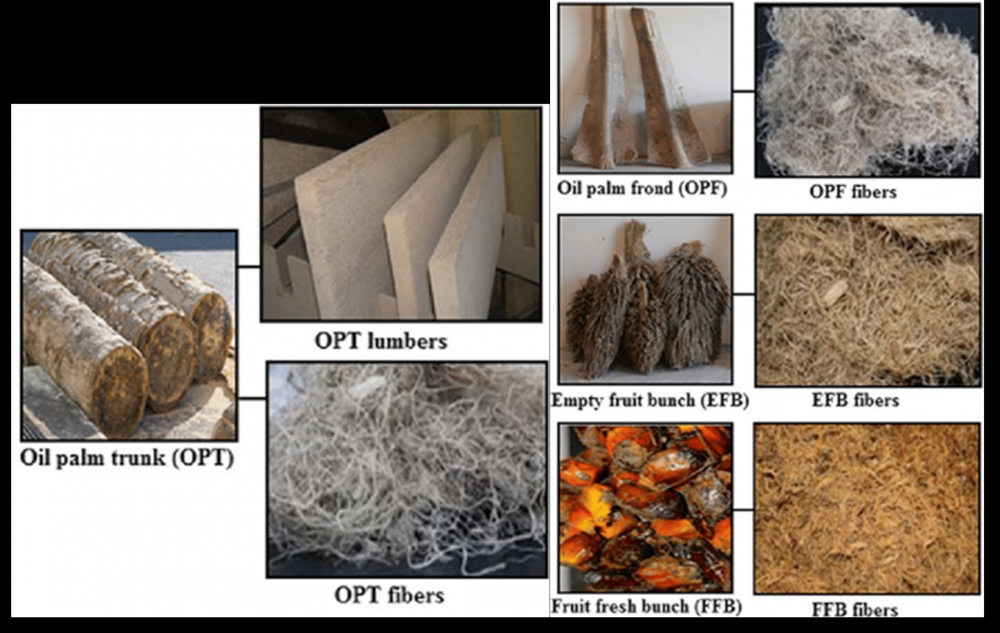
Figure 2: Value-Added Products Derived from Oil Palm Frond Biomass (Rudi et al., 2014)
The palm oil sector has historically been a major exporter of crude palm oil (CPO), and this trend is expected to persist shortly due to the increasing demand of a globalised population. In 2018, a total of 451 palm oil mills in Malaysia collectively produced approximately 19.52 million metric tonnes of CPO (Nurul et al., 2020). This production was accompanied by the generation of around 64 million metric tonnes of palm oil mill effluent (POME). The palm oil production process also generates a substantial amount of biomass waste, underscoring the need for effective waste management strategies.
THE ENVIRONMENTAL IMPACT OF OIL PALM FROND BIOMASS (OPFB)
Non-governmental organisations (NGOs) have consistently criticised the expansion of the palm oil industry in Malaysia and Indonesia, as these two countries supply more than 90% of the global demand for palm oil (Ahmad et al., 2023). The industry has frequently been associated, often based on disputed or inaccurate research, with various environmental issues, including deforestation, species extinction, pollution, climate change, and forest fires caused by land clearing practices during the initial stages of oil palm cultivation, such as the Kalimantan Forest fires of 1997–1998. However, these claims have not been conclusively proven (Abdullah et al., 2013). Notably, 85.5% of Malaysia’s total biomass output consists of waste generated by the palm oil sector. If this vast quantity of biomass waste is not managed appropriately, it can have severe negative impacts on the environment.
It is estimated that palm oil production accounts for up to 50% of deforestation in tropical rainforest regions. One of the most significant environmental consequences of this activity is the loss of biodiversity. The use of fertilisers and pesticides in oil palm cultivation further exacerbates the issue, as these chemicals can run off into nearby waterways and negatively affect downstream ecosystems. Among the most widely recognised environmental concerns is the impact of oil palm expansion on orangutan populations. During land-clearing operations, orangutans frequently lose their natural habitats, and in some cases, are killed by farmers who perceive them as agricultural pests. Some reports suggest that palm oil extraction may lead to the death of up to 25 orangutans per day. However, it is important to note that local hunting practices, particularly for food, account for more than half of all Orang Utan mortalities (Abram et al., 2015).
SOURCES OF AMMONIUM POLLUTION
Ammonium ions (NH₄⁺) are formed when ammonia (NH₃) dissolves in water. These essential water resources can be contaminated by various point sources, including livestock feedlots, construction sites, waste disposal facilities, and municipal and industrial effluents. In addition to these, non-point sources such as surrounding land development, atmospheric deposition, and agricultural runoff also contribute significantly to ammonium pollution. The majority of NH₃ emissions originate from agricultural activities, particularly animal husbandry and the application of ammonia-based fertilisers. Other sources include industrial processes, vehicle emissions, and the natural volatilisation of ammonia from soils and oceans (Behera et al., 2013).
In addition to being an air pollutant, ammonia also serves as a precursor to secondary particulate matter. When ammonia reacts with environmental compounds such as nitric and sulphuric acids, it forms hazardous ammonium salts fine particulate matter that poses significant health risks due to its microscopic size. These particles can penetrate deep into the respiratory system, contributing to air quality deterioration and adverse health effects. Ammonia is also naturally produced through bacterial activity in soil and plays a fundamental role in the nitrogen cycle. It is released as a byproduct of the natural decomposition of organic matter, including plant and animal residues as well as animal waste.
THE EFFECT OF AMMONIUM ON THE ENVIRONMENT
Ammonium pollution has a significant impact on species composition and ecosystem health. Ammonia has direct toxic effects on aquatic life. Elevated nutrient levels in contaminated waters often stimulate the growth of invasive algal species, which can lead to the formation of hypoxic or anoxic zones. These conditions disrupt the structure and functioning of aquatic ecosystems and can severely reduce biodiversity. Moreover, due to the potential health risks, ammonium must be removed from grey water before it is suitable for reuse. Deposited ammonium contributes to habitat acidification and nitrogen oversaturation, both of which negatively impact species diversity. Ammonia emissions can travel long distances, and when combined with nitrogen oxides from urban sources, they contribute to the formation of smog. Additionally, ammonia reacts with atmospheric compounds to form delicate particulate matter (PM), which has been linked to numerous health issues, including cardiovascular and respiratory diseases.
THE POTENTIAL OF OIL PALM BIOMASS WASTE FOR THE REMOVAL OF AMMONIUM IONS
Naturally occurring and agricultural waste materials used to produce biosorbents offer several advantages; they are low-cost, recyclable, and readily available (Bhatnagar et al., 2010). Although research on the use of oil palm biomass waste as a biosorbent is still ongoing, further investigation is necessary to develop a definitive understanding of its potential to remove environmental contaminants. Various technological processes are currently being employed to convert oil palm waste into renewable energy sources, value-added products, and bio-based materials. These include the production of feedstock pellets, fertilisers, fillers, bioplastics, and adsorbents (Figure 3). Some studies have attempted to recover valuable compounds from residual oil in palm-pressed fibres, such as carotene, tocopherols, and tocotrienols. Furthermore, notable advancements have been made in enhancing the adsorption capabilities of oil palm waste through the development of activated carbon, biochar, and ash, often in combination with other compatible materials. These efforts aim to improve the selectivity and capacity of oil palm-based adsorbents for more effective environmental remediation.
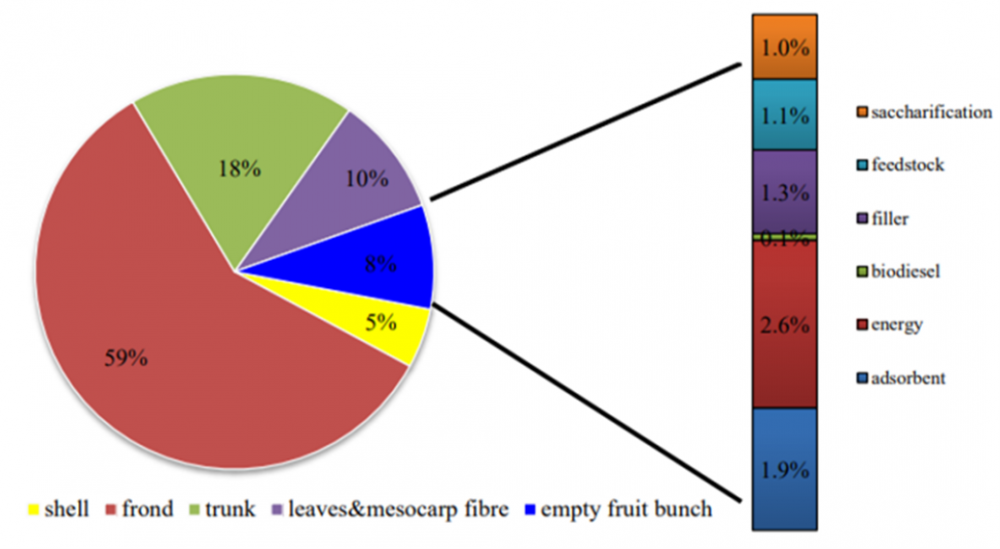
Figure 3: A Sustainable and Environmentally Friendly Future Powered by Green Technology from Malaysian Palm Oil (Ng et al., 2011).
Recent research has demonstrated that nearly every component of oil palm plantation waste can be transformed into value-added products. For instance, oil palm-derived activated carbon has been employed to mitigate air pollutants such as carbon monoxide (CO) and sulphur oxides (SOₓ). The conversion of oil palm biomass into activated carbon enhances adsorption capabilities by increasing surface area and porosity. The morphology of the activated carbon depends on the biomass source and its chemical constituents. Biomass with higher cellulose content tends to produce low-molecular-weight compounds such as anhydro-sugars, aldehydes, hydroxyls, furans, acetic acid, and carbonaceous chars. In contrast, lignin decomposition at elevated temperatures yields larger molecules, including eugenol, styrene, alcohols, and phenolic compounds (Meier et al., 2008).
These chemical transformations influence the selectivity and efficiency of the resulting adsorbent. Surface functional groups, surface area, and pore structure primarily govern the adsorption properties of activated carbon. Among pore types, mesopores are generally considered more suitable for adsorption compared to micropores or macropores (Ahmad et al., 2012). The presence of functional groups is particularly critical in the adsorption of cationic and anionic species. Therefore, specialised treatment of each oil palm biomass component is essential to tailor their adsorption characteristics.
Heat treatment has a significant impact on the textural properties of oil palm-derived adsorbents. Hamza et al. (2016) observed that increasing the pyrolysis temperature of oil palm shells up to 700 °C led to enhanced pore network development. Similarly, Nomanbhay et al. (2013) demonstrated that microwave-assisted extraction combined with alkaline treatment significantly improved the saccharification of oil palm empty fruit bunches (EFB), by enhancing enzyme accessibility and removing lignin and hemicellulose. Sutrisno et al. (2015) further found that increasing the activation temperature of EFB reduced pore size while increasing surface area and carbonyl group density, thus improving the adsorbent’s affinity for phenolic compounds.
The oil palm frond, which accounts for approximately 14% of total oil palm biomass waste, comprises roughly 35% cellulose, 36% hemicellulose, and 29% lignin. In summary, oil palm biomass waste, particularly OPFB, demonstrates strong potential as an effective, sustainable biosorbent for removing ammonium ions from aqueous environments.
CONCLUSION
The acceptable concentration of ammonium ions in wastewater varies depending on the country's or region's regulatory standards for treatment. Generally, ammonium ions are recognised as a form of nitrogen that contributes to eutrophication. This process leads to reduced oxygen levels in aquatic systems, posing serious threats to aquatic life. In the United States, the Environmental Protection Agency (EPA), through the National Pollutant Discharge Elimination System (NPDES), has set a maximum discharge limit of 10 mg/L (10 parts per million) for ammonium ions. The use of oil palm frond biomass as a natural biosorbent for removing ammonium ions from wastewater represents a promising, environmentally friendly, and sustainable treatment approach. However, further research is necessary to evaluate and optimise its adsorption performance under various conditions fully. Expanding the research to include other components of oil palm biomass, such as trunks, fruit residues, and other by products, could broaden the applicability of the method. Moreover, given the presence of functional groups with affinity for various contaminants, oil palm frond biomass also holds potential for adsorbing industrial heavy metals, making it a versatile material for integrated wastewater treatment solutions.
REFERENCES
Abdullah, N., & Sulaiman, F. (2013). The Oil Palm Wastes in Malaysia. In Biomass Now - Sustainable Growth and Use. IntechOpen. https://doi.org/10.5772/55302
Abram, N. K., Meijaard, E., Wells, J. A., Ancrenaz, M., Pellier, A., & Runting, R. K. (2015). Mapping perceptions of species’ threats and population trends to inform conservation efforts: the Bornean orangutan case study. Diversity and Distributions, 21(4), 487–497. https://doi.org/10.1111/ddi.12286
Ahmad, M. J., Ismail, R., & Ghani, F. A. (2023). Review on Sosioeconomic and sustainability of ioi palm plantations among rural communities in Malaysia. IOP Conference Series: Earth and Environmental Science, 1208(1), 012054. https://doi.org/10.1088/1755-1315/1208/1/012054
Ahmad, T., Danish, M., Rafatullah, M., Ghazali, A., Sulaiman, O., Hashim, R., & Ibrahim, M. N. M. (2012). The use of date palm as a potential adsorbent for wastewater treatment: A Review. Environmental Science and Pollution Research, 19(5), 1464–1484.
Balu, N., Azman, I., Norfadilah, H., Nazlin, I., Dayang, N. S., Nik Abdullah, N. I., Noraida, O., Kamalrudin, M. S., Nur Ain M. H., & Kushairi, A. (2018). Malaysia: 100 Years Of Resilient Palm Oil Economic Performance – Review Article. Journal of Oil Palm Research, 30(1), 13–25. https://doi.org/10.21894/jopr.2018.0014
Basiron, Y., & Weng, C. K. (2004). The oil palm and its sustainability. Journal of Oil Palm Research, 16, 1–10.
Behera, S. N., Sharma, M., Aneja, V. P., & Balasubramanian, R. (2013). Ammonia in the atmosphere: A review on emission sources, atmospheric chemistry and deposition on terrestrial bodies. Environmental Science and Pollution Research International, 20(11), 8092–8131. https://doi.org/10.1007/s11356-013-2051-9
Bhatnagar, A., Vilar, V. J. P., Botelho, C. M. S., & Boaventura, R. A. R. (2010). Coconut-based biosorbents for water treatment — A review of the recent literature. Advances in Colloid and Interface Science, 160(1-2), 1–15.
Forbes. (2020, October 20). Business - Which Countries Produce The Most Palm Oil? By Niall McCarthy.
Hamza, U. D., Nasri, N. S., Amin, N. S., Mohammed, J., & Zain, H. M. (2016). Characteristics of oil palm shell biochar and activated carbon prepared at different carbonization times. Desalination and Water Treatment, 15(17), 7999–8006.
Meier, D., Andersons, B., Irbe, I., Chirkova, J., & Faix, O. (2008). Preliminary study on fungicide and sorption effects of fast pyrolysis liquids used as wood preservative. In A. V. Bridgwater (Ed.), Progress in Thermochemical Biomass Conversion (pp. 1550–1563). Blackwell Science.
MPOB. (2016). Overview of the Malaysian oil palm industry. http://bepi.mpob.gov.my/images/overview/Overview_of_Industry_2016.pdf
Nurul, F. M. S., Ainie, K., Mohd, F. J., Muhammad, N. M., & Ravi, N. M. (2020). Code of Good Milling Practice in Enhancing sustainable Palm Oil Production. Journal of Oil Palm Research. https://doi.org/10.21894/jopr.2020.0055
Sumathi, S., Chai, S. P., & Mohamed, A. R. (2008). Utilization of oil palm as a source of renewable energy in Malaysia. Renewable and Sustainable Energy Reviews, 12(9), 2404–2421.
Sutrisno, B., & Hidayat, A. (2015). The effects of activation temperature on physico-chemical characteristics of activated carbons derived from biomass wastes. AIP Conference Proceedings, 1699(1), 060016.
