

Towards a Quieter and Darker Night in Urban Malaysia
INTRODUCTION
Noise and light pollution have become significant environmental concerns in Malaysia, particularly in rapidly urbanizing areas such as Kuala Lumpur, Penang, and Johor Bahru. These forms of pollution, though often less discussed than air and water pollution, have substantial impacts on public health, urban livability, and ecosystem sustainability. As Malaysia continues to experience economic and infrastructural growth, the noise and artificial light pollution levels have increased, affecting not only human well-being but also wildlife and natural habitats. The expansion of urban areas, transportation networks, and tourism-related developments have further worsened the issue, necessitating stricter regulations, technological innovations, and sustainable urban planning strategies.
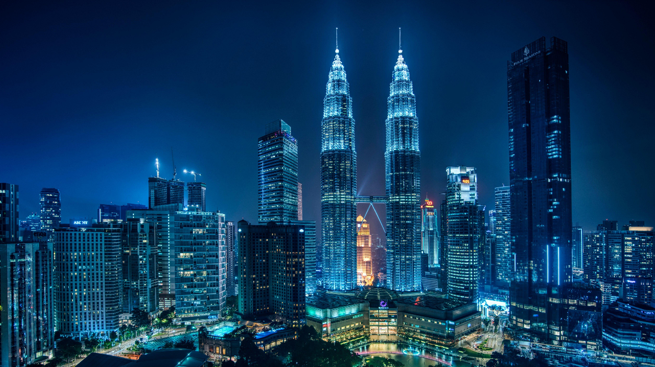
Figure 1 intensely illustrates the overwhelming presence of noise and light pollution in a bustling urban environment. Glaring neon signs, bright billboards, and vehicle headlights wash out the natural darkness, while honking cars and heavy construction activity contribute to the chaotic soundscape, disturbing both residents and nocturnal wildlife.
Noise and light pollution have become significant environmental concerns in Malaysia, particularly in rapidly urbanizing areas such as Kuala Lumpur, Penang, and Johor Bahru. These forms of pollution, though often less discussed than air and water pollution, have substantial impacts on public health, urban livability, and ecosystem sustainability. As Malaysia continues to experience economic and infrastructural growth, the noise and artificial light pollution levels have increased, affecting not only human well-being but also wildlife and natural habitats. The expansion of urban areas, transportation networks, and tourism-related developments have further worsened the issue, necessitating stricter regulations, technological innovations, and sustainable urban planning strategies.
Figure 1 intensely illustrates the overwhelming presence of noise and light pollution in a bustling urban environment. Glaring neon signs, bright billboards, and vehicle headlights wash out the natural darkness, while honking cars and heavy construction activity contribute to the chaotic soundscape, disturbing both residents and nocturnal wildlife.

Figure 1. A vibrant night cityscape with neon-lit skyscrapers and an electrifying atmosphere.
SOURCES AND IMPACTS OF NOISE POLLUTION
Noise pollution in Malaysia primarily originates from human activities, with transportation being the leading contributor. High vehicle density, frequent honking, and motorcycles with modified exhaust systems are primary sources of urban noise, particularly in congested cities such as Georgetown, Kuala Lumpur, and Johor Bahru. The constant movement of buses, cars, motorcycles, and lorries in these cities results in persistent noise pollution, affecting urban residents' quality of life. Additionally, ongoing construction activities contribute significantly to noise levels, as infrastructure projects, roadworks, and high-rise building developments generate continuous mechanical and operational sounds. Urban expansion, particularly in rapidly growing areas, has led to prolonged exposure to construction-related noise, further aggravating the problem.
Besides transportation and construction, industrial operations also contribute significantly to noise pollution. Factories, ports, and shipyards operate heavy machinery that produces high decibel levels, affecting workers and nearby residential areas. For example, in industrial hubs such as Pasir Gudang in Johor and Port Klang in Selangor, residents have reported disturbances due to factory noise, particularly during nighttime operations (Department of Environment Malaysia, 2020). Entertainment hubs, including nightlife districts in areas such as Batu Ferringhi (Penang) and Bukit Bintang (Kuala Lumpur), are also responsible for excessive noise pollution. Loud music from nightclubs, open-air concerts, and street performances contribute to high noise levels, often exceeding permissible limits set by local authorities.
The effects of noise pollution on human health and the environment are profound. Prolonged exposure to excessive noise can lead to various health problems, including stress, anxiety, sleep disturbances, hearing impairment, and cardiovascular diseases. Studies have shown that individuals exposed to high environmental noise experience reduced concentration and productivity, negatively impacting workplace efficiency and academic performance. Additionally, noise pollution affects urban wildlife, particularly birds and small mammals, by altering their natural communication patterns and behavioral responses. Increased noise levels in forested areas near cities can disrupt animal breeding, migration, and predator-prey interactions, ultimately affecting biodiversity.
MITIGATING NOISE POLLUTION
To mitigate noise pollution in Malaysia, several measures need to be implemented. Stricter enforcement of noise regulations, such as the Environmental Quality (Noise Pollution Control) Regulations, is necessary to ensure compliance among industries and commercial establishments. Urban planning should incorporate buffer zones between residential and industrial areas and green spaces that serve as natural sound barriers. Additionally, the construction of noise-reducing infrastructure, such as highway sound barriers and green walls, can help minimize the impact of traffic noise on nearby communities. Public awareness campaigns are also essential in educating the population about responsible noise management, such as reducing unnecessary honking and limiting the use of modified vehicle exhaust systems.
SOURCES AND IMPACTS OF LIGHT POLLUTION
Although less discussed than other forms of environmental pollution, light pollution has become a growing concern in Malaysia due to excessive artificial lighting in urban areas. Over-illumination from streetlights, digital billboards, commercial buildings, and residential areas has led to unnecessary energy consumption and environmental degradation. In particular, commercial districts such as Gurney Drive in Penang, Bukit Bintang in Kuala Lumpur, and Kota Kinabalu’s waterfront area are heavily affected by bright LED displays, large advertising billboards, and decorative lighting. These high levels of artificial light waste energy and contribute to skyglow, reducing the visibility of stars and disrupting natural nighttime environments.
The consequences of light pollution extend beyond human health issues, such as sleep disruption and increased stress levels. Research has shown that excessive exposure to artificial light at night can interfere with the human circadian rhythm, leading to insomnia and other sleep disorders (Blume et al., 2019). This, in turn, can contribute to mental health issues, weakened immune systems, and an increased risk of chronic diseases such as obesity and cardiovascular disorders. Additionally, light pollution has severe ecological impacts, particularly on nocturnal wildlife. Animals that rely on darkness for navigation and survival, such as bats, fireflies, and certain bird species, are highly affected by artificial light.
A particularly concerning impact of light pollution in Malaysia is its effect on marine ecosystems, especially sea turtle populations along the eastern coast. Sea turtles, which rely on natural moonlight to navigate towards the ocean after hatching, often become disoriented by bright artificial lights from coastal developments. This misdirection increases their mortality rate, as hatchlings are more likely to be preyed upon or die from exhaustion before reaching the sea. Similarly, excessive artificial lighting near mangrove forests and wetlands can alter the behavior of fish and other aquatic organisms, disrupting breeding patterns and ecosystem balance.
MITIGATING LIGHT POLLUTION
Addressing light pollution requires a combination of technological improvements, policy changes, and public awareness efforts. Implementing energy-efficient LED streetlights with downward-facing designs can significantly reduce unnecessary light dispersion while maintaining adequate visibility for road safety. Adopting "Dark Sky" policies, particularly in ecologically sensitive areas such as national parks, mangrove forests, and marine turtle nesting sites, can help protect wildlife from the adverse effects of artificial lighting. Additionally, urban planning authorities should enforce regulations that limit the brightness of digital billboards and outdoor advertisements in commercial areas.
Public participation is also essential in reducing light pollution. Encouraging businesses and residential communities to turn off non-essential lights at night can save energy and reduce environmental impact. Educational programs and awareness campaigns can inform the public about the importance of responsible lighting practices, such as using motion-sensor lights and reducing excessive outdoor illumination. Furthermore, promoting eco-friendly tourism initiatives that minimize artificial lighting in natural reserves can enhance Malaysia’s reputation as a sustainable travel destination while preserving its rich biodiversity.
CONCLUSION
Noise and light pollution are pressing environmental issues in Malaysia that require immediate attention to ensure sustainable urban development and ecological balance. While noise pollution from transportation, construction, and entertainment activities negatively impacts human health and wildlife, light pollution from excessive artificial lighting disrupts sleep patterns, wastes energy, and affects nocturnal ecosystems. Mitigation efforts should focus on stricter regulations, improved urban planning, technological advancements, and public awareness initiatives. By adopting sustainable noise and light management strategies, Malaysia can enhance the quality of life for its residents while preserving its natural environment for future generations.
REFERENCES
Baharim, M. S., Md Sadek, E., & Umar, R. (2022). Assessment of light pollution and sustainability using geospatial approaches: A case study in UiTM Shah Alam, Selangor. Journal of Sustainability Science and Management, 17, 158–169.
Blume, C., Garbazza, C., & Spitschan, M. (2019). Effects of light on human circadian rhythms, sleep, and mood. Somnologie (Berlin, Germany), 23(3), 147–156.
Department of Environment Malaysia. (2020). Environmental noise pollution management in Malaysia. Ministry of Environment and Water.
Kokilavani, M. (2025). Environment and biodiversity: Impact of light pollution on nocturnal fauna.
Le, M.-L. T., Garvin, C. M., Barber, J. R., & Francis, C. D. (2019). Natural sounds alter California ground squirrel (Otospermophilus beecheyi) foraging, vigilance, and movement behaviors. Animal Behaviour, 157, 51–60.
Willems, J. S., Phillips, J. N., & Francis, C. D. (2022). Artificial light at night and anthropogenic noise alter the foraging activity and structure of vertebrate communities. Science of The Total Environment, 805, 150223.
World Health Organization. (2018). Environmental noise guidelines for the European region. WHO Regional Office for Europe.
Although less discussed than other forms of environmental pollution, light pollution has become a growing concern in Malaysia due to excessive artificial lighting in urban areas. Over-illumination from streetlights, digital billboards, commercial buildings, and residential areas has led to unnecessary energy consumption and environmental degradation. In particular, commercial districts such as Gurney Drive in Penang, Bukit Bintang in Kuala Lumpur, and Kota Kinabalu’s waterfront area are heavily affected by bright LED displays, large advertising billboards, and decorative lighting. These high levels of artificial light waste energy and contribute to skyglow, reducing the visibility of stars and disrupting natural nighttime environments.
The consequences of light pollution extend beyond human health issues, such as sleep disruption and increased stress levels. Research has shown that excessive exposure to artificial light at night can interfere with the human circadian rhythm, leading to insomnia and other sleep disorders (Blume et al., 2019). This, in turn, can contribute to mental health issues, weakened immune systems, and an increased risk of chronic diseases such as obesity and cardiovascular disorders. Additionally, light pollution has severe ecological impacts, particularly on nocturnal wildlife. Animals that rely on darkness for navigation and survival, such as bats, fireflies, and certain bird species, are highly affected by artificial light.
A particularly concerning impact of light pollution in Malaysia is its effect on marine ecosystems, especially sea turtle populations along the eastern coast. Sea turtles, which rely on natural moonlight to navigate towards the ocean after hatching, often become disoriented by bright artificial lights from coastal developments. This misdirection increases their mortality rate, as hatchlings are more likely to be preyed upon or die from exhaustion before reaching the sea. Similarly, excessive artificial lighting near mangrove forests and wetlands can alter the behavior of fish and other aquatic organisms, disrupting breeding patterns and ecosystem balance.
MITIGATING LIGHT POLLUTION
Addressing light pollution requires a combination of technological improvements, policy changes, and public awareness efforts. Implementing energy-efficient LED streetlights with downward-facing designs can significantly reduce unnecessary light dispersion while maintaining adequate visibility for road safety. Adopting "Dark Sky" policies, particularly in ecologically sensitive areas such as national parks, mangrove forests, and marine turtle nesting sites, can help protect wildlife from the adverse effects of artificial lighting. Additionally, urban planning authorities should enforce regulations that limit the brightness of digital billboards and outdoor advertisements in commercial areas.
Public participation is also essential in reducing light pollution. Encouraging businesses and residential communities to turn off non-essential lights at night can save energy and reduce environmental impact. Educational programs and awareness campaigns can inform the public about the importance of responsible lighting practices, such as using motion-sensor lights and reducing excessive outdoor illumination. Furthermore, promoting eco-friendly tourism initiatives that minimize artificial lighting in natural reserves can enhance Malaysia’s reputation as a sustainable travel destination while preserving its rich biodiversity.
CONCLUSION
Noise and light pollution are pressing environmental issues in Malaysia that require immediate attention to ensure sustainable urban development and ecological balance. While noise pollution from transportation, construction, and entertainment activities negatively impacts human health and wildlife, light pollution from excessive artificial lighting disrupts sleep patterns, wastes energy, and affects nocturnal ecosystems. Mitigation efforts should focus on stricter regulations, improved urban planning, technological advancements, and public awareness initiatives. By adopting sustainable noise and light management strategies, Malaysia can enhance the quality of life for its residents while preserving its natural environment for future generations.
REFERENCES
Baharim, M. S., Md Sadek, E., & Umar, R. (2022). Assessment of light pollution and sustainability using geospatial approaches: A case study in UiTM Shah Alam, Selangor. Journal of Sustainability Science and Management, 17, 158–169.
Blume, C., Garbazza, C., & Spitschan, M. (2019). Effects of light on human circadian rhythms, sleep, and mood. Somnologie (Berlin, Germany), 23(3), 147–156.
Department of Environment Malaysia. (2020). Environmental noise pollution management in Malaysia. Ministry of Environment and Water.
Kokilavani, M. (2025). Environment and biodiversity: Impact of light pollution on nocturnal fauna.
Le, M.-L. T., Garvin, C. M., Barber, J. R., & Francis, C. D. (2019). Natural sounds alter California ground squirrel (Otospermophilus beecheyi) foraging, vigilance, and movement behaviors. Animal Behaviour, 157, 51–60.
Willems, J. S., Phillips, J. N., & Francis, C. D. (2022). Artificial light at night and anthropogenic noise alter the foraging activity and structure of vertebrate communities. Science of The Total Environment, 805, 150223.
World Health Organization. (2018). Environmental noise guidelines for the European region. WHO Regional Office for Europe.
