Challenges of Urban Ecosystem Services in Malaysia
INTRODUCTION
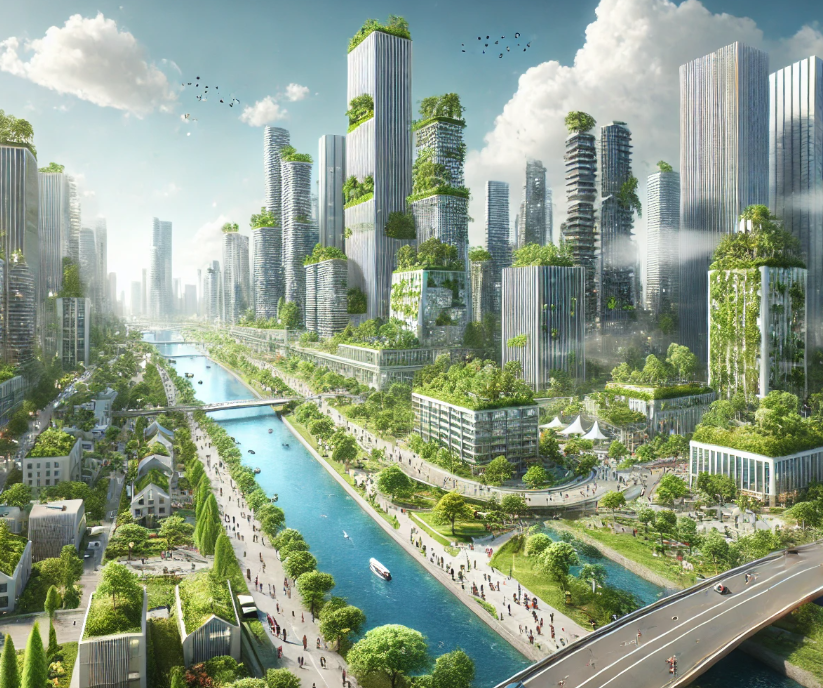
Imagine a city where the air is clean, lush trees shade the streets, and every rainfall is absorbed naturally rather than becoming a flood hazard. Now, ask yourself—why is this still just a vision rather than a reality?
Urban ecosystems provide services we can’t afford to ignore: filtering pollution, regulating temperatures, reducing flood risks, and improving mental well-being. Yet, concrete keeps replacing greenery in many cities, and development priorities push nature to the margins. Despite their importance, Malaysia faces several challenges in implementing and maintaining effective urban ecosystem services. These challenges stem from rapid urbanisation, weak policy enforcement, financial constraints, and public awareness.
1. Rapid Urbanisation and Land-Use Conflicts
Malaysia’s urban population has surged over the years, with more than 77% of Malaysians living in cities as of 2023. Rapid urban expansion often comes at the expense of green spaces, wetlands, and forests, which are crucial for ecosystem services. The competition for land prioritises commercial and residential development over green infrastructure, reducing tree cover, worsening air pollution, and increasing urban heat islands. Additionally, the loss of natural drainage systems has heightened flood risks in major cities like Kuala Lumpur and Penang. Without a well-planned urban growth strategy, ecosystem services remain undervalued and sacrificed for short-term economic gains.
2. Weak Policy Enforcement and Fragmented Governance
Malaysia has policies supporting sustainable urban development, such as the National Physical Plan (NPP) and the Low Carbon Cities Framework (LCCF). However, enforcement remains challenging due to overlapping jurisdictions among federal, state, and local governments, leading to inconsistencies in urban ecosystem management. Weak enforcement of environmental regulations has allowed illegal land clearing and encroachment into green spaces, undermining conservation efforts. For example, despite rules to preserve urban forests, deforestation in Selangor’s Bukit Lagong Forest Reserve for housing projects threatens ecosystem services. Strong inter-agency collaboration and stricter law enforcement are urgently needed to protect Malaysia’s urban green spaces.
Imagine a city where the air is clean, lush trees shade the streets, and every rainfall is absorbed naturally rather than becoming a flood hazard. Now, ask yourself—why is this still just a vision rather than a reality?
Urban ecosystems provide services we can’t afford to ignore: filtering pollution, regulating temperatures, reducing flood risks, and improving mental well-being. Yet, concrete keeps replacing greenery in many cities, and development priorities push nature to the margins. Despite their importance, Malaysia faces several challenges in implementing and maintaining effective urban ecosystem services. These challenges stem from rapid urbanisation, weak policy enforcement, financial constraints, and public awareness.
1. Rapid Urbanisation and Land-Use Conflicts
Malaysia’s urban population has surged over the years, with more than 77% of Malaysians living in cities as of 2023. Rapid urban expansion often comes at the expense of green spaces, wetlands, and forests, which are crucial for ecosystem services. The competition for land prioritises commercial and residential development over green infrastructure, reducing tree cover, worsening air pollution, and increasing urban heat islands. Additionally, the loss of natural drainage systems has heightened flood risks in major cities like Kuala Lumpur and Penang. Without a well-planned urban growth strategy, ecosystem services remain undervalued and sacrificed for short-term economic gains.
2. Weak Policy Enforcement and Fragmented Governance
Malaysia has policies supporting sustainable urban development, such as the National Physical Plan (NPP) and the Low Carbon Cities Framework (LCCF). However, enforcement remains challenging due to overlapping jurisdictions among federal, state, and local governments, leading to inconsistencies in urban ecosystem management. Weak enforcement of environmental regulations has allowed illegal land clearing and encroachment into green spaces, undermining conservation efforts. For example, despite rules to preserve urban forests, deforestation in Selangor’s Bukit Lagong Forest Reserve for housing projects threatens ecosystem services. Strong inter-agency collaboration and stricter law enforcement are urgently needed to protect Malaysia’s urban green spaces.
“
"A thriving city balances nature and progress, not just buildings."
”
3. Flooding and Poor Stormwater Management
Malaysia experiences frequent flash floods, particularly in urban areas like Kuala Lumpur and Johor Bahru. This issue is exacerbated by the loss of natural floodplains and wetlands, which naturally absorb excess rainwater, and the over-reliance on concrete drainage systems, often inadequate to handle extreme rainfall events. Additionally, poor maintenance of green infrastructure, such as neglected retention ponds and clogged urban rivers, further increases flood risks. While nature-based solutions, such as green roofs and permeable pavements, have been proven effective in managing urban flooding, they remain underutilised due to a preference for conventional grey infrastructure.
4. Public Awareness and Community Engagement
Despite the critical role of urban ecosystem services, many Malaysians remain unaware of their benefits. This results in low participation in urban greening efforts, such as tree planting or community gardens, and a lack of pressure on policymakers to prioritise green infrastructure. Moreover, there is resistance to conservation efforts, especially when they appear to conflict with economic or housing developments. Public engagement in sustainable urban planning is crucial, but without proper education and awareness campaigns, ecosystem services remain a low priority for many urban dwellers. Strengthening environmental education and promoting citizen-led urban greening initiatives can help bridge this gap.
5. Climate Change and the Urban Heat Island Effect
Rising temperatures in Malaysian cities exacerbate the urban heat island (UHI) effect, where built-up areas become significantly warmer than surrounding rural regions. This is due to the loss of urban greenery, reduced natural cooling effects, high energy consumption, and increasing carbon emissions from air conditioning. Additionally, dense, poorly ventilated city layouts trap heat in urban spaces, making cities more susceptible to extreme heat. For instance, Kuala Lumpur regularly records temperatures 5–7°C higher than nearby rural areas. Implementing urban forests and green corridors can help mitigate heat stress, but these solutions remain underdeveloped due to a lack of long-term planning and investment.
6. Financial Constraints and Low Investment in Green Infrastructure
Funding for urban ecosystem services remains limited due to the higher initial costs of green infrastructure than conventional grey infrastructure. There is also a lack of dedicated funding mechanisms, with environmental initiatives often reliant on short-term government allocations. While Malaysia has introduced programmes such as the Green Technology Financing Scheme (GTFS), financial support for urban ecosystem services remains insufficient. Additionally, limited incentives for private sector participation prevent large-scale adoption of sustainable urban solutions. Expanding financial incentives and establishing public-private partnerships can enhance investment in green urban infrastructure.
CONCLUSION
Urban ecosystem services in Malaysia are not just an environmental necessity but an economic and social priority. The challenges are significant, but with proactive governance, public participation, and sustainable investment, Malaysia’s cities can transition towards greener, healthier, and more climate-resilient urban environments. The question is: Will we take action before it is too late?
REFERENCES
Department of Statistics Malaysia. (2023). Malaysia’s Urbanisation Trends: Population Report 2023. Putrajaya: DOSM.
Rahman, N. A., Ismail, N., & Aziz, M. (2022). Urban Heat Islands in Malaysian Cities: Causes, Effects, and Mitigation Strategies. Environmental Sustainability Journal, 45(2), 134–148.
Shafii, A. R., Johari, H., & Samsudin, N. (2021). Flood Risks in Kuala Lumpur: The Role of Urban Planning and Green Infrastructure. Malaysian Journal of Environmental Management, 28(1), 21–37.
Yusoff, S., Omar, R., & Lim, C. (2020). Policy Implementation Challenges in Urban Ecosystem Services: A Case Study of Malaysia. Journal of Sustainable Cities, 12(4), 77–93.
Hashim, M., & Mohd Noor, S. (2023). Deforestation in Malaysia’s Urban Green Spaces: A Growing Concern. Forestry and Urban Development, 18(3), 56–72.
Ibrahim, R., Che Mat, A., & Tan, K. (2022). The Financial Constraints in Implementing Sustainable Urban Ecosystems in Malaysia. Urban Development and Finance Journal, 20(2), 88–101.
Md. Din, M. F., Harun, Z., & Razak, A. (2021). Green Infrastructure for Stormwater Management in Malaysian Cities: A Case Study Approach. Malaysian Journal of Civil Engineering, 33(2), 105–123.
Malaysia experiences frequent flash floods, particularly in urban areas like Kuala Lumpur and Johor Bahru. This issue is exacerbated by the loss of natural floodplains and wetlands, which naturally absorb excess rainwater, and the over-reliance on concrete drainage systems, often inadequate to handle extreme rainfall events. Additionally, poor maintenance of green infrastructure, such as neglected retention ponds and clogged urban rivers, further increases flood risks. While nature-based solutions, such as green roofs and permeable pavements, have been proven effective in managing urban flooding, they remain underutilised due to a preference for conventional grey infrastructure.
4. Public Awareness and Community Engagement
Despite the critical role of urban ecosystem services, many Malaysians remain unaware of their benefits. This results in low participation in urban greening efforts, such as tree planting or community gardens, and a lack of pressure on policymakers to prioritise green infrastructure. Moreover, there is resistance to conservation efforts, especially when they appear to conflict with economic or housing developments. Public engagement in sustainable urban planning is crucial, but without proper education and awareness campaigns, ecosystem services remain a low priority for many urban dwellers. Strengthening environmental education and promoting citizen-led urban greening initiatives can help bridge this gap.
5. Climate Change and the Urban Heat Island Effect
Rising temperatures in Malaysian cities exacerbate the urban heat island (UHI) effect, where built-up areas become significantly warmer than surrounding rural regions. This is due to the loss of urban greenery, reduced natural cooling effects, high energy consumption, and increasing carbon emissions from air conditioning. Additionally, dense, poorly ventilated city layouts trap heat in urban spaces, making cities more susceptible to extreme heat. For instance, Kuala Lumpur regularly records temperatures 5–7°C higher than nearby rural areas. Implementing urban forests and green corridors can help mitigate heat stress, but these solutions remain underdeveloped due to a lack of long-term planning and investment.
6. Financial Constraints and Low Investment in Green Infrastructure
Funding for urban ecosystem services remains limited due to the higher initial costs of green infrastructure than conventional grey infrastructure. There is also a lack of dedicated funding mechanisms, with environmental initiatives often reliant on short-term government allocations. While Malaysia has introduced programmes such as the Green Technology Financing Scheme (GTFS), financial support for urban ecosystem services remains insufficient. Additionally, limited incentives for private sector participation prevent large-scale adoption of sustainable urban solutions. Expanding financial incentives and establishing public-private partnerships can enhance investment in green urban infrastructure.
CONCLUSION
Urban ecosystem services in Malaysia are not just an environmental necessity but an economic and social priority. The challenges are significant, but with proactive governance, public participation, and sustainable investment, Malaysia’s cities can transition towards greener, healthier, and more climate-resilient urban environments. The question is: Will we take action before it is too late?
REFERENCES
Department of Statistics Malaysia. (2023). Malaysia’s Urbanisation Trends: Population Report 2023. Putrajaya: DOSM.
Rahman, N. A., Ismail, N., & Aziz, M. (2022). Urban Heat Islands in Malaysian Cities: Causes, Effects, and Mitigation Strategies. Environmental Sustainability Journal, 45(2), 134–148.
Shafii, A. R., Johari, H., & Samsudin, N. (2021). Flood Risks in Kuala Lumpur: The Role of Urban Planning and Green Infrastructure. Malaysian Journal of Environmental Management, 28(1), 21–37.
Yusoff, S., Omar, R., & Lim, C. (2020). Policy Implementation Challenges in Urban Ecosystem Services: A Case Study of Malaysia. Journal of Sustainable Cities, 12(4), 77–93.
Hashim, M., & Mohd Noor, S. (2023). Deforestation in Malaysia’s Urban Green Spaces: A Growing Concern. Forestry and Urban Development, 18(3), 56–72.
Ibrahim, R., Che Mat, A., & Tan, K. (2022). The Financial Constraints in Implementing Sustainable Urban Ecosystems in Malaysia. Urban Development and Finance Journal, 20(2), 88–101.
Md. Din, M. F., Harun, Z., & Razak, A. (2021). Green Infrastructure for Stormwater Management in Malaysian Cities: A Case Study Approach. Malaysian Journal of Civil Engineering, 33(2), 105–123.