

Insights into SDG 12.3: Food Waste Reduction to lowering carbon emission
INTRODUCTION
Any edible substance meant for human consumption that is thrown away as a result of bad food management practices, such as overbuying, overeating, improper storage, and mishandling of leftovers, is considered food waste. The issue of food waste has become a global concern due to its significant environmental, economic, and social implications. In Malaysia, food waste generation has increased due to population growth and rising per capita income, leading to a surge in household and commercial food disposal. This increase in waste generation surpasses the capacity of populations worldwide to manage solid waste effectively.
Malaysians produce about 39,000 metric tonnes of solid waste daily, averaging 1.17 kg per person. Among this waste, food waste constitutes the largest portion at 44.5%, followed by plastic (13.2%), disposable napkins (12.1%), and paper (8.5%) (Figure 1). The high percentage of food waste highlights inefficiencies in consumption patterns and waste management strategies. Food waste disposal has contributed to growing concerns about public health and environmental sustainability, as decomposing food in landfills releases methane, a potent greenhouse gas that exacerbates climate change.
Unlike paper and plastic materials, Malaysia has no specific disposal method designated for food waste. As a result, most food waste ends up in landfills, contributing to pollution, resource wastage, and increased landfill burden. The absence of a structured composting or recycling system for food waste further compounds the issue, as valuable organic waste that could be repurposed into compost or animal feed is instead discarded. Addressing food waste requires a multi-faceted approach, including improved awareness, policy interventions, and sustainable waste management practices to reduce its impact on the environment and society.
Any edible substance meant for human consumption that is thrown away as a result of bad food management practices, such as overbuying, overeating, improper storage, and mishandling of leftovers, is considered food waste. The issue of food waste has become a global concern due to its significant environmental, economic, and social implications. In Malaysia, food waste generation has increased due to population growth and rising per capita income, leading to a surge in household and commercial food disposal. This increase in waste generation surpasses the capacity of populations worldwide to manage solid waste effectively.
Malaysians produce about 39,000 metric tonnes of solid waste daily, averaging 1.17 kg per person. Among this waste, food waste constitutes the largest portion at 44.5%, followed by plastic (13.2%), disposable napkins (12.1%), and paper (8.5%) (Figure 1). The high percentage of food waste highlights inefficiencies in consumption patterns and waste management strategies. Food waste disposal has contributed to growing concerns about public health and environmental sustainability, as decomposing food in landfills releases methane, a potent greenhouse gas that exacerbates climate change.
Unlike paper and plastic materials, Malaysia has no specific disposal method designated for food waste. As a result, most food waste ends up in landfills, contributing to pollution, resource wastage, and increased landfill burden. The absence of a structured composting or recycling system for food waste further compounds the issue, as valuable organic waste that could be repurposed into compost or animal feed is instead discarded. Addressing food waste requires a multi-faceted approach, including improved awareness, policy interventions, and sustainable waste management practices to reduce its impact on the environment and society.
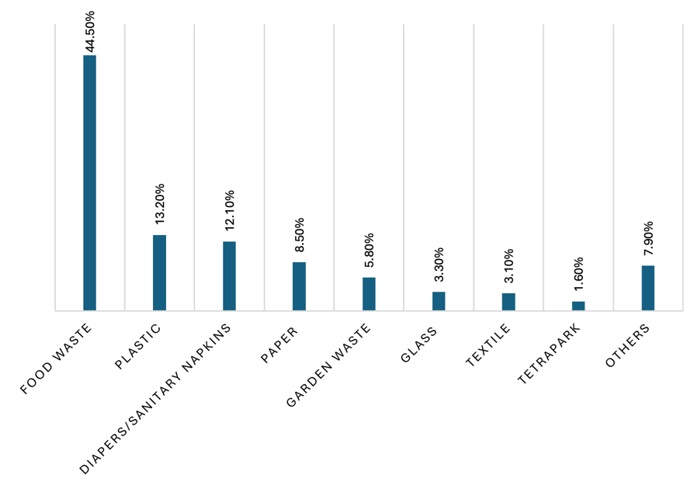
Figure 1: Solid waste composition in Malaysia
ENVIRONMENTAL IMPACT OF FOOD WASTE DISPOSAL
Food waste disposal's heavy reliance on landfills is a worldwide problem. Specifically, food waste's high moisture and organic matter content (over 80%) has a major effect on the waste's physical structure and microbial activity. These problems are exacerbated by Malaysia's humid, wet weather, which encourages the microbial breakdown of food waste (Figure 2). Furthermore, food waste decomposes both aerobically and anaerobically, releasing greenhouse gases into the environment, including carbon dioxide (CO2) and methane (CH4), which contribute to carbon emissions and water contamination. Climate change may result from the trapping of heat in the atmosphere by the rising amounts of greenhouse gases caused by these carbon emissions.
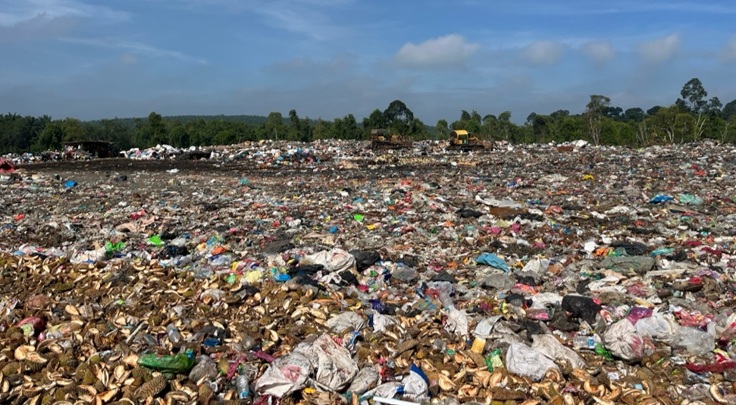
Figure 2: Food waste disposal at landfill
FOOD WASTE STRATEGIES
Thus, to reduce the landfill carbon emission, Malaysia must implement alternative food waste management strategies that align with sustainable practices. Here are some key approaches:
1. Reduce the food waste generation
Preventing food waste in the first place is the most efficient method of managing it. Planning meals in advance and only buying what they need can help consumers drastically cut down on food waste. Overspending and impulsive purchases frequently result in spoilt food that is thrown out. Additionally, knowing how to store different kinds of food correctly might help them last longer.
2. Food sharing
Another important strategy to reduce food waste is to share food. Due to overproduction or defects in appearance, a lot of stores, eateries, and homes discard food that is still edible. Sharing food helps combat hunger and cut down on waste. In Malaysia, programs such as Kecharie Soup Kitchen and the Food Aid Foundation gather extra food from grocery stores, hotels, and restaurants and re-distribute it to impoverished areas.
3. Composting: Turning Food Waste into Valuable Resources
Composting is an environmentally acceptable method of recycling organic material back into the environment when food waste cannot be avoided. Composting lowers greenhouse gas emissions, decreases the quantity of trash dumped in landfills, and aids in replenishing the soil with nutrients.
4. Anaerobic Digestion: Harnessing Energy from Food Waste
Anaerobic digestion is a process that degrades organic materials, including food waste, in the absence of oxygen. This technique generates biogas (methane and carbon dioxide), which can be used as a renewable energy source. The residual material, known as digestate, can be utilised as a natural fertiliser. This strategy not only keeps food waste out of landfills but also helps to minimise our reliance on fossil fuels.
5. Public Policy and Education: Encouraging Collective Action
Governments, corporations, and individuals must work together to address food waste on a national level. Reducing food waste and developing sustainable methods for handling excess food can be greatly aided by public policy.
CONCLUSION
In conclusion, since over 90% of food waste is easily recyclable and biodegradable, community involvement is essential to the efficient management of food waste. Nonetheless, there is an urgent need to educate Malaysians about food waste reduction and recycling. The management and treatment of home food waste remain a major challenge for local authorities, which makes attempts to lessen the effects on the environment even more difficult. In order to achieve the United Nations Sustainable Development Goal 12—which calls for halving food waste from the retail and consumer sectors by 2030—and promote a more sustainable future, Malaysia must increase public support and engagement.
