

Youth, Climate Action and Legal Pathway
INTRODUCTION
The world faces an immense environmental challenge at an unprecedented scale from climate change. Without swift action to reduce carbon emissions and to limit global warming to 1.5°C above pre-industrial levels, humans face an existential threat, according to the current Secretary-General of the United Nations. Today, there are alarming indicators of the climate crisis such as increasing global temperatures, more intense storms and droughts, floods as well as melting ice caps. These climate change impacts have affected physical and mental health of children and youth around the world (Sanson and Bellemo, 2021). For instance, floods and typhoons cause direct harm, including injuries, malnutrition, and infectious diseases, which may affect their mental health. Some young people even experience emotions such as anxiety, depression, frustration, and helplessness about how climate change affects their lives. Additionally, climate change intensifies conflicts that displaces millions of youths, disrupting their education and social networks, which can have long-lasting consequences (Sanson and Bellemo, 2021). Recognising the urgency of acting against climate change, all United Nations Member States included Sustainable Development Goal 13 (SDG 13) as one of the seventeen SDGs adopted in 2015 to mitigate and adapt to climate change.
The younger generations will bear the brunt of climate change in the future if the issue is not addressed today. However, young people have the power to change this bleak trajectory because they hold the potential to drive meaningful action on the climate change crisis. There are various ways for the youth to get involved in climate action and make a difference. For instance, they can start with personal actions like minimizing their carbon footprint through waste reduction, using renewable energy, and making eco-friendly choices in their daily lives. Organizing local programs such as tree-planting or cleanup initiatives in their residence area or workplaces can also connect young people with their communities. Such initiatives help to build society's capacity and increase awareness about climate action (Evans et al., 2016). Furthermore, youth can support campaigns to influence the government by advocating for policy change. This can strengthen the youth to fight against climate change. Policies that consider the youth’s opinions are more likely to succeed because they represent more inclusive and diverse perspectives (IPCC, 2022).
The younger generations will bear the brunt of climate change in the future if the issue is not addressed today. However, young people have the power to change this bleak trajectory because they hold the potential to drive meaningful action on the climate change crisis. There are various ways for the youth to get involved in climate action and make a difference. For instance, they can start with personal actions like minimizing their carbon footprint through waste reduction, using renewable energy, and making eco-friendly choices in their daily lives. Organizing local programs such as tree-planting or cleanup initiatives in their residence area or workplaces can also connect young people with their communities. Such initiatives help to build society's capacity and increase awareness about climate action (Evans et al., 2016). Furthermore, youth can support campaigns to influence the government by advocating for policy change. This can strengthen the youth to fight against climate change. Policies that consider the youth’s opinions are more likely to succeed because they represent more inclusive and diverse perspectives (IPCC, 2022).
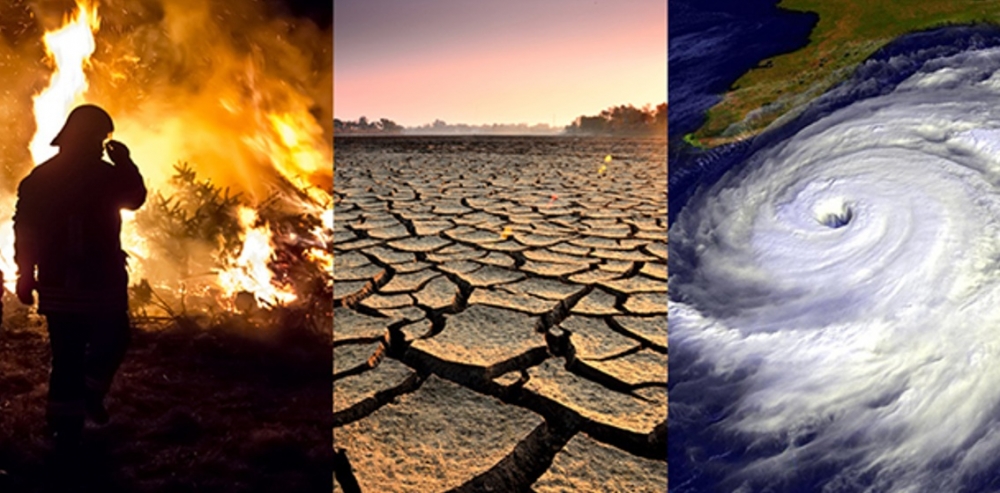
Impacts of Climate Change
Millions of youths worldwide have organized climate strikes like Greta Thunberg’s solo strike to call for stronger climate policies. These young people lead the charge in climate action by taking bold steps beyond everyday efforts. According to Corner et al. (2015), youth leaders often frame the climate crisis from morals and ethics points which can inspire intergenerational cooperation. In addition, the way they communicate frequently brings a sense of urgency for action that usually resonates with broader audiences. This may compel governments and industries to respond. This article discusses how legal action is emerging as a powerful tool for youth in this global fight.
CLIMATE ACTION THROUGH COURTS
Climate change is as much a legal issue as a scientific one. The 1992 United Nations Framework Convention on Climate Change (UNFCCC) has catalysed global climate action at various levels of governance to reduce global greenhouse gas (GHG) emissions and limit the increase in global average temperature to below 2°C above pre-industrial levels. While the UNFCCC requires member states to adopt policies, take climate mitigation measures, and report periodically, the Kyoto Protocol operationalizes the UNFCCC by imposing binding GHG emission reduction targets on industrialized countries under agreed individual targets. This effort was further extended by the Paris Agreement of 2015, which recognized that climate change is a shared problem. Therefore, the Paris Agreement commits both developed and developing nations to set emission reduction targets and report on their progress.
While most countries are members of these international agreements, any pledges made by them at the international level will not become binding on their citizens or industry players unless the countries adopt national legislation to transpose those international obligations. However, not all countries have done so. Therefore, more and more young people turn to the courts to demand climate action.
The Urgenda Foundation v. The State of the Netherlands case is a groundbreaking climate lawsuit that highlights how legal action can hold governments accountable for addressing climate change. Filed in 2013 by the Urgenda Foundation and nearly 900 Dutch citizens, it became the first case in which a court ordered a national government to reduce carbon emissions to protect human rights. The plaintiffs argued that the Dutch government's failure to take adequate climate action endangered citizens' rights to life and well-being by falling short of necessary emissions targets. The court held its historic ruling in 2015 that the government’s existing carbon dioxide emission reduction target was insufficient and ordered it to be increased to at least 25% by 2020 for the country to meet the global target to keep the average temperature within 2°C of pre-industrial levels. The decision was upheld by the Dutch Supreme Court in 2019 and the Court recognised that the Dutch Government's action was in breach of its duty of care under Article 2 of the European Convention on Human Rights (ECHR) which protects the right to life and Article 8 of ECHR that protects the right to private life, family life, home, and correspondence. The landmark case has inspired many people around the world to take similar measures to make the government and other parties accountable for their inaction towards climate change. This Urgenda case provided a crucial reference for the ensuing lawsuits by youth groups advocating climate action as they increasingly mobilize to ask for meaningful progress.
In 2015, the same year the Urgenda case's first judgment was issued, some 21 young Americans brought a lawsuit against the U.S. government. The Juliana v. United States shows the focal role of young people in the fight against climate change. The plaintiffs, some as young as eight years old when the case started, argued that the U.S. government breached their rights to life, liberty, and property enshrined under the country’s constitution by its continued support of the development of the fossil fuels sector. The young plaintiffs further contended that by doing so, the government was jeopardizing their future and well-being by knowingly contributing to global climate change. The Juliana case faces numerous legal and procedural setbacks. In the latest development in November 2024, the case was dismissed by a court (the Ninth Circuit) for lack of standing. The fact that the case has spanned over three U.S. presidential administrations signifies young people's resilience and determination. Accordingly, the Juliana case becomes a powerful symbol that inspires a new generation of climate advocates to demand accountability and justice.
On opposite sides of the Pacific Ocean, climate litigation has started to gain momentum in South Korea. In 2024, the year of the (likely) demise of the Juliana case, the country’s Constitutional Court delivered a landmark ruling. The Court ruled that some segments of the country’s Carbon Neutrality Act failed to protect the constitutional rights of South Koreans' future generations. This victory resulted from years of advocacy. The case was started in March 2020 by Youth4Climate Action, a group formed by teenage students in 2018. The original climate lawsuit was later consolidated with three other similar lawsuits. The consolidation brought together 255 plaintiffs of various ages, including infants and even a foetus. This shows the far-reaching impact climate policy may have on future generations. In a unanimous decision, the court ruled that the absence of binding reduction targets for 2031 to 2049 in the legislation was unconstitutional. It unfairly shifted the burden of climate change onto younger and future generations. As a result, the court ordered the government to amend the law to include long-term targets by the end of February 2026. As the first ruling of its kind in Asia, this case cements a powerful precedent and may inspire similar legal actions across the region.
While most countries are members of these international agreements, any pledges made by them at the international level will not become binding on their citizens or industry players unless the countries adopt national legislation to transpose those international obligations. However, not all countries have done so. Therefore, more and more young people turn to the courts to demand climate action.
The Urgenda Foundation v. The State of the Netherlands case is a groundbreaking climate lawsuit that highlights how legal action can hold governments accountable for addressing climate change. Filed in 2013 by the Urgenda Foundation and nearly 900 Dutch citizens, it became the first case in which a court ordered a national government to reduce carbon emissions to protect human rights. The plaintiffs argued that the Dutch government's failure to take adequate climate action endangered citizens' rights to life and well-being by falling short of necessary emissions targets. The court held its historic ruling in 2015 that the government’s existing carbon dioxide emission reduction target was insufficient and ordered it to be increased to at least 25% by 2020 for the country to meet the global target to keep the average temperature within 2°C of pre-industrial levels. The decision was upheld by the Dutch Supreme Court in 2019 and the Court recognised that the Dutch Government's action was in breach of its duty of care under Article 2 of the European Convention on Human Rights (ECHR) which protects the right to life and Article 8 of ECHR that protects the right to private life, family life, home, and correspondence. The landmark case has inspired many people around the world to take similar measures to make the government and other parties accountable for their inaction towards climate change. This Urgenda case provided a crucial reference for the ensuing lawsuits by youth groups advocating climate action as they increasingly mobilize to ask for meaningful progress.
In 2015, the same year the Urgenda case's first judgment was issued, some 21 young Americans brought a lawsuit against the U.S. government. The Juliana v. United States shows the focal role of young people in the fight against climate change. The plaintiffs, some as young as eight years old when the case started, argued that the U.S. government breached their rights to life, liberty, and property enshrined under the country’s constitution by its continued support of the development of the fossil fuels sector. The young plaintiffs further contended that by doing so, the government was jeopardizing their future and well-being by knowingly contributing to global climate change. The Juliana case faces numerous legal and procedural setbacks. In the latest development in November 2024, the case was dismissed by a court (the Ninth Circuit) for lack of standing. The fact that the case has spanned over three U.S. presidential administrations signifies young people's resilience and determination. Accordingly, the Juliana case becomes a powerful symbol that inspires a new generation of climate advocates to demand accountability and justice.
On opposite sides of the Pacific Ocean, climate litigation has started to gain momentum in South Korea. In 2024, the year of the (likely) demise of the Juliana case, the country’s Constitutional Court delivered a landmark ruling. The Court ruled that some segments of the country’s Carbon Neutrality Act failed to protect the constitutional rights of South Koreans' future generations. This victory resulted from years of advocacy. The case was started in March 2020 by Youth4Climate Action, a group formed by teenage students in 2018. The original climate lawsuit was later consolidated with three other similar lawsuits. The consolidation brought together 255 plaintiffs of various ages, including infants and even a foetus. This shows the far-reaching impact climate policy may have on future generations. In a unanimous decision, the court ruled that the absence of binding reduction targets for 2031 to 2049 in the legislation was unconstitutional. It unfairly shifted the burden of climate change onto younger and future generations. As a result, the court ordered the government to amend the law to include long-term targets by the end of February 2026. As the first ruling of its kind in Asia, this case cements a powerful precedent and may inspire similar legal actions across the region.
CONCLUSION
Young generations worldwide are beginning to realise the important role of law in pushing for more accountability in climate inaction by governments and companies alike. The three cases discussed earlier illustrate how youth are driving a global movement to take the legal pathway. Each case marks a significant milestone in youth-led climate activism in their respective countries. Better still, they are also shaping the climate dialogue including advocating for systemic change to protect both their rights and the planet. This growing movement has the potential to influence policy change.
In taking the legal course, some young leaders have leveraged national and international frameworks to push for meaningful government action. Their continuous efforts, which are echoed by other youth in different parts of the world, send a strong message to all stakeholders that addressing climate change is essential rather than optional. In essence, the youth are advancing Sustainable Development Goal 13 by mobilizing global awareness, driving policy change, and creating a more climate-resilient world that safeguards the rights of current and future generations.
In taking the legal course, some young leaders have leveraged national and international frameworks to push for meaningful government action. Their continuous efforts, which are echoed by other youth in different parts of the world, send a strong message to all stakeholders that addressing climate change is essential rather than optional. In essence, the youth are advancing Sustainable Development Goal 13 by mobilizing global awareness, driving policy change, and creating a more climate-resilient world that safeguards the rights of current and future generations.
REFERENCES
Corner, A., Roberts, O., Chiari, S., Völler, S., Mayrhuber, E. S., Mandl, S., & Monson, K. (2015). How do young people engage with climate change? The role of knowledge, values, message framing, and trusted communicators. Wiley Interdisciplinary Reviews: Climate Change, 6(5), 523-534. https://doi.org/10.1002/wcc.353
Intergovernmental Panel on Climate Change (IPCC). (2022). Climate Change 2022: Mitigation of Climate Change. Cambridge University Press. Retrieved from https://www.ipcc.ch
Evans, L., Maio, G. R., Corner, A., Hodgetts, C. J., Ahmed, S., & Hahn, U. (2016). Self-interest and pro-environmental behavior. Nature Climate Change, 3(2), 122-125. https://doi.org/10.1038/nclimate1662
Sanson, A. and Bellemo, M. (2021). Children and youth in the climate crisis. BJPsych Bulletin 45, pp. 205–209. doi:10.1192/bjb.2021.16.
Intergovernmental Panel on Climate Change (IPCC). (2022). Climate Change 2022: Mitigation of Climate Change. Cambridge University Press. Retrieved from https://www.ipcc.ch
Evans, L., Maio, G. R., Corner, A., Hodgetts, C. J., Ahmed, S., & Hahn, U. (2016). Self-interest and pro-environmental behavior. Nature Climate Change, 3(2), 122-125. https://doi.org/10.1038/nclimate1662
Sanson, A. and Bellemo, M. (2021). Children and youth in the climate crisis. BJPsych Bulletin 45, pp. 205–209. doi:10.1192/bjb.2021.16.
