Where Do We Go From Here? Balancing Resource Protection and Outdoor Recreation
INTRODUCTION
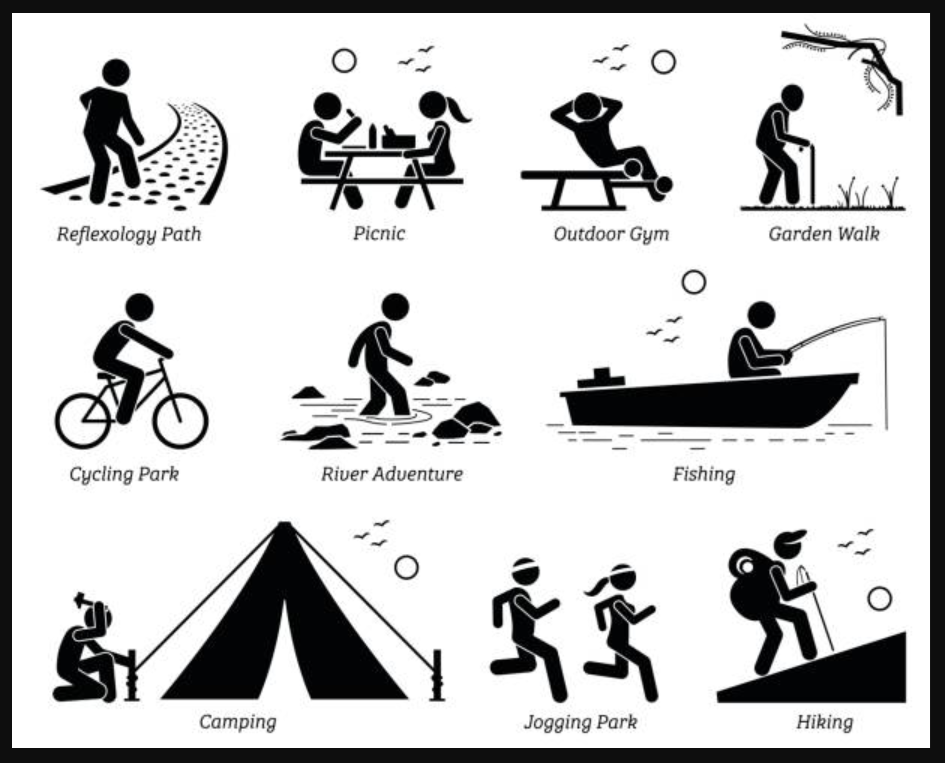
In recent years, Malaysians have increasingly embraced outdoor recreation, prioritizing experiences over material possessions. While beneficial for personal well-being, this shift presents challenges for forest conservation. Striking a balance between resource protection and the rising demand for outdoor activities is now a critical task.
Malaysia’s forests, renowned for their natural beauty, offer numerous ecosystem services, including recreational opportunities. For many, forests provide an escape from daily routines, a chance for self-reflection, and an opportunity to connect with nature. Increased exposure to forests fosters appreciation and promotes conservation efforts, as reflected in the saying, “Tak kenal maka tak cinta.” However, the growing interest in outdoor activities has led to significant environmental impacts, especially near urban areas, including soil erosion, vegetation loss, littering, and vandalism. These effects threaten biodiversity, diminish aesthetic value, and raise safety concerns.
THE RISING OF OUTDOOR RECREATION
The rise in outdoor recreation aligns with shifting household spending patterns. Reports from Khazanah Research Institute and Fitch Solutions reveal that recreation and cultural activities are among the fastest-growing expenditure categories, particularly among Malaysia's urban population, which constitutes over 70% of the country. This highlights the importance of well-managed recreational resources.
Efforts to advance the outdoor recreation and ecotourism industry have gained momentum. Policies such as the National Ecotourism Plan and the National Forest Policy 2021 emphasize risk assessment, safety, and visitor satisfaction. Investments in state park corporations and initiatives like standardized camping procedures and forest guides demonstrate progress. However, more robust strategies are needed to address environmental and logistical challenges. Here are four key areas for improvement:
1. Visitor Use Management Systems
A comprehensive visitor use management system balances visitor needs and forest protection. This includes assessing carrying capacities, developing infrastructure, educating visitors, and monitoring environmental impacts. Proper zoning systems, such as the Recreation Opportunity Spectrum (ROS) used in countries like the U.S. and Australia, can help authorities designate areas based on environmental sensitivity and recreational suitability. Such systems prevent overcrowding, reduce visitor conflicts, and facilitate effective rule enforcement. Zoning also supports carrying capacity frameworks, ensuring recreational impacts remain within acceptable limits. Models like the Limit of Acceptable Change and Visitor Experience Resource Protection highlight zoning as a cornerstone of sustainable resource management.
2. Recreation Impact Monitoring
Effective monitoring is vital to minimize environmental degradation caused by recreational activities. Current measures, such as trail closures during monsoon seasons, permits, and "hardening" trails with durable materials, are helpful but insufficient. Advanced monitoring methods can identify factors like trail slope alignment and grade significantly affecting environmental impacts. Data-driven monitoring ensures recreational activities remain sustainable while preserving ecosystems and visitor safety. Impact monitoring also provides valuable insights for infrastructure planning, waste management, and conservation strategies. It fosters collaboration among stakeholders, enhancing awareness and compliance with conservation goals.
3. Leveraging Big Data
Big data can revolutionize recreation management by providing insights into visitor trends and preferences. A digitalized booking system for permits and entry fees, already implemented in some states, should be enhanced to optimize visitor distribution and prevent overcrowding. Integrated systems can track visitor patterns, inform resource allocation, and enforce compliance. This data-driven approach supports strategic planning, balancing public enjoyment and environmental conservation.
4. Integrated Trail Management Systems
Hiking has gained immense popularity in Malaysia, and it is supported by technology like GPS apps and social media. However, safety and environmental concerns necessitate an integrated trail management system. Countries like the U.S. and New Zealand have set benchmarks with clear signage, well-maintained trails, and inclusive infrastructure for diverse user groups. Such systems enhance visitor experiences and boost local economies by promoting tourism and supporting businesses. Malaysia’s trail networks can benefit from similar comprehensive planning to ensure sustainability and accessibility.
ENVISIONING A BALANCED FUTURE
Imagine a forest like the Selangor Royal Heritage Forest, which serves over 7 million residents and is managed with a robust visitor use system. Visitors could access diverse recreational experiences—from family outings to rugged mountain adventures—tailored to conservation needs. An integrated booking system would allocate permits, regulate visitor flow, and generate valuable data for informed decision-making. Well-maintained trails with clear signage and regular monitoring would ensure safety and sustainability. Such a system would enhance public enjoyment and uphold Malaysia's commitment to environmental stewardship. By leveraging technology and proactive conservation strategies, Malaysia’s forests can be preserved for future generations while meeting today’s recreational demands.
CONCLUSION
Malaysia's forests are vital to the nation's cultural, ecological, and recreational identity. As outdoor activities become increasingly integral to Malaysian lifestyles, balancing public access and environmental protection is crucial. Strategies like visitor management systems, impact monitoring, considerable data utilization, and integrated trail management provide actionable solutions. Collaborative efforts among policymakers, conservationists, and the public will ensure that Malaysia’s natural treasures remain accessible and protected, fostering appreciation and sustainability for years.
In recent years, Malaysians have increasingly embraced outdoor recreation, prioritizing experiences over material possessions. While beneficial for personal well-being, this shift presents challenges for forest conservation. Striking a balance between resource protection and the rising demand for outdoor activities is now a critical task.
Malaysia’s forests, renowned for their natural beauty, offer numerous ecosystem services, including recreational opportunities. For many, forests provide an escape from daily routines, a chance for self-reflection, and an opportunity to connect with nature. Increased exposure to forests fosters appreciation and promotes conservation efforts, as reflected in the saying, “Tak kenal maka tak cinta.” However, the growing interest in outdoor activities has led to significant environmental impacts, especially near urban areas, including soil erosion, vegetation loss, littering, and vandalism. These effects threaten biodiversity, diminish aesthetic value, and raise safety concerns.
THE RISING OF OUTDOOR RECREATION
The rise in outdoor recreation aligns with shifting household spending patterns. Reports from Khazanah Research Institute and Fitch Solutions reveal that recreation and cultural activities are among the fastest-growing expenditure categories, particularly among Malaysia's urban population, which constitutes over 70% of the country. This highlights the importance of well-managed recreational resources.
Efforts to advance the outdoor recreation and ecotourism industry have gained momentum. Policies such as the National Ecotourism Plan and the National Forest Policy 2021 emphasize risk assessment, safety, and visitor satisfaction. Investments in state park corporations and initiatives like standardized camping procedures and forest guides demonstrate progress. However, more robust strategies are needed to address environmental and logistical challenges. Here are four key areas for improvement:
1. Visitor Use Management Systems
A comprehensive visitor use management system balances visitor needs and forest protection. This includes assessing carrying capacities, developing infrastructure, educating visitors, and monitoring environmental impacts. Proper zoning systems, such as the Recreation Opportunity Spectrum (ROS) used in countries like the U.S. and Australia, can help authorities designate areas based on environmental sensitivity and recreational suitability. Such systems prevent overcrowding, reduce visitor conflicts, and facilitate effective rule enforcement. Zoning also supports carrying capacity frameworks, ensuring recreational impacts remain within acceptable limits. Models like the Limit of Acceptable Change and Visitor Experience Resource Protection highlight zoning as a cornerstone of sustainable resource management.
2. Recreation Impact Monitoring
Effective monitoring is vital to minimize environmental degradation caused by recreational activities. Current measures, such as trail closures during monsoon seasons, permits, and "hardening" trails with durable materials, are helpful but insufficient. Advanced monitoring methods can identify factors like trail slope alignment and grade significantly affecting environmental impacts. Data-driven monitoring ensures recreational activities remain sustainable while preserving ecosystems and visitor safety. Impact monitoring also provides valuable insights for infrastructure planning, waste management, and conservation strategies. It fosters collaboration among stakeholders, enhancing awareness and compliance with conservation goals.
3. Leveraging Big Data
Big data can revolutionize recreation management by providing insights into visitor trends and preferences. A digitalized booking system for permits and entry fees, already implemented in some states, should be enhanced to optimize visitor distribution and prevent overcrowding. Integrated systems can track visitor patterns, inform resource allocation, and enforce compliance. This data-driven approach supports strategic planning, balancing public enjoyment and environmental conservation.
4. Integrated Trail Management Systems
Hiking has gained immense popularity in Malaysia, and it is supported by technology like GPS apps and social media. However, safety and environmental concerns necessitate an integrated trail management system. Countries like the U.S. and New Zealand have set benchmarks with clear signage, well-maintained trails, and inclusive infrastructure for diverse user groups. Such systems enhance visitor experiences and boost local economies by promoting tourism and supporting businesses. Malaysia’s trail networks can benefit from similar comprehensive planning to ensure sustainability and accessibility.
ENVISIONING A BALANCED FUTURE
Imagine a forest like the Selangor Royal Heritage Forest, which serves over 7 million residents and is managed with a robust visitor use system. Visitors could access diverse recreational experiences—from family outings to rugged mountain adventures—tailored to conservation needs. An integrated booking system would allocate permits, regulate visitor flow, and generate valuable data for informed decision-making. Well-maintained trails with clear signage and regular monitoring would ensure safety and sustainability. Such a system would enhance public enjoyment and uphold Malaysia's commitment to environmental stewardship. By leveraging technology and proactive conservation strategies, Malaysia’s forests can be preserved for future generations while meeting today’s recreational demands.
CONCLUSION
Malaysia's forests are vital to the nation's cultural, ecological, and recreational identity. As outdoor activities become increasingly integral to Malaysian lifestyles, balancing public access and environmental protection is crucial. Strategies like visitor management systems, impact monitoring, considerable data utilization, and integrated trail management provide actionable solutions. Collaborative efforts among policymakers, conservationists, and the public will ensure that Malaysia’s natural treasures remain accessible and protected, fostering appreciation and sustainability for years.