

Environmental, Social and Governance (ESG) Perspective in Malaysia
INTRODUCTION
In recent years, the concept of the Blue Economy—defined as the sustainable management of marine resources to foster economic growth, enhance livelihoods, and support the health of aquatic ecosystems—has gained significant global attention. With its extensive coastline and rich marine biodiversity, Malaysia is dedicated to integrating environmental, social, and governance (ESG) principles into its Blue Economy strategy.
Currently, 40% of the world's population resides in coastal areas, which rises to 77% in ASEAN. Over 3 billion people globally rely on the oceans for their livelihoods, and a staggering 80% of world trade is conducted via maritime routes. Positioned within the dynamic ASEAN region, Malaysia's upcoming chairmanship of ASEAN in 2025 is a significant milestone as the community celebrates its 10th anniversary and presents new opportunities for enhancing regional cooperation. This leadership role enables Malaysia to strengthen partnerships to promote sustainable economic development regionally and internationally.
THE IMPORTANCE OF ESG IN A SUSTAINABLE MARINE ECONOMY
The study of sustainable marine economies within the ESG (Environmental, Social, and Governance) framework is significant because it balances economic development with environmental protection and social responsibility. This approach emphasizes the responsible management of marine resources, ensuring that fishing, tourism, and shipping do not deplete or harm marine ecosystems. By adopting sustainable practices, industry can address issues like overfishing and pollution, thereby protecting biodiversity and maintaining the marine environment's overall health. Additionally, this framework encourages innovation and the adoption of green technologies, driving economic growth while protecting marine ecosystems. Moreover, the ESG framework highlights the importance of social equity by actively involving local communities in decision-making processes, which enhances their livelihoods and fosters a sense of stewardship over natural resources. On a global scale, a sustainable ocean economy fosters international cooperation to tackle pressing challenges such as climate change and marine governance, facilitating the exchange of best practices.
Strategies for Advancing Sustainable Development in Malaysia's Blue Economy
1. Collaborative Sustainable Fisheries Management
Joint Catch Quotas: ASEAN nations can establish harmonized catch quotas and seasonal fishing bans to protect fish populations across borders, ensuring mutual benefits and sustainability.
Shared Monitoring Systems: Implementing regional monitoring frameworks using advanced technologies (Like UAV) will help combat illegal fishing and ensure compliance with sustainable practices.
In recent years, the concept of the Blue Economy—defined as the sustainable management of marine resources to foster economic growth, enhance livelihoods, and support the health of aquatic ecosystems—has gained significant global attention. With its extensive coastline and rich marine biodiversity, Malaysia is dedicated to integrating environmental, social, and governance (ESG) principles into its Blue Economy strategy.
Currently, 40% of the world's population resides in coastal areas, which rises to 77% in ASEAN. Over 3 billion people globally rely on the oceans for their livelihoods, and a staggering 80% of world trade is conducted via maritime routes. Positioned within the dynamic ASEAN region, Malaysia's upcoming chairmanship of ASEAN in 2025 is a significant milestone as the community celebrates its 10th anniversary and presents new opportunities for enhancing regional cooperation. This leadership role enables Malaysia to strengthen partnerships to promote sustainable economic development regionally and internationally.
THE IMPORTANCE OF ESG IN A SUSTAINABLE MARINE ECONOMY
The study of sustainable marine economies within the ESG (Environmental, Social, and Governance) framework is significant because it balances economic development with environmental protection and social responsibility. This approach emphasizes the responsible management of marine resources, ensuring that fishing, tourism, and shipping do not deplete or harm marine ecosystems. By adopting sustainable practices, industry can address issues like overfishing and pollution, thereby protecting biodiversity and maintaining the marine environment's overall health. Additionally, this framework encourages innovation and the adoption of green technologies, driving economic growth while protecting marine ecosystems. Moreover, the ESG framework highlights the importance of social equity by actively involving local communities in decision-making processes, which enhances their livelihoods and fosters a sense of stewardship over natural resources. On a global scale, a sustainable ocean economy fosters international cooperation to tackle pressing challenges such as climate change and marine governance, facilitating the exchange of best practices.
Strategies for Advancing Sustainable Development in Malaysia's Blue Economy
1. Collaborative Sustainable Fisheries Management
Joint Catch Quotas: ASEAN nations can establish harmonized catch quotas and seasonal fishing bans to protect fish populations across borders, ensuring mutual benefits and sustainability.
Shared Monitoring Systems: Implementing regional monitoring frameworks using advanced technologies (Like UAV) will help combat illegal fishing and ensure compliance with sustainable practices.
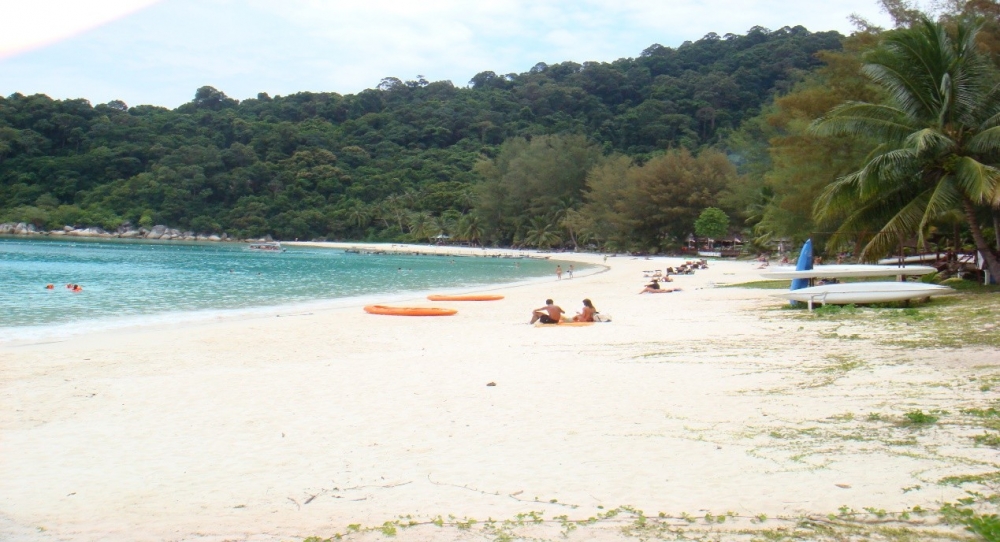
. One of the popular tourist spots in Perhentian Island
2. Regional Marine Biodiversity Conservation
Cross-border Marine Protected Areas (MPAs): Creating MPAs that span multiple countries can protect critical habitats and species while fostering regional collaboration. Enhancing biodiversity, and supporting ecosystem services that benefit local communities and economies.
Joint Biodiversity Research: Conducting collaborative scientific research initiatives to monitor marine biodiversity, sharing data and expertise among ASEAN states to enhance conservation efforts.
3. Regional Research and Innovation Initiatives
Joint Research and Technology Transfer: Launch collaborative research projects on marine technologies and sustainable practices among ASEAN countries, while establishing technology transfer programs to facilitate access to advanced Chinese technologies. This aims to enhance efficiency in marine industries and address challenges in marine resource management and sustainability.
Green Marine Technologies and Technological Advancements: Under the Belt and Road Initiative, Malaysia will adopt advanced Chinese fishing engineering technologies to enhance marine ranching and aquaculture sustainability. Additionally, it will invest in innovative technologies to promote eco-friendly shipping practices and renewable energy use, minimizing the environmental impact of marine industries and fostering sustainable growth.
4. Enhanced Ocean Governance Framework
Unified Policy Development and Community Engagement: ASEAN members should collaboratively establish a cohesive policy framework aligned with sustainable development goals, integrating best practices from all member states. Strengthening inter-governmental coordination will streamline marine resource management while empowering local communities through training and resources promoting sustainable livelihoods such as eco-tourism and responsible fishing. Incorporating traditional knowledge into decision-making processes will enhance sustainability and community resilience.
Integrated Stakeholder Involvement: It is crucial to involve various stakeholders, including non-governmental organizations, private sector partners, and academic institutions like the Faculty of Environmental Studies at Universiti Putra Malaysia (UPM). UPM can contribute research and innovative solutions to marine management, facilitate partnerships with local communities, and lead capacity-building initiatives. And fostering a resilient and sustainable marine environment for future generations.
5. Ecosystem Restoration and Blue Carbon Initiatives.
Regional Vulnerability Assessment and Restoration Projects: South-East Asia is recognized as a significant provider of blue carbon. However, it faces substantial challenges due to the considerable depletion of resources caused by human activities, particularly unsustainable fishing practices. While blue carbon is a relatively new concept, attention has historically focused on forest carbon sinks. However, organizations like the International Carbon Institute are actively promoting the integration of blue carbon ecosystems into national development strategies. In Malaysia, efforts are underway to conduct regional vulnerability assessments and collaborate on projects to restore critical ecosystems such as mangroves and seagrasses, enhancing blue carbon sequestration and bolstering climate resilience.
Commitment to Global Climate Goals: Globally, 71 countries possess rich blue carbon ecosystems, yet only about half have incorporated these nature-based solutions into their Nationally Determined Contributions (NDCs). Malaysia's NDCs align with international climate initiatives, including the Paris Agreement, emphasizing sustainable marine resource management and the significance of blue carbon. Furthermore, Malaysia's partnerships with global organizations like the United Nations Development Programme (UNDP) and the Food and Agriculture Organization (FAO) have significantly strengthened its capacity to address these challenges.
CONCLUSION
In conclusion, Malaysia's initiatives to integrate ESG principles into the blue economy are crucial for achieving sustainable marine economic and climate goals. Establishing Marine Protected Areas (MPAs) and empowering local communities will promote sustainable livelihoods, such as eco-tourism and responsible fishing. Furthermore, by enhancing sustainability awareness and fostering regional cooperation with ASEAN countries, Malaysia is working to develop the best sustainable practices to strengthen regional and global partnerships. This includes attracting investment through initiatives like the Belt and Road Initiative, leveraging technology, and collaborating with higher education institutions(like UPM) to bolster its marine economy. Through these actions, Malaysia's commitment to a sustainable blue economy reflects a proactive approach to environmental challenges and economic growth, contributing to global efforts in addressing climate change and advancing sustainable blue economic development in the future.
REFERENCES
Academy of Sciences Malaysia (2022), Position Paper on Blue Economy: Unlocking the Value of the Oceans. Kuala Lumpur: Academy of Sciences Malaysia.
PEMSEA (2021), Regional State of Ocean and Coasts2021: The East Asian Seas Region – Blue Economy: Where are We Now? Where are We Heading? Volume 1. Manila: Partnerships in Environmental Management for the Seas of East Asia.
PEMSEA. 2023. SDS-SEA Implementation Plan 2023-2027. Partnerships in Environmental Management for the Seas of East Asia (PEMSEA), Quezon City, Philippines.
Cross-border Marine Protected Areas (MPAs): Creating MPAs that span multiple countries can protect critical habitats and species while fostering regional collaboration. Enhancing biodiversity, and supporting ecosystem services that benefit local communities and economies.
Joint Biodiversity Research: Conducting collaborative scientific research initiatives to monitor marine biodiversity, sharing data and expertise among ASEAN states to enhance conservation efforts.
3. Regional Research and Innovation Initiatives
Joint Research and Technology Transfer: Launch collaborative research projects on marine technologies and sustainable practices among ASEAN countries, while establishing technology transfer programs to facilitate access to advanced Chinese technologies. This aims to enhance efficiency in marine industries and address challenges in marine resource management and sustainability.
Green Marine Technologies and Technological Advancements: Under the Belt and Road Initiative, Malaysia will adopt advanced Chinese fishing engineering technologies to enhance marine ranching and aquaculture sustainability. Additionally, it will invest in innovative technologies to promote eco-friendly shipping practices and renewable energy use, minimizing the environmental impact of marine industries and fostering sustainable growth.
4. Enhanced Ocean Governance Framework
Unified Policy Development and Community Engagement: ASEAN members should collaboratively establish a cohesive policy framework aligned with sustainable development goals, integrating best practices from all member states. Strengthening inter-governmental coordination will streamline marine resource management while empowering local communities through training and resources promoting sustainable livelihoods such as eco-tourism and responsible fishing. Incorporating traditional knowledge into decision-making processes will enhance sustainability and community resilience.
Integrated Stakeholder Involvement: It is crucial to involve various stakeholders, including non-governmental organizations, private sector partners, and academic institutions like the Faculty of Environmental Studies at Universiti Putra Malaysia (UPM). UPM can contribute research and innovative solutions to marine management, facilitate partnerships with local communities, and lead capacity-building initiatives. And fostering a resilient and sustainable marine environment for future generations.
5. Ecosystem Restoration and Blue Carbon Initiatives.
Regional Vulnerability Assessment and Restoration Projects: South-East Asia is recognized as a significant provider of blue carbon. However, it faces substantial challenges due to the considerable depletion of resources caused by human activities, particularly unsustainable fishing practices. While blue carbon is a relatively new concept, attention has historically focused on forest carbon sinks. However, organizations like the International Carbon Institute are actively promoting the integration of blue carbon ecosystems into national development strategies. In Malaysia, efforts are underway to conduct regional vulnerability assessments and collaborate on projects to restore critical ecosystems such as mangroves and seagrasses, enhancing blue carbon sequestration and bolstering climate resilience.
Commitment to Global Climate Goals: Globally, 71 countries possess rich blue carbon ecosystems, yet only about half have incorporated these nature-based solutions into their Nationally Determined Contributions (NDCs). Malaysia's NDCs align with international climate initiatives, including the Paris Agreement, emphasizing sustainable marine resource management and the significance of blue carbon. Furthermore, Malaysia's partnerships with global organizations like the United Nations Development Programme (UNDP) and the Food and Agriculture Organization (FAO) have significantly strengthened its capacity to address these challenges.
CONCLUSION
In conclusion, Malaysia's initiatives to integrate ESG principles into the blue economy are crucial for achieving sustainable marine economic and climate goals. Establishing Marine Protected Areas (MPAs) and empowering local communities will promote sustainable livelihoods, such as eco-tourism and responsible fishing. Furthermore, by enhancing sustainability awareness and fostering regional cooperation with ASEAN countries, Malaysia is working to develop the best sustainable practices to strengthen regional and global partnerships. This includes attracting investment through initiatives like the Belt and Road Initiative, leveraging technology, and collaborating with higher education institutions(like UPM) to bolster its marine economy. Through these actions, Malaysia's commitment to a sustainable blue economy reflects a proactive approach to environmental challenges and economic growth, contributing to global efforts in addressing climate change and advancing sustainable blue economic development in the future.
REFERENCES
Academy of Sciences Malaysia (2022), Position Paper on Blue Economy: Unlocking the Value of the Oceans. Kuala Lumpur: Academy of Sciences Malaysia.
PEMSEA (2021), Regional State of Ocean and Coasts2021: The East Asian Seas Region – Blue Economy: Where are We Now? Where are We Heading? Volume 1. Manila: Partnerships in Environmental Management for the Seas of East Asia.
PEMSEA. 2023. SDS-SEA Implementation Plan 2023-2027. Partnerships in Environmental Management for the Seas of East Asia (PEMSEA), Quezon City, Philippines.
